A reception checklist runs from small paper items like thank you notes and a seating chart display to the budget line that can sink the whole night, and the list below covers both ends.
How much weight each task gets depends on how many vendors you have: the more teams working in one room, the more the vendor timeline matters, and that one should reach everyone 2–3 weeks before the wedding.
Couples with a short vendor list can spend that attention on decor and centerpieces and the cake cutting instead of chasing people.
1. Decor & Centerpieces
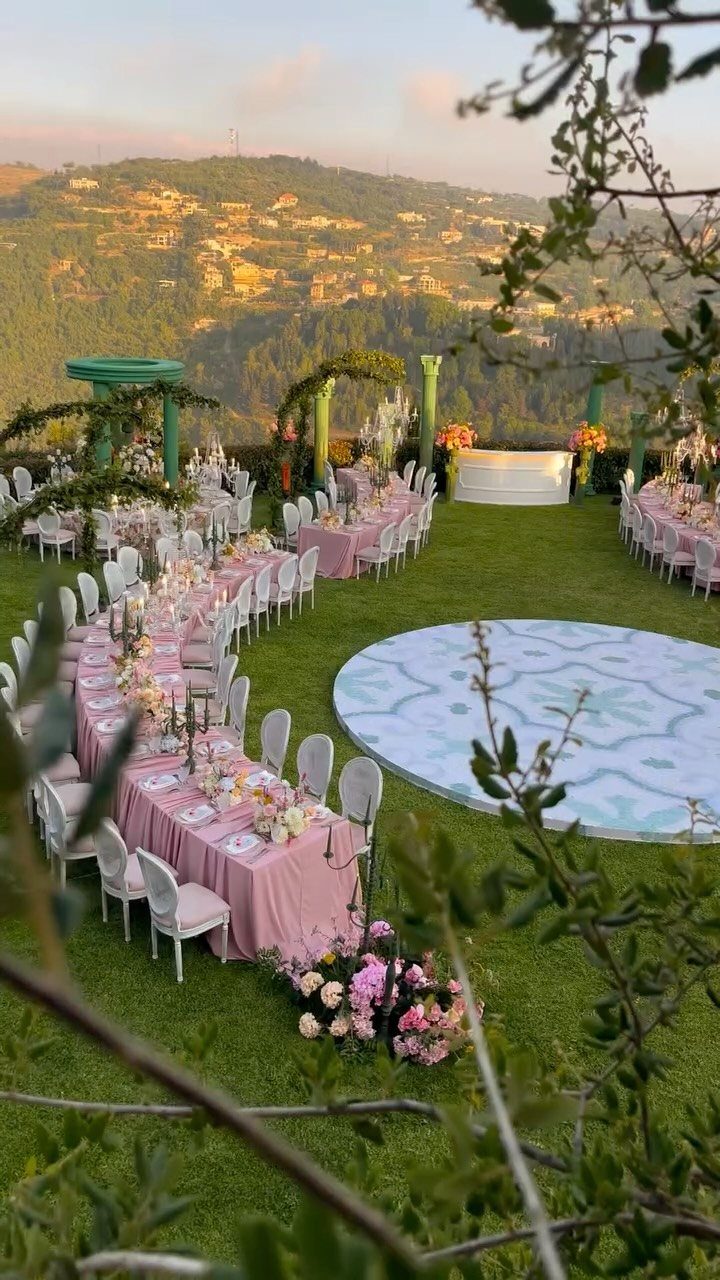
Decor works best as a short list you can check off by zone: tables, dance floor, ceremony-to-reception transitions.
Pick one color and repeat it, as pink linens do against white chairs, so a handful of centerpieces reads as a plan rather than clutter.
Start with the table count, then assign each table one centerpiece.
Confirm who sets everything up and who clears it at the end, since that is the item couples forget. Anything that looks good from a distance, like the dance floor, deserves a line of its own.
2. Thank You Notes
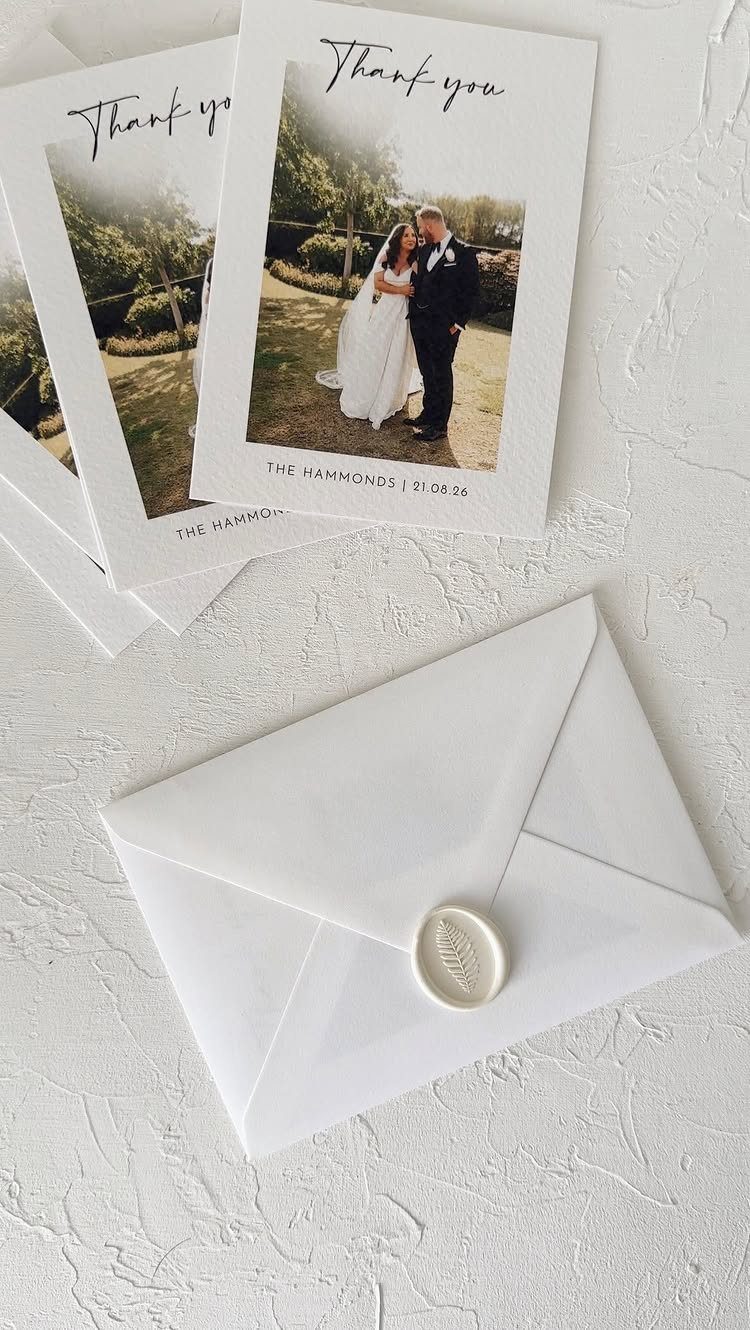
Thank you notes belong on the checklist as a post-wedding task, and I would put a date on it before the wedding happens.
Order the cards with the rest of your stationery, and a photo of the two of you with your names and wedding date makes the card feel finished.
Keep a running gift log from the first shower.
Write to guests and vendors alike, and add one line about the specific gift or service. Split the pile between you, a few each evening.
Junebug Tip: You can also include QR wedding album table cards to invite your guests to join a shared photo album!
3. Seating Chart Display
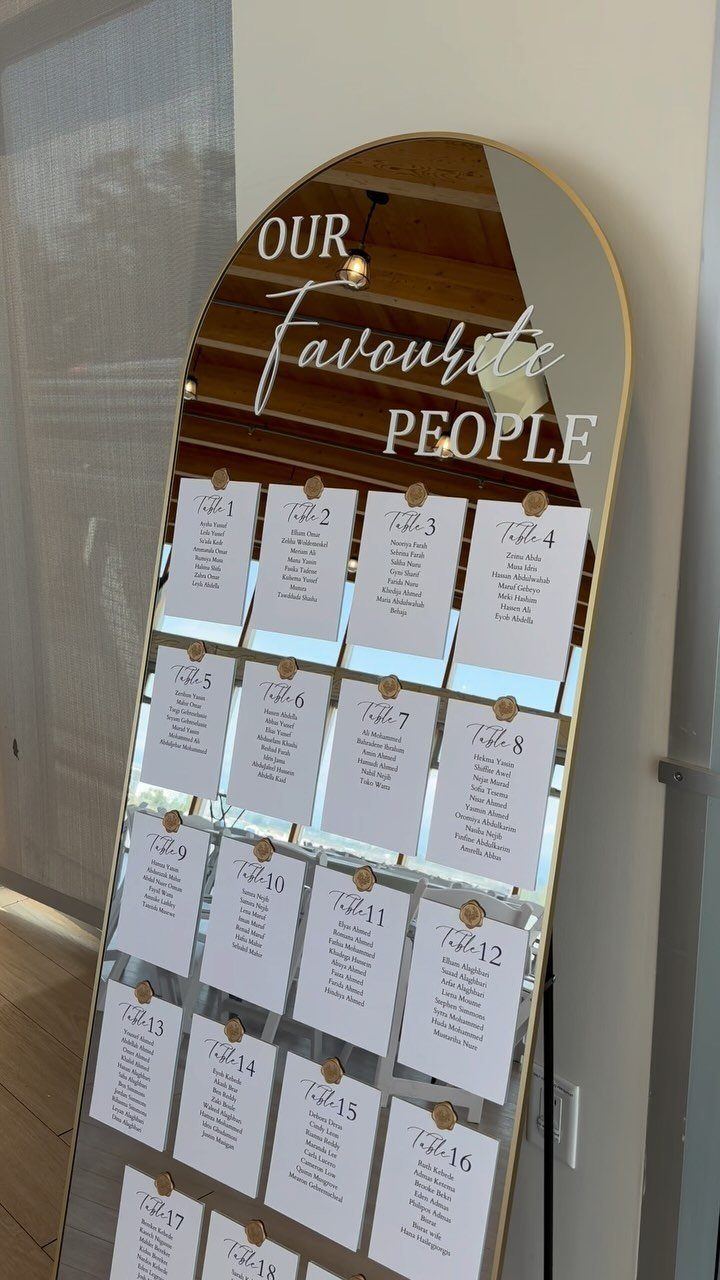
Guests need to find their table in seconds, so a seating display should be readable from several steps back.
Number each table and list names under it, in clean script or print, grouped so nobody hunts through a wall of text.
A mirror makes a lovely surface, but any large, stable board works.
Proof every name for spelling before printing, and set the display where guests enter, not beside the bar. If the layout is still changing, finalize the chart last.
4. Cake Cutting
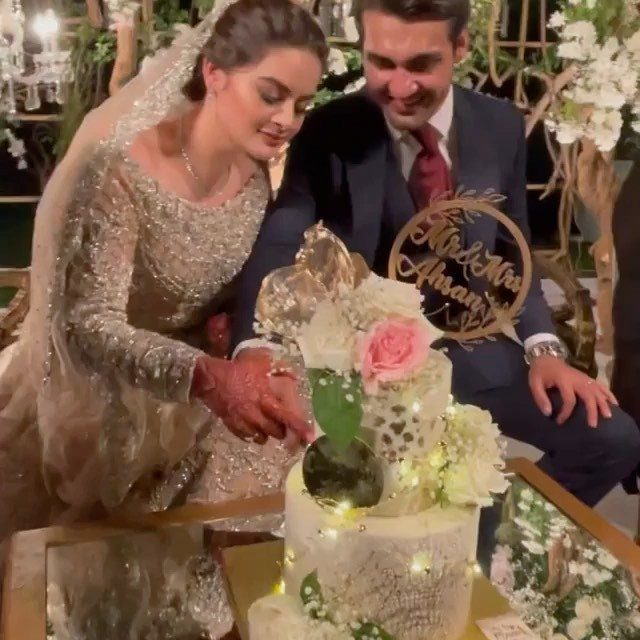
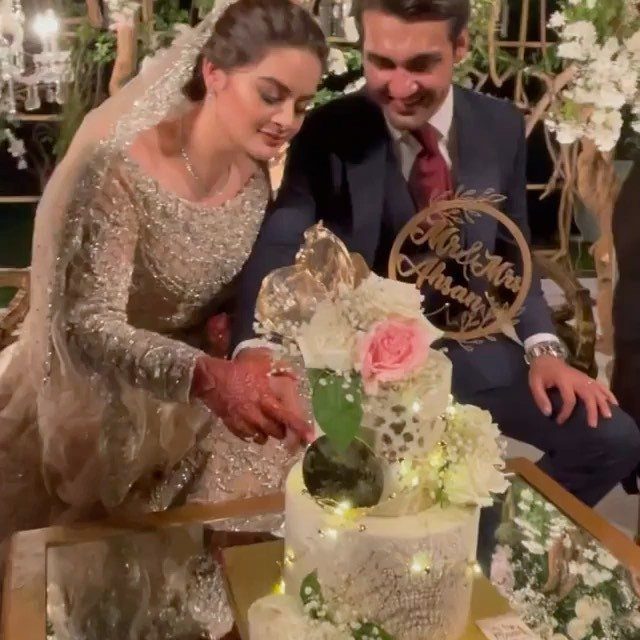
Cake cutting is the one reception moment everyone stops to watch, so put it on the schedule rather than leaving it to chance.
Tell the photographer and DJ the time, and set a cake knife and server on the table beforehand.
Decide who plates and serves the slices afterward, since the couple will be busy.
Fresh flowers on the tiers should be placed by your florist or baker so nothing inedible lands on a guest’s plate. Evening light is lovely, but check that the cake table is lit.
Budgeting for the Reception
Take the number you can spend on the whole wedding without losing sleep, and plan on 40–50% of it going to the reception.
That share covers the biggest line items: venue and catering, entertainment, décor and florals, and photography and videography.
Hidden costs are where budgets slip.
Ask every vendor for an all-inclusive quote, and build your numbers from that figure rather than the base price.
Hold off on buying décor and accessories until the two of you agree on which details you’d actually miss if they were gone. Some couples put money into keepsakes they will use after the wedding.
Others spend on guest comfort, entertainment, and interactive touches. Pick one direction and let the other get the leftovers.
Vendor Coordination
Your finished timeline should reach every vendor 2–3 weeks before the wedding. Include a setup and breakdown window for each one, so nobody is guessing when they can get into the room.
A photographer needs exact times for the big moments, any lighting preferences you have, and a short list of shots you refuse to skip. The schedule you hand over is what shapes where they stand and when.
Caterers work from your clock, so tell them when cocktail hour wraps, when dinner should hit the tables, and how much room speeches can take. A late dinner means hungry, restless guests and less time to dance.
Live entertainment needs setup time between the ceremony and reception, along with timing for special dances and announcements. Ask your venue about room flips, lighting changes, and noise restrictions, since several teams may be working at once.
A week out, call each vendor to confirm.
Frequently Asked Questions
What are the key things to include in a wedding detail list?
Cover venue, guest list, catering, decor, and a timeline first.
Then add the small items couples forget: who sets up and clears decor, a seating display, a cake-cutting time, vendor setup windows, and a dated plan for thank you notes. Those little tasks are what trip up the final weeks.
How to decorate a table for a wedding?
Give each table one centerpiece, then dress it with accent pieces like tall or short vases, vintage bottles, or candles and lanterns.
Choose a single color and let it recur, say blush napkins and florals against plain white chairs, and the room looks designed instead of piled up. Count your tables first so every one gets the same treatment.
What is the typical order for a wedding reception?
A common flow is cocktail hour, then dinner, then dancing. One timeline gives cocktail hour about 60 minutes, dinner about 90 minutes, and 3–4 hours for dancing, with the first dance and cake cutting placed inside that stretch.
Share the schedule with your photographer, DJ, and caterer so each knows when their moment arrives.
When should vendors get the wedding timeline?
Aim to get the final timeline into every vendor’s hands 2–3 weeks out, early enough for questions and late enough that nothing has shifted.
Give each vendor their own load-in and tear-down times on it, so the florist and the DJ are not left guessing when the doors open.
A quick phone call to each vendor about 7 days before the date confirms they have the plan and the arrival time right.





