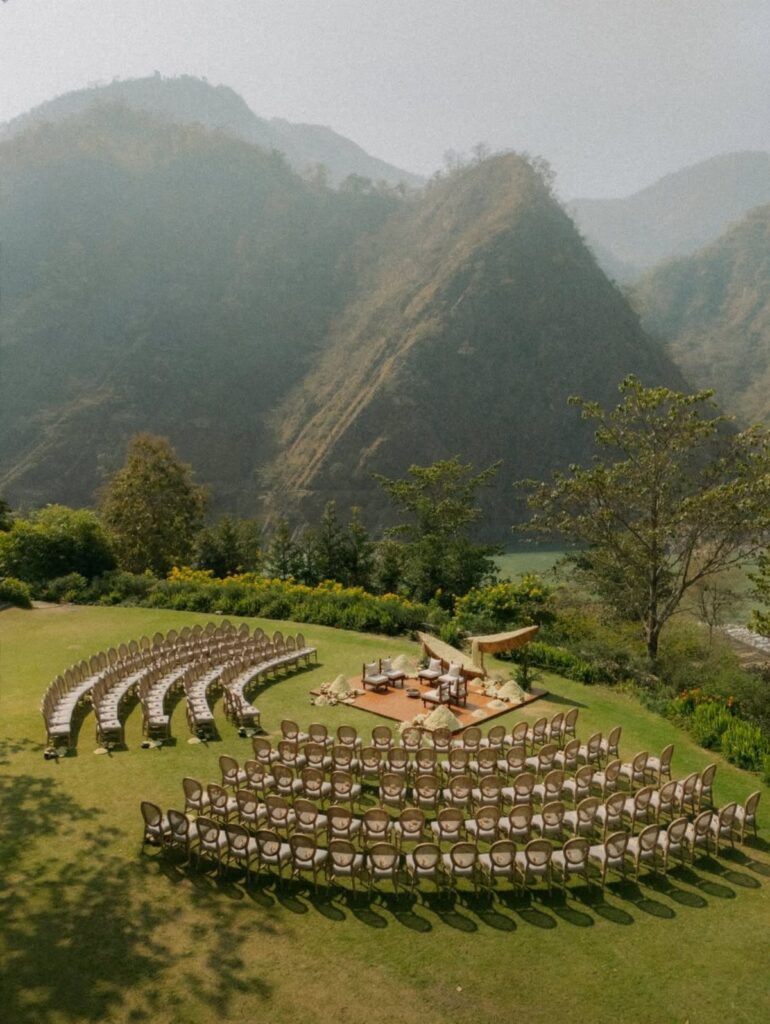
Guest count decides which venue on this list is yours: a railed Amalfi Coast cliffside terrace or a Tulum beach venue suits a short list of people who will make the trip, while a Newport historic estate lawn near 80 guests or a Las Vegas ballroom handles a bigger crowd.
The range runs from Sedona’s red rocks, where a wooden platform altar and black folding chairs are enough, to the Biltmore Estate facade, which wants florals kept low and pale.
Guests travel less for a faraway wedding: domestic destination weddings draw about 92 people and international ones about 69, so I would build the list and the venue around the lower figure.
1. Maui Beaches
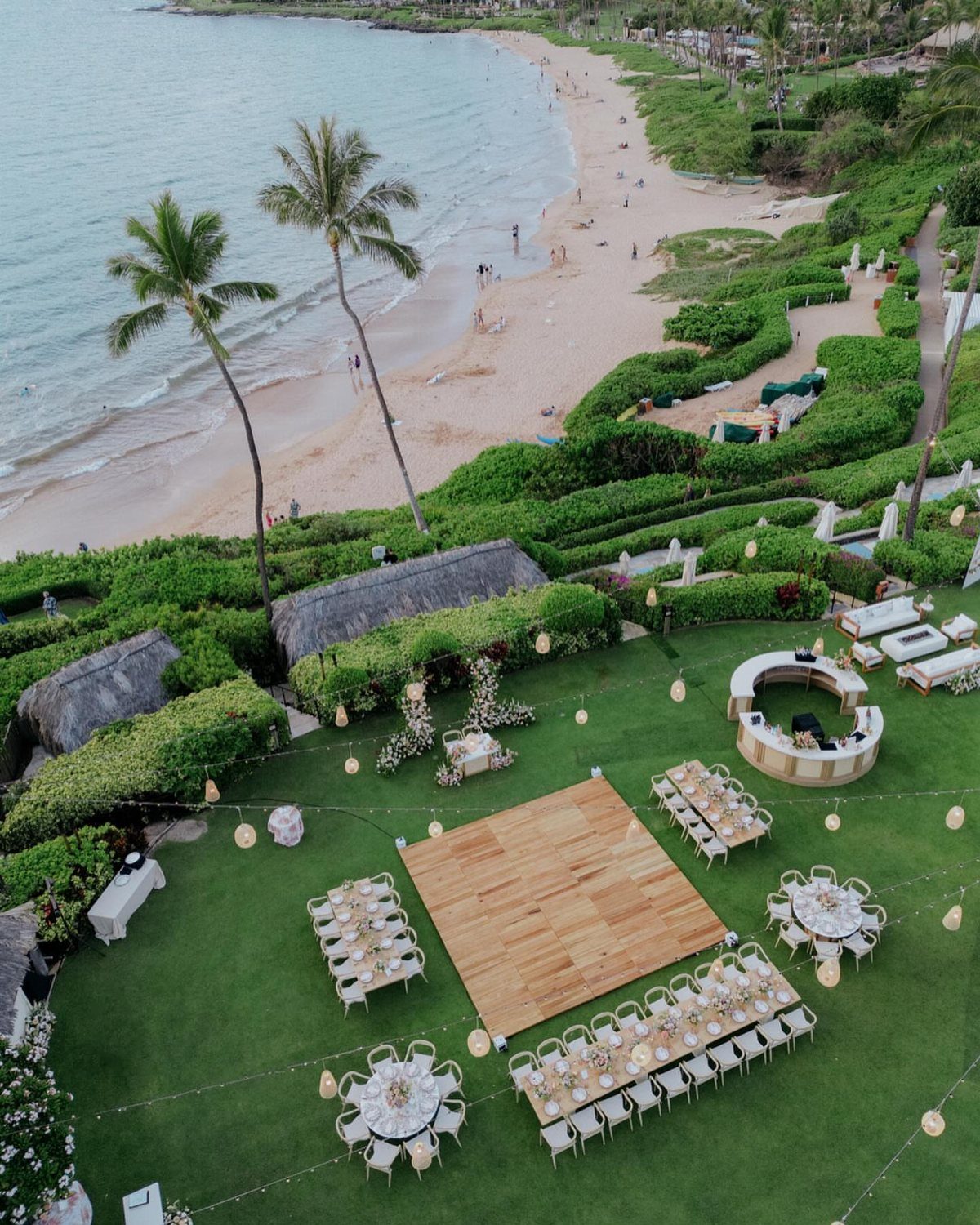
A lawn above the sand lets you split the day in two: ceremony and photos at the water’s edge, then dinner and dancing on grass where heels and chair legs behave.
A wooden dance floor over turf is worth pricing early, since it keeps the party from sinking.
A circular bar in the middle of the reception draws guests toward the center and away from the edges. That layout suits a mixed-age crowd best, since grandparents and kids both get easy footing and a clear view.
2. Miami Beachfront Venues
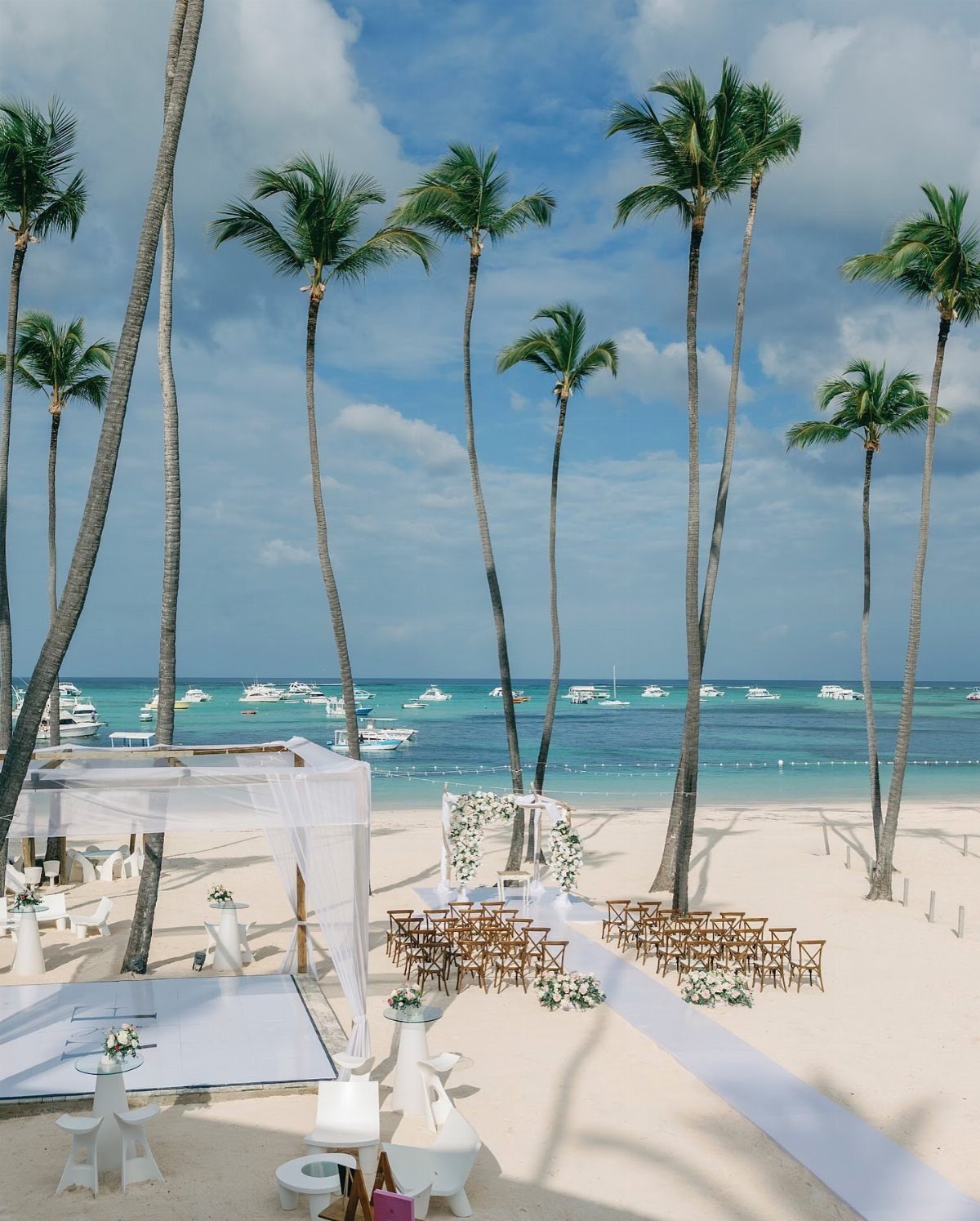
White aisle runners on sand look crisp and photograph well, but sand swallows chair legs unevenly, so ask the venue how the rows get leveled before you settle on a layout.
Palm trees and boats in the water already supply the backdrop. A floral arch is the one splurge worth making here, and everything else can stay simple.
3. Key West Seaside Venues
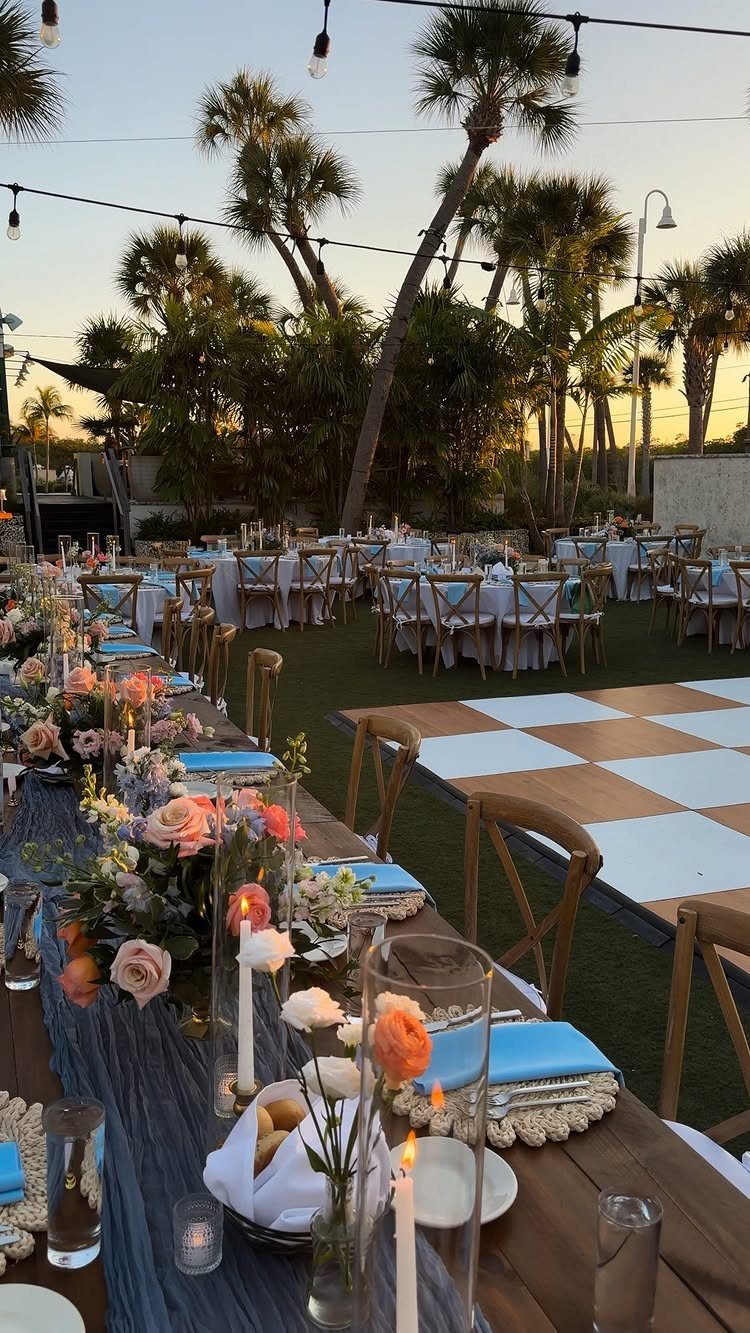
Sunset decides the schedule here.
Long tables mixed with round ones keep the room from feeling like a banquet hall. At a tropical seaside venue, lighting deserves the money before centerpieces do.
4. Charleston Waterfront Estates
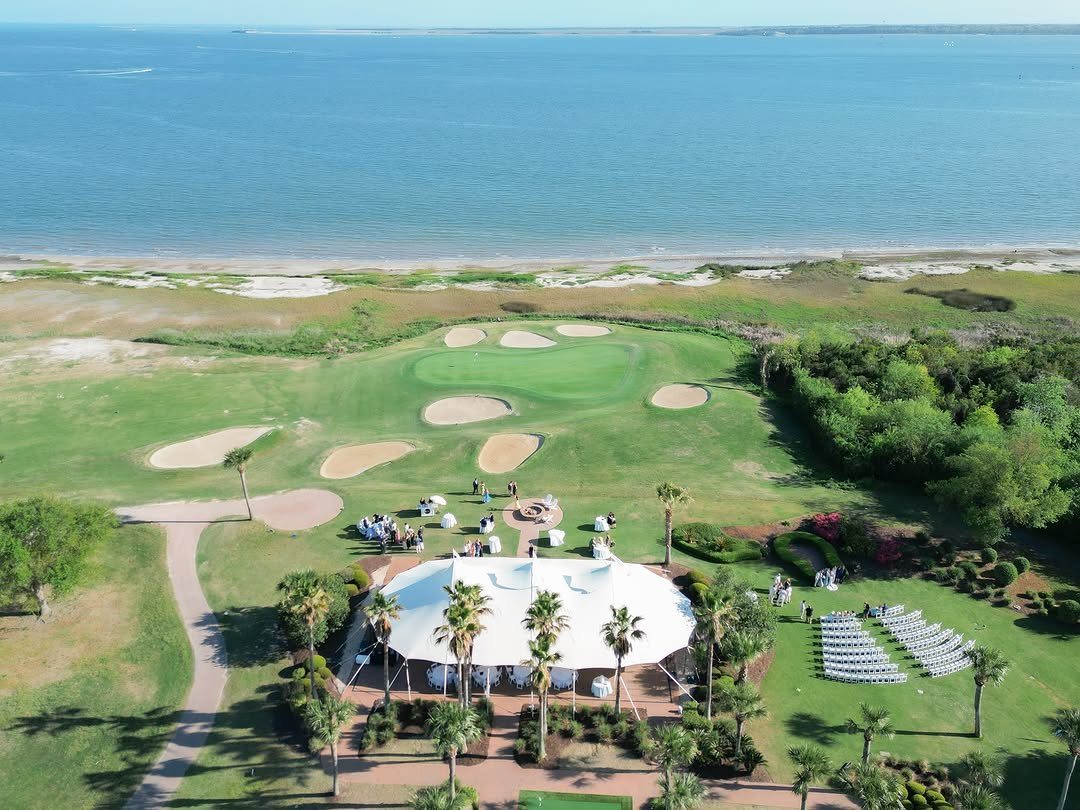
A white tent on a coastal lawn is a practical choice for a couple who wants the ocean without gambling on the weather.
Ask any waterfront estate what its tent policy is and who supplies the tent, since that line item changes the total quickly.
Seating on the grass in front of the tent keeps the ceremony open to the view, and guests can slip under cover for the reception.
5. Amalfi Coast Cliffside Venues
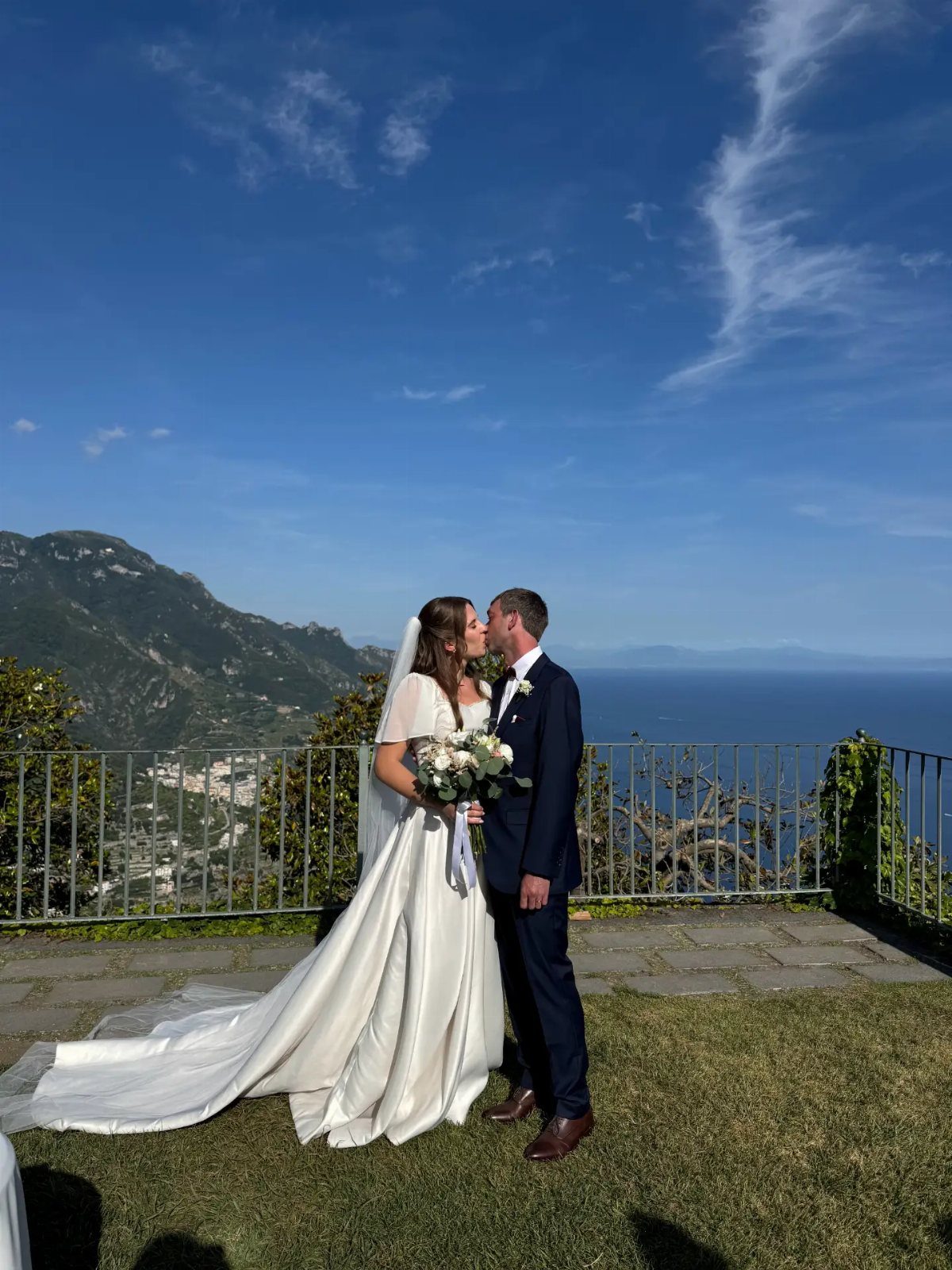
A railed terrace over the sea is a small stage, so these weddings tend to suit short guest lists.
Plan the ceremony around the edge of the terrace, not the whole venue, and limit the group to the people who will make the trip.
Cliffside venues reward couples who care more about the view than the headcount. If your list runs long, I would look at a venue with a larger lawn instead.
6. Biltmore Estate, North Carolina
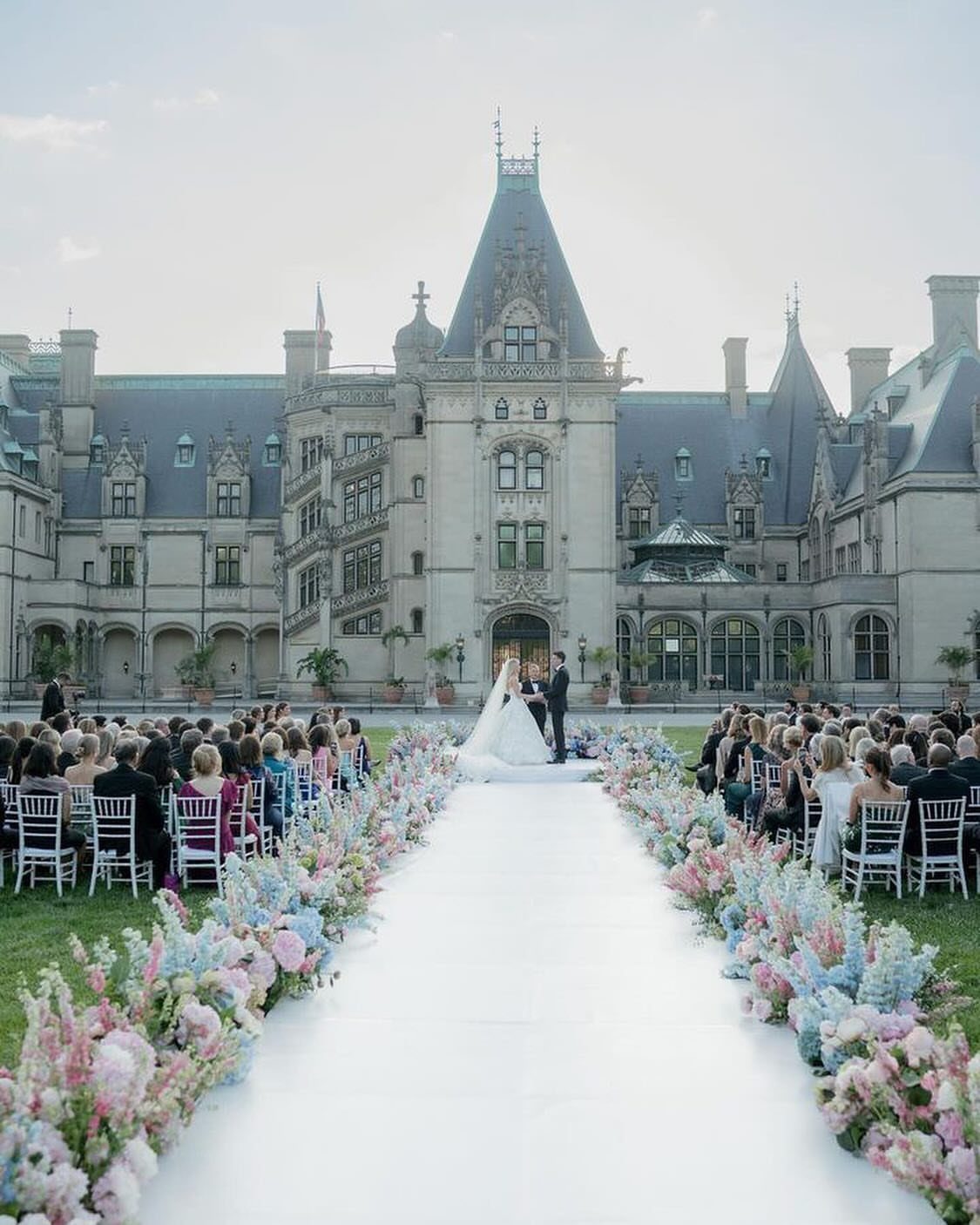
Anything busier competes with the facade.
Florals work best low and pale, with the budget going into the aisle itself. Guests face the house throughout, which makes it the backdrop for every ceremony photo you will keep.
7. Palm Springs Desert Venues
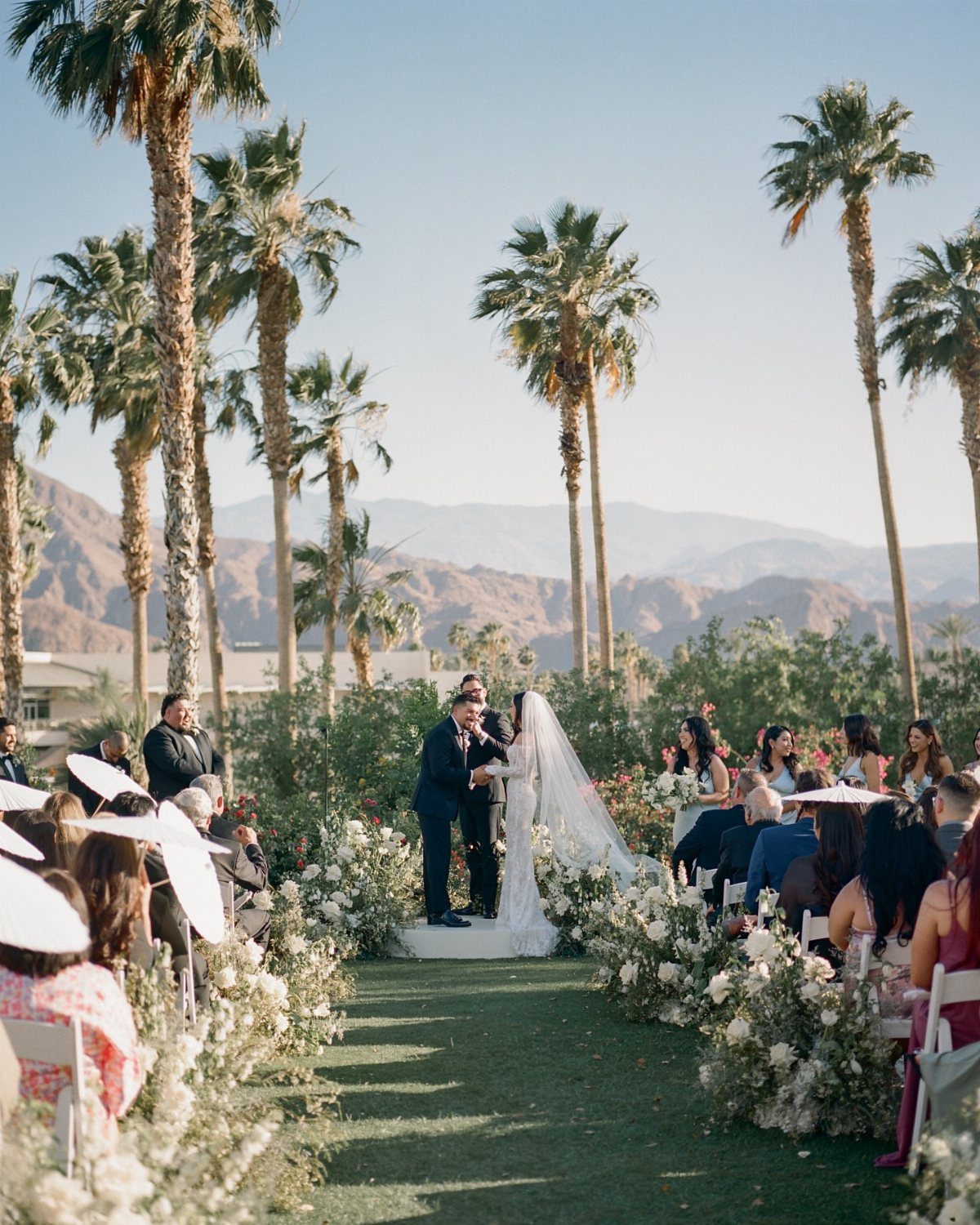
Desert weddings pair open sky with resort-level comforts, so the budget question is usually which amenities you pay for and which you skip. Palm trees and mountains already frame the ceremony, which means florals can stay modest and low.
Guests in a dry, open setting need shade and water, so ask the venue what it supplies before seating goes on paper.
Why here: Palm Springs has everything you want in a matrimonial getaway: desert scenery, luxe spas, and plenty of world-class swimming pools to sit around perfecting that low-back, strapless tan.
8. Sedona Red Rocks
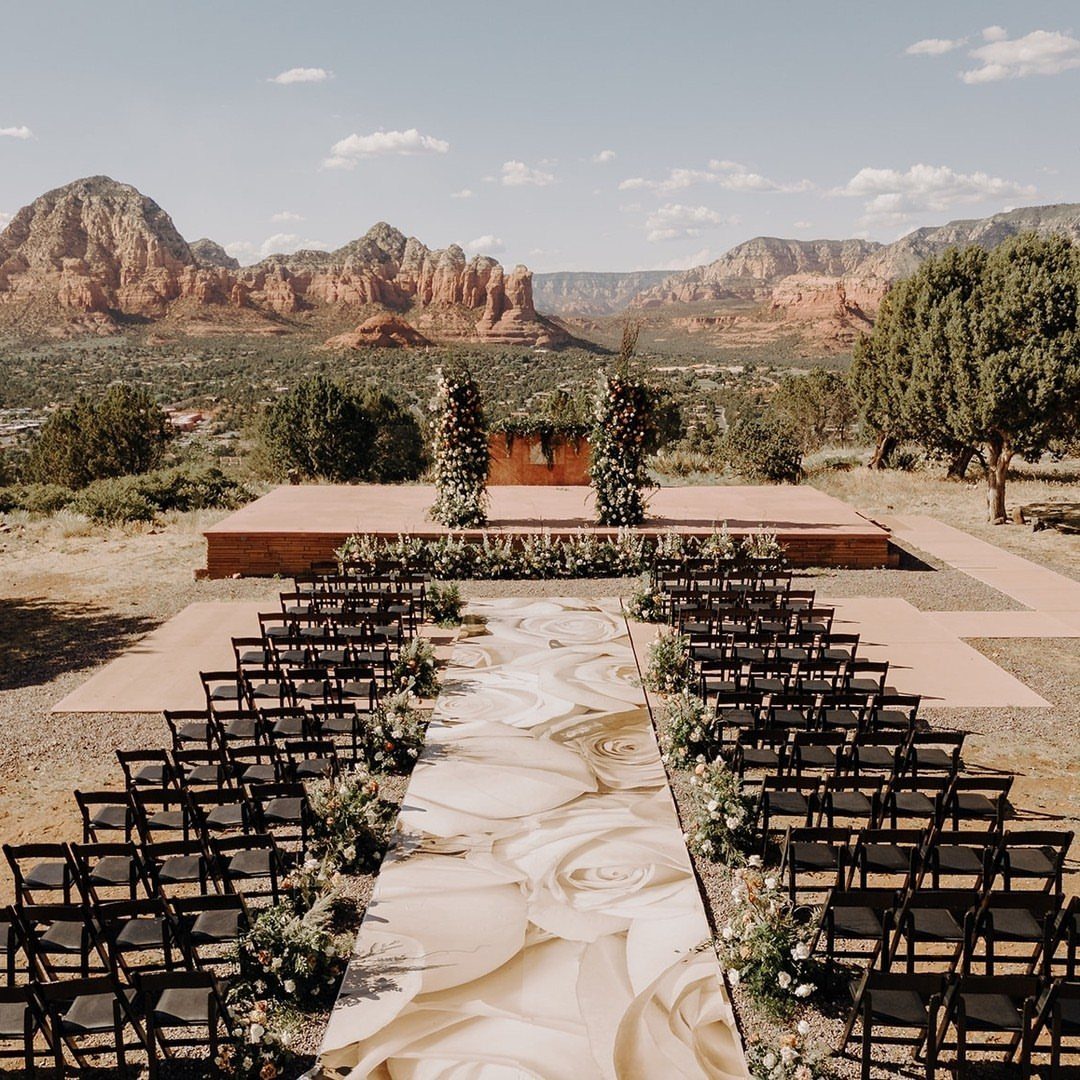
Red rock does the decorating here, so a light hand on the ceremony setup makes sense. A wooden platform altar and a floral runner are enough; anything taller competes with the cliffs behind it.
Black folding chairs keep the rental bill low and read cleanly against the red. This idea suits nature lovers who would rather put money into the view than into a ballroom full of décor.
9. Las Vegas Ballrooms
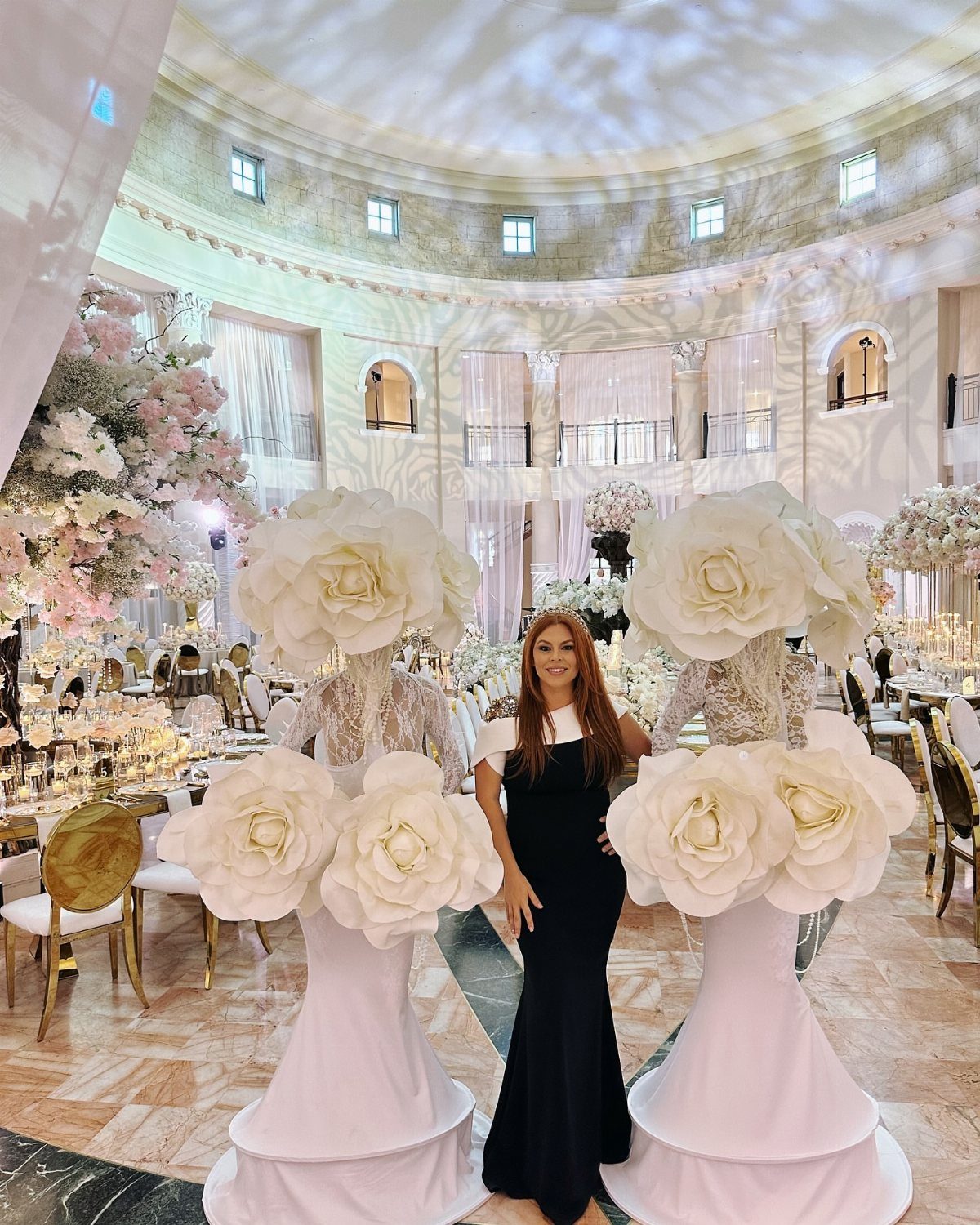
Oversized white floral sculptures can fill a round ballroom, and that is where the floral budget does the most good. A few large pieces read as grander than dozens of small centerpieces and are easier to place around the tables.
Keep the rest of the palette restrained, since black and white linens let the florals carry the room. Ask for a floor plan early, because the circular layout changes how tables sit.
10. Newport Historic Estates
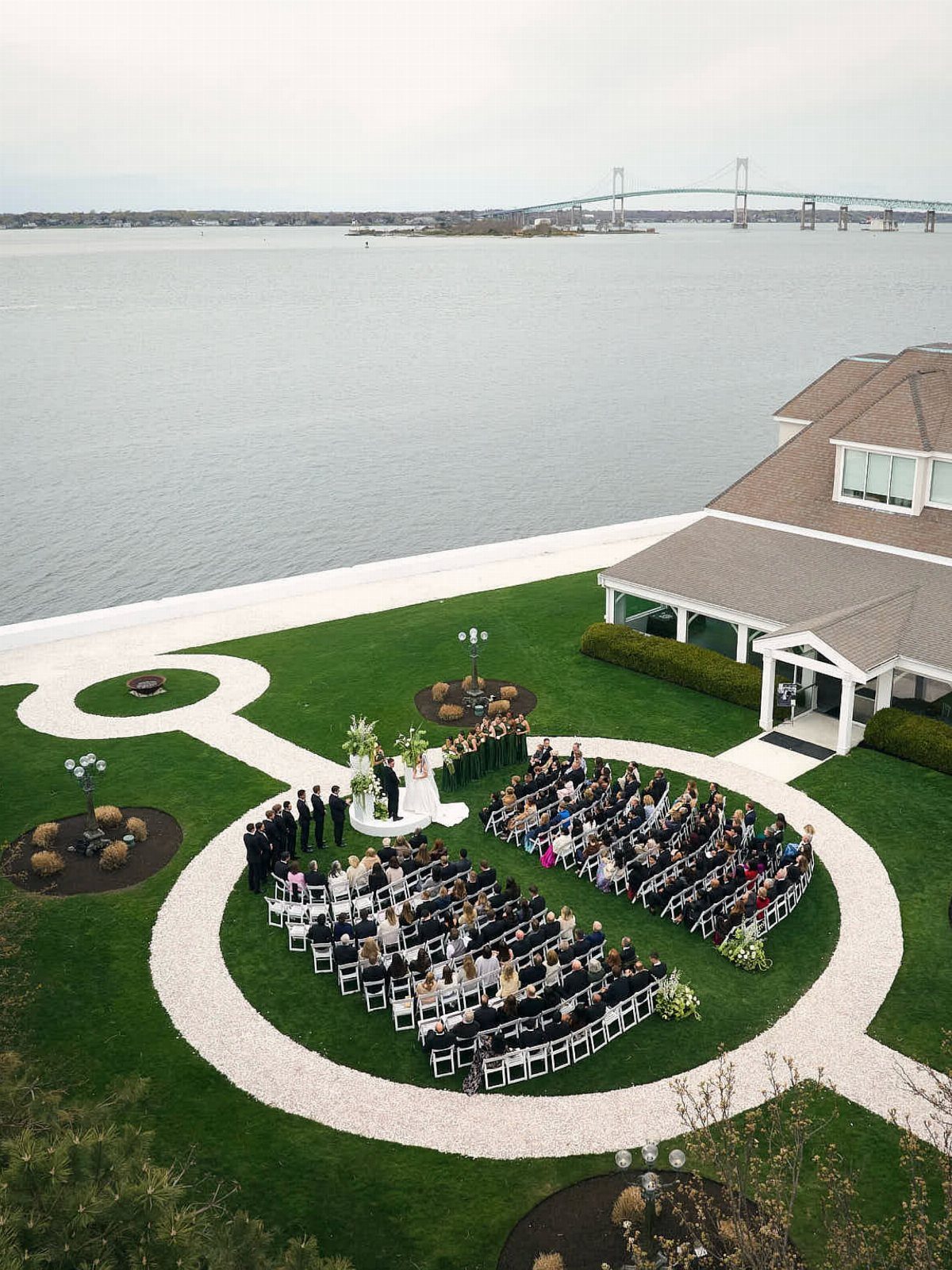
Seaside lawns beside a white estate come with built-in formality, so a simple layout works best: white chairs in even rows facing the water, with the wedding party in front. A guest list near 80 fits this kind of lawn comfortably.
Historic venues often have their own rules on vendors and setup, so ask for them before you sign. I would pick the lawn ceremony over an indoor one every time.
11. Tulum Beach Venues
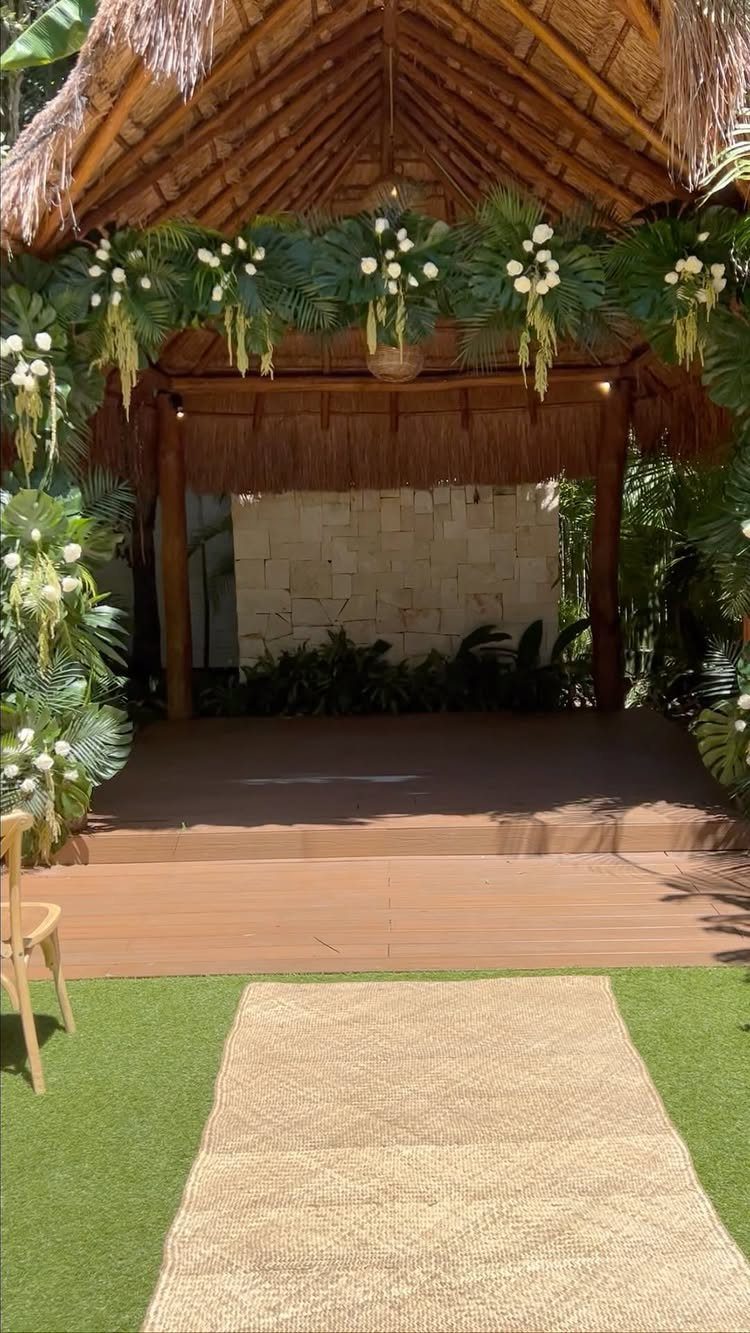
A thatched-roof pavilion gives a Tulum ceremony its shape before a single flower goes up.
Laid-back beach towns reward a loose plan: fewer formal moments, more time outdoors. Because guests must travel, I would keep the list to people who will genuinely make the trip.
12. Banff Mountain Landscapes
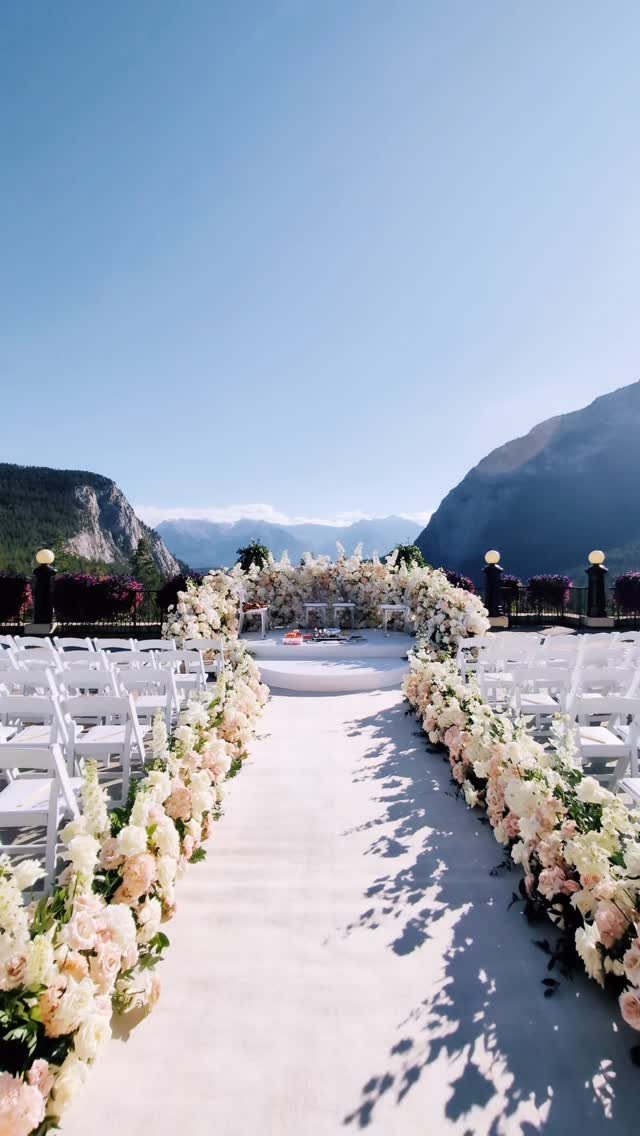
I would spend on the photographer before the florals. Mountain light changes quickly, and the backdrop is the reason couples choose Banff in the first place.
13. Napa Valley Vineyard Estates
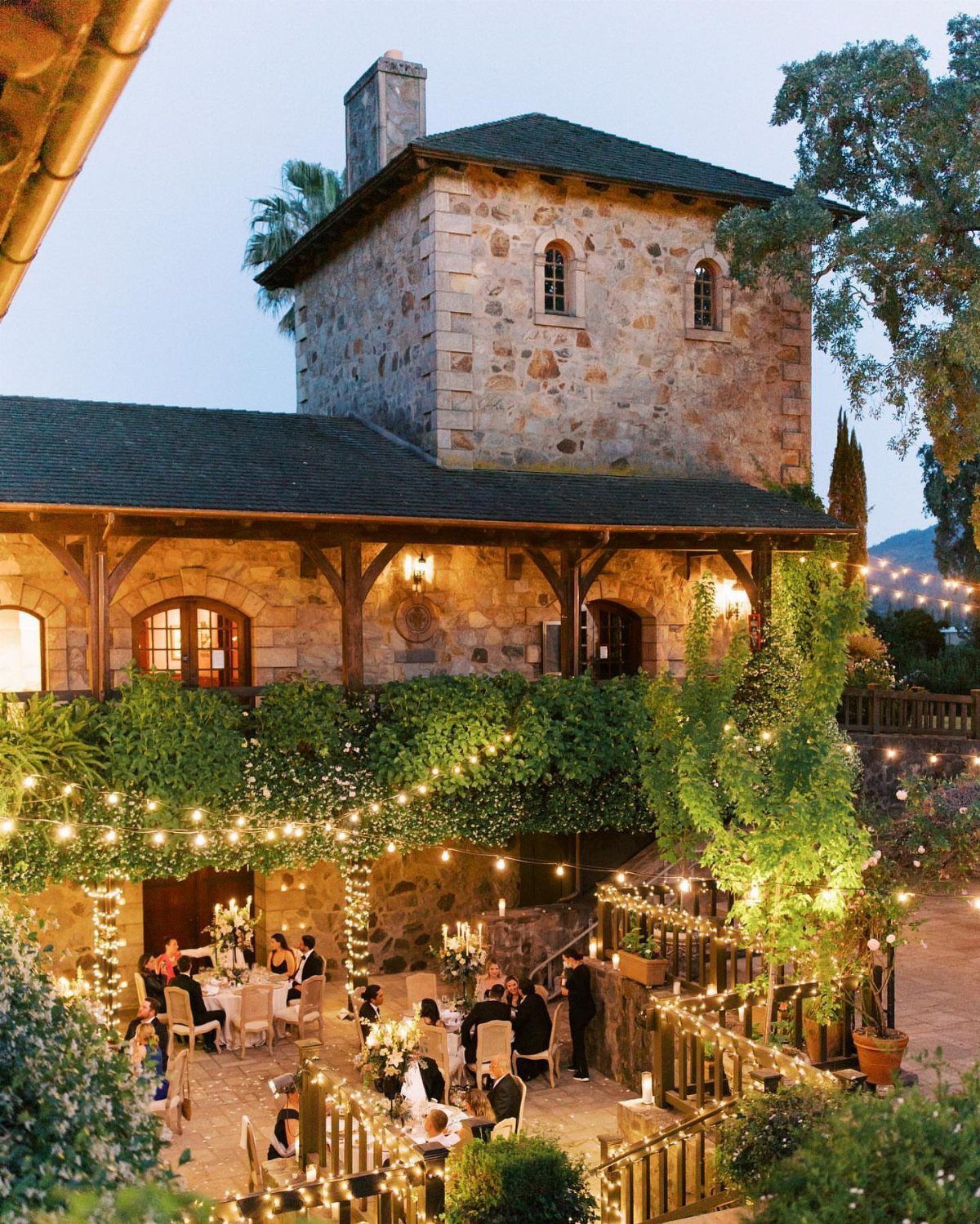
String lights over long dinner tables do most of the work at a vineyard estate, so I would spend on the lighting plan before anything else.
Ask the venue where power runs on the patio, since that decides where the tables can go.
Greenery and stone already fill the frame, which leaves florals free to stay low and simple. A single dinner for a small guest list suits this setting better than a big dance party.
14. Ireland Castles
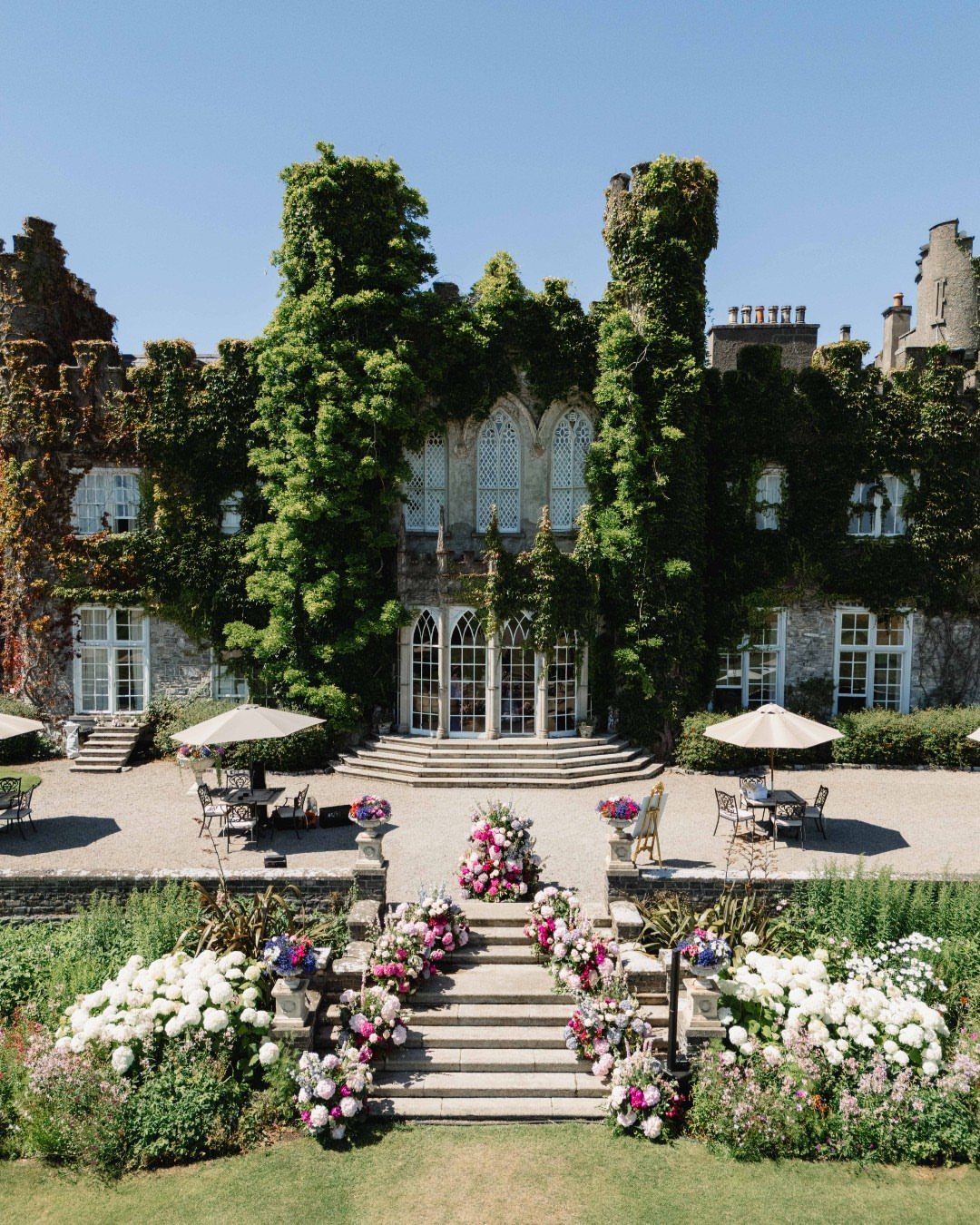
Tables with umbrellas on the patio make a relaxed reception spot, though I would ask the venue what shelter it offers if the weather turns.
Before you sign, ask the castle for its vendor list and setup rules in writing, since many restrict who can work there and when you can get in.
15. Elms Mansion Gardens
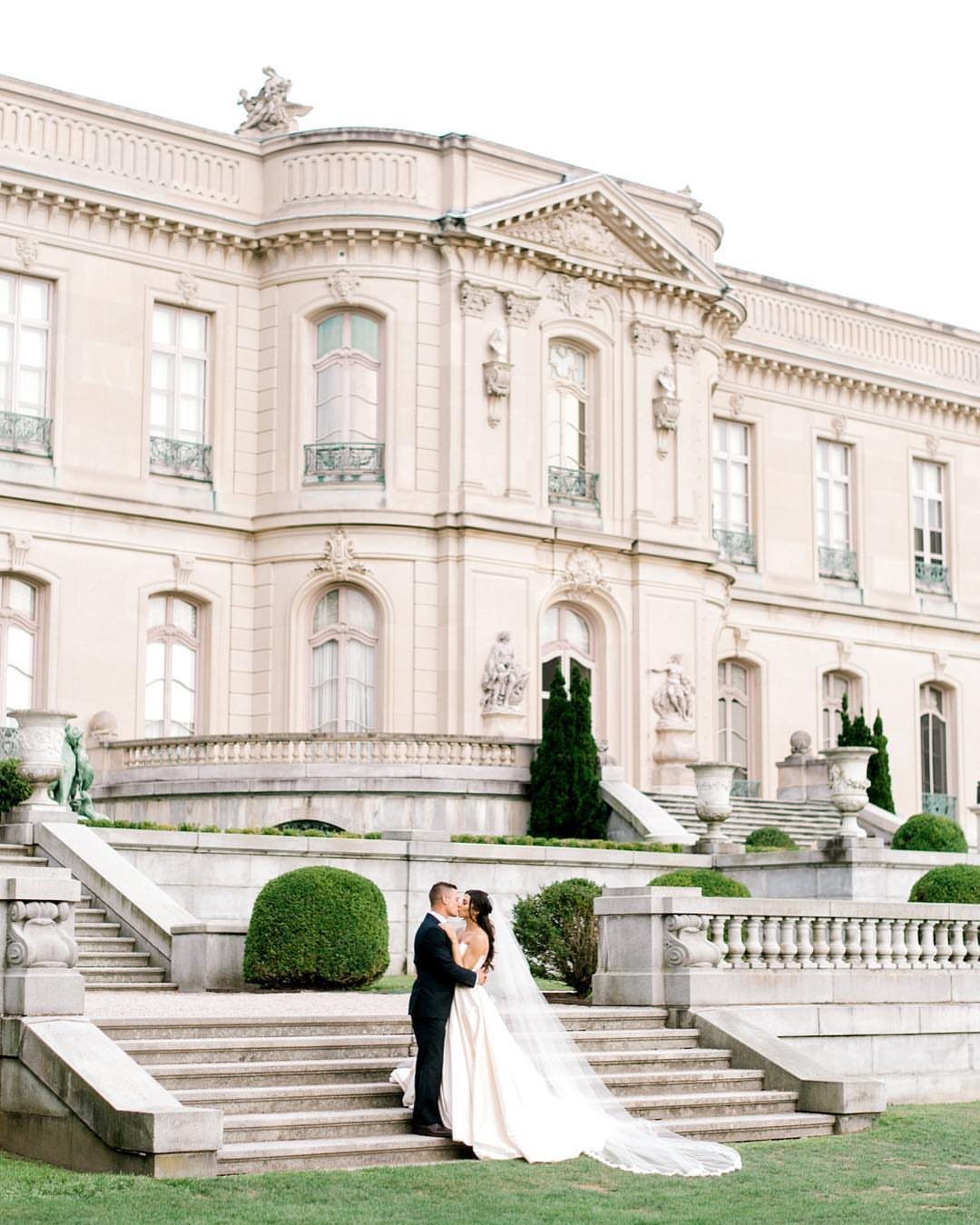
Wide stone steps in front of a neoclassical mansion work as a built-in photo set, so plan your portraits there before the guests arrive or after the ceremony.
Keep your attire classic and the florals simple, because the columns and stonework already carry the formality.
Ask the estate which parts of the grounds are open for photos and whether a time slot is reserved for you. I would book the steps for the first look.
Destination Wedding Planning Tips
A pretty backdrop is only half of a destination. Before you fall for a venue, look at what surrounds it: hotels, restaurants, ground transportation, and things for guests to do on either side of the ceremony.
Weather planning belongs on that same list. Ask what the place looks like in your month, and have a backup that doesn’t depend on luck.
Sedona means red rocks and wellness, Charleston means history and Southern charm, Napa means wine country, Miami means beaches and nightlife, and Las Vegas means convenience. Hawaii brings tropical scenery and resort infrastructure.
Then give guests a short list of things to do nearby. Keep it optional, so nobody feels the weekend is a schedule.
Budget Considerations for Destination Weddings
Guest count is the biggest lever you control.
Domestic destination weddings average around 92 guests, and international ones around 69, against an average of 117 for U.S. weddings overall. Plan toward the smaller number, since every guest adds meals, transportation, and rooms.
Staying in the U.S. also cuts costs and hassle. A domestic destination usually means no passports, easier flights for most guests, and marriage license rules that look more familiar.
Many guests will turn the trip into a short vacation, so it helps to pick a place where they can stretch the stay or work remotely for a day.
A package that bundles lodging, meals, and a ceremony site can simplify the math; compare what it includes against what you would book separately.
Seasonal Considerations for Weddings
Spring and fall are popular, but the calendar changes by place, so check the local climate before you fall for a season.
Outdoor weddings in the desert work best from November through April. Popular dates go fast, so book early.
October and May can still work as shoulder months, though I’d check the forecast history before booking. From June through September, the extreme heat makes an outdoor ceremony a hard sell for guest comfort.
Schedule the ceremony around sunset there. The light is at its best and the temperature eases.
Keeping the guest list small helps here too, because a few people with space around them feels more luxurious than a packed room.
Add golf, spa appointments, or private dinners if you like, and keep them optional for older guests and families with children.
Frequently Asked Questions
What are the best destination wedding locations?
Maui, Charleston, Napa Valley, and the Amalfi Coast come up most often.
I’d match the place to your priorities: Maui for beaches with a grassy reception lawn, Charleston for history and a tented waterfront estate, Napa for string-lit dinners among the vines, and the Amalfi Coast for a short guest list and a big view.
Sedona suits couples who would rather spend on scenery than on décor.
What should I consider when planning a destination wedding?
A great backdrop won’t carry the weekend alone, so check the area around it first: where guests will sleep and eat, how they’ll get from airport to venue, and what they can do with the free hours on either side of the ceremony.
Check the forecast history for your exact month too, and line up an indoor or covered fallback before you sign anything. A short list of nearby options, clearly marked as optional, keeps the trip from feeling like a packed itinerary.
What is the average cost of a destination wedding?
Costs vary widely, and I can’t give you one reliable figure.
Of everything in the budget, headcount is the one number fully in your hands: each added guest means another plate, another seat in a shuttle, and often another hotel room.
Destination crowds run small, about 92 guests for domestic trips and 69 for international ones, compared with 117 at U.S. weddings overall, so build your plan around that lower range.
Is $10,000 a good amount for a wedding?
It can work, but a destination wedding makes it tight because guests travel and every added person raises meals, transportation, and rooms. Keeping the list well under the 69–92 guests that destination weddings average is your best protection.





