Items in this quiz range from a free name tag on a favor to a venue booking that locks in your date, guest count and budget, so the order you decide things in matters as much as the choices.
The rule that picks your starting point is your real number: put a dollar figure next to each priority, and the one you refuse to cut goes first.
Each of you can answer the quiz alone, then swap papers, and the places where your answers split will show up before a vendor ever asks.
1. Wedding Venue
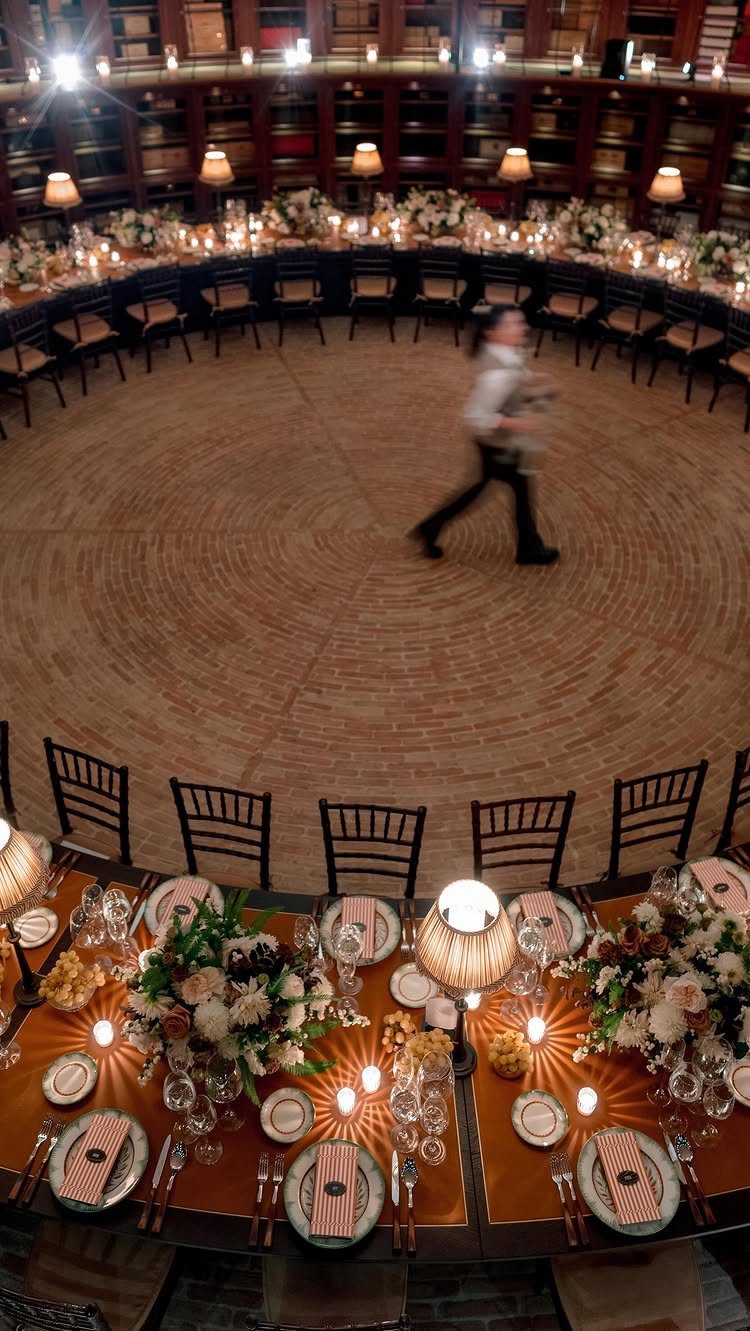
A library with dark wood shelves and a brick floor already works as decor, so the money you would spend on backdrops can go elsewhere. Round tables with florals fit that room well.
Pick the venue before anything else. Date, guest count and the rest of the budget all hang on it, and a booked room settles more decisions than any Pinterest board.
Ask what the rental includes before you fall for the look. Tables, chairs and a server are not always part of it.
2. Reception Meal
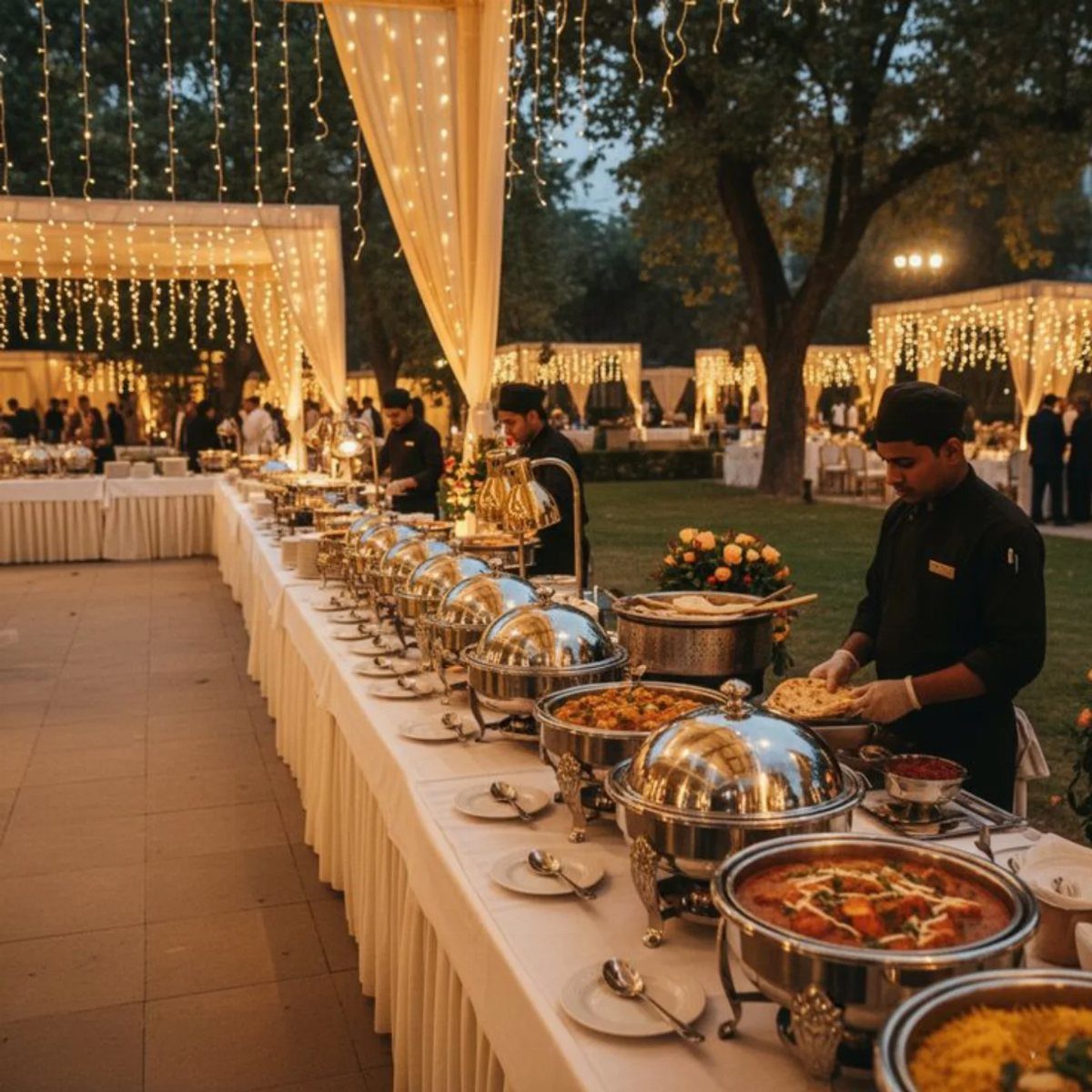
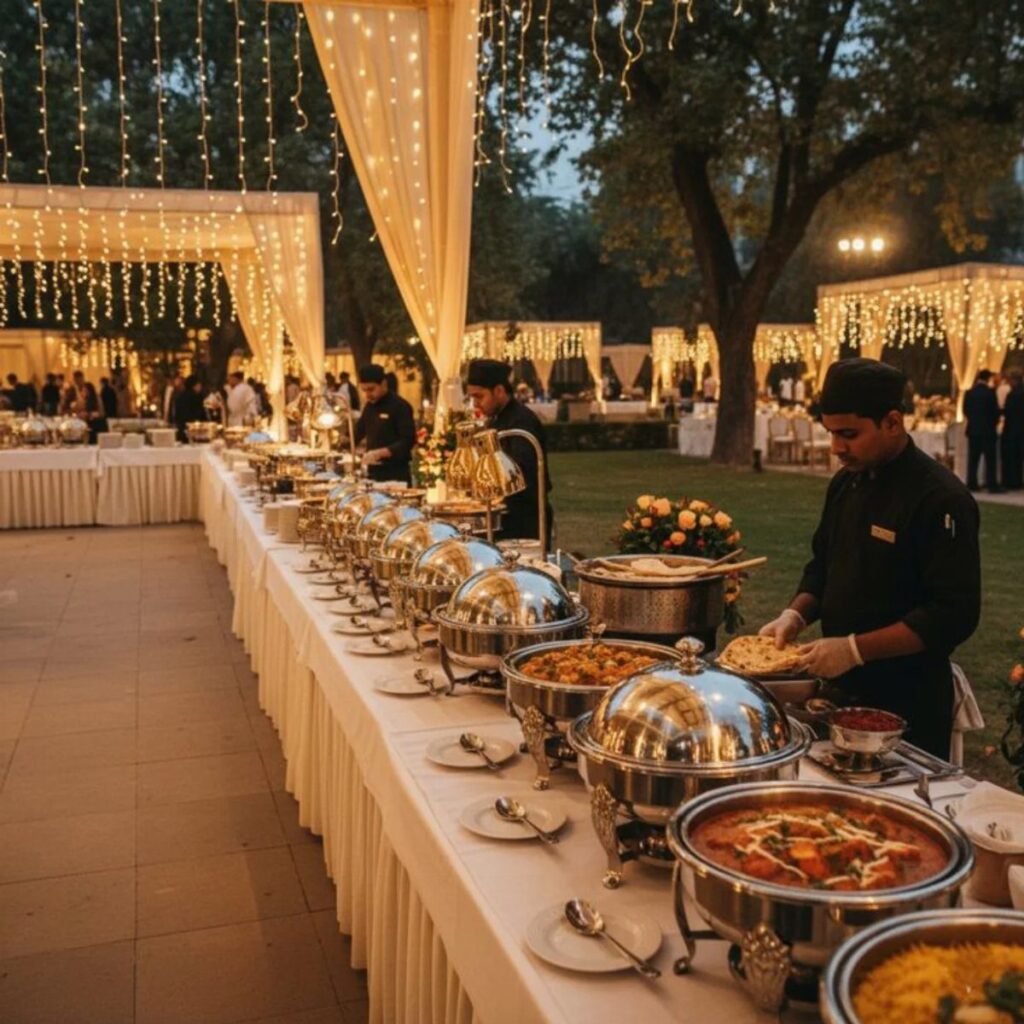
A buffet lets guests pick their own portions and go back for more, and staffing it with servers keeps lines moving and portions fair.
I lean toward it for modest budgets, since it skips the plated-service staffing a sit-down dinner needs.
Chafing dishes keep food hot, but only for so long, so ask the caterer how often they refill and swap the pans.
Ask the caterer how many dishes they plan per guest count and whether chefs will carve or serve at the table.
Decide the meal style early, because it shapes your table layout and your caterer shortlist.
3. Wedding Favors
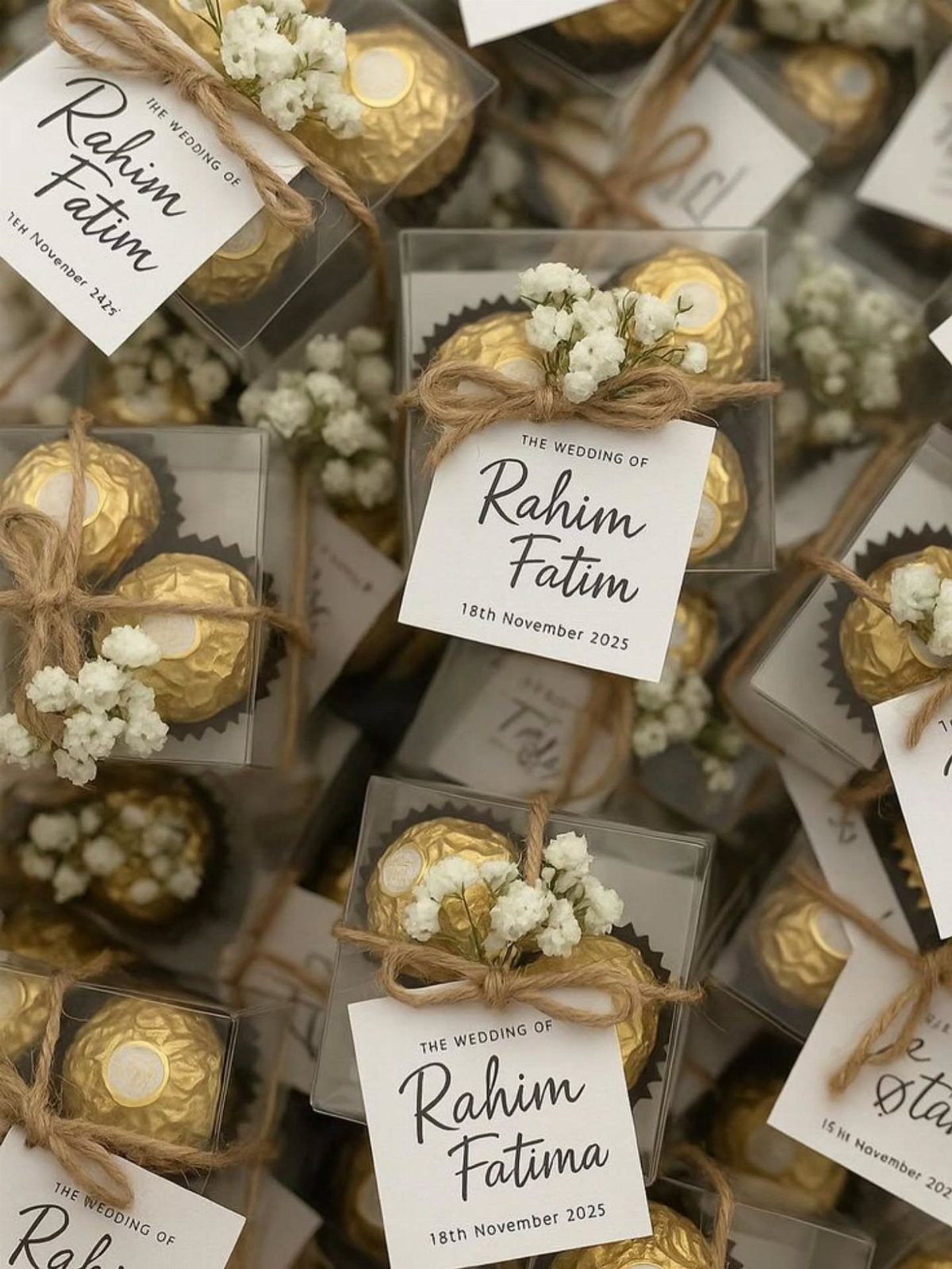
A tag with your names and the date makes it feel personal without extra cost.
Edible favors are my pick. Guests actually take them home and finish them, which cannot be said for most trinkets.
Assemble them yourself if you have a few weekends. Buy boxes, twine and tags in bulk, and count one per guest, or one per couple to trim the total.
4. Reception Seating
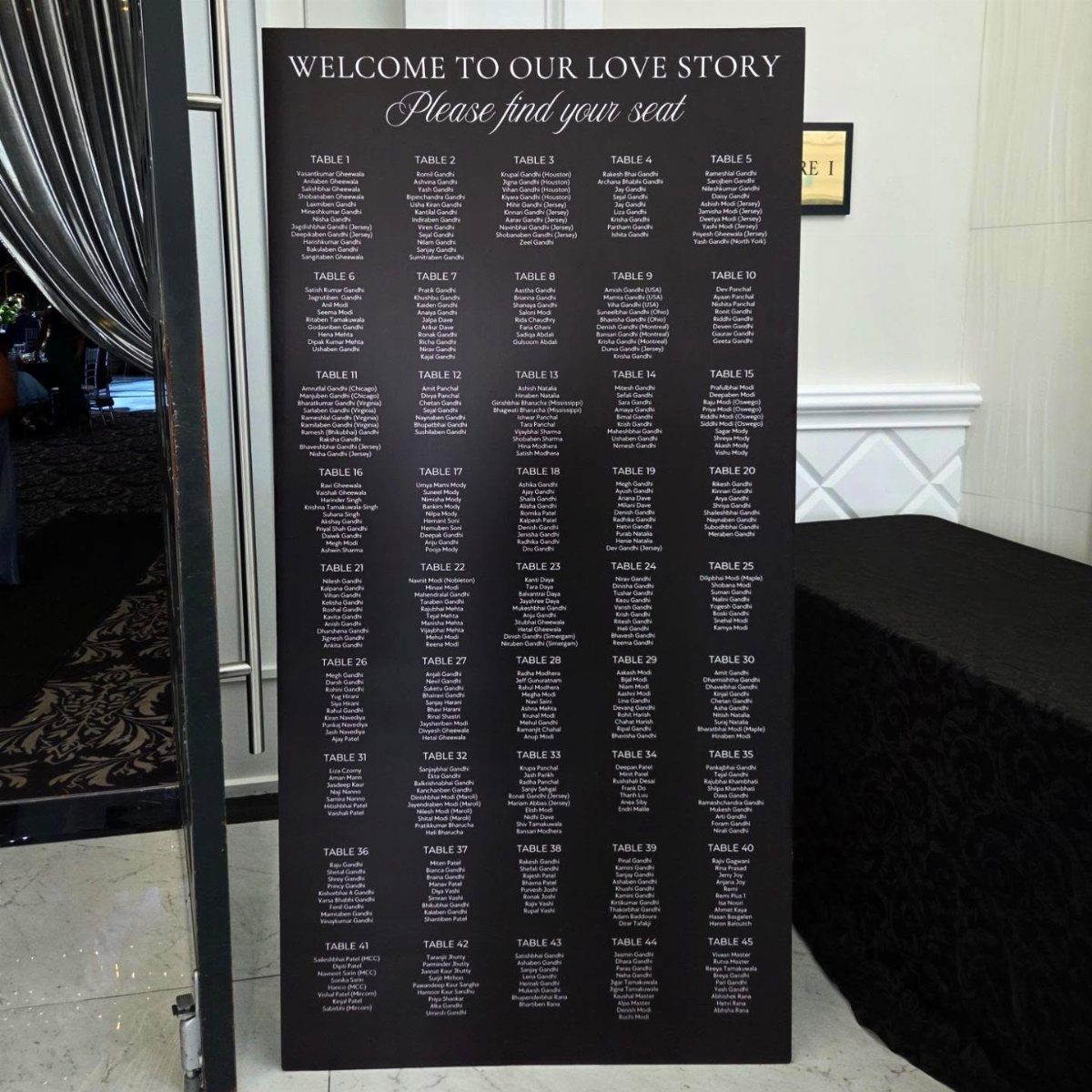
White lettering on a dark background reads clearly from a few steps back.
Alphabetize names within each table or across the whole board so people find themselves in seconds. Add a title line, but keep the font large enough to read in a crowd.
Start the chart only after RSVPs close. Moving names around on a finished board is a headache, and reprinting costs money.
5. First Look
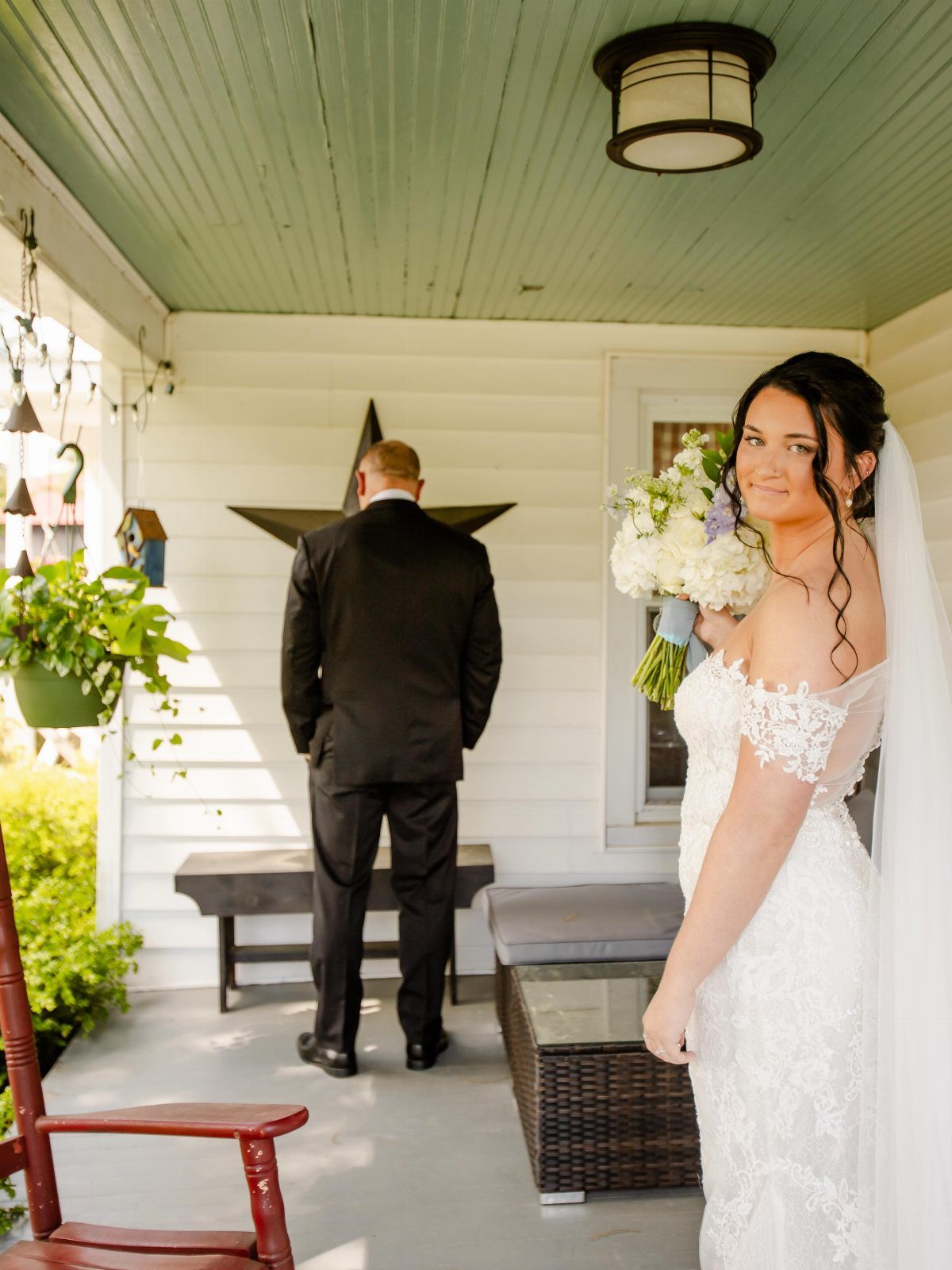
Seeing each other before the ceremony, with one partner’s back turned, lets you share a quiet moment before the crowd arrives. I like it for couples who expect nerves, since the first reaction happens privately.
It also frees up photo time. Portraits of the two of you get done before the ceremony, so you reach cocktail hour sooner.
Skip it if walking down the aisle toward each other matters to you. That moment can only happen once, and it is fine to protect it.
6. Reception Games
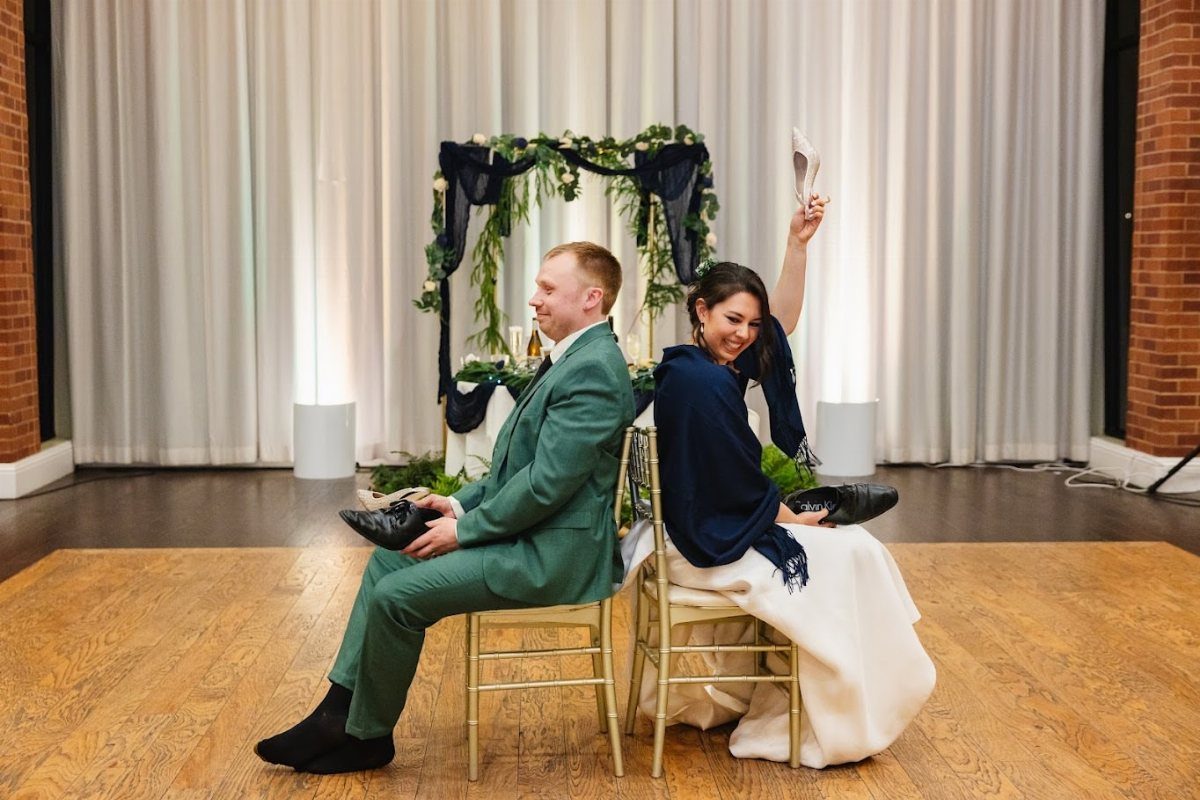
The shoe game has you sit back-to-back and hold up shoes in answer to questions, and the room does the laughing for you. It needs no equipment beyond footwear, which suits a tight budget.
Write 10 or so questions ahead, and mix easy ones with a few that tease. Hand the questions to your emcee so you can simply play.
Keep games short.
7. Wedding Party Attire
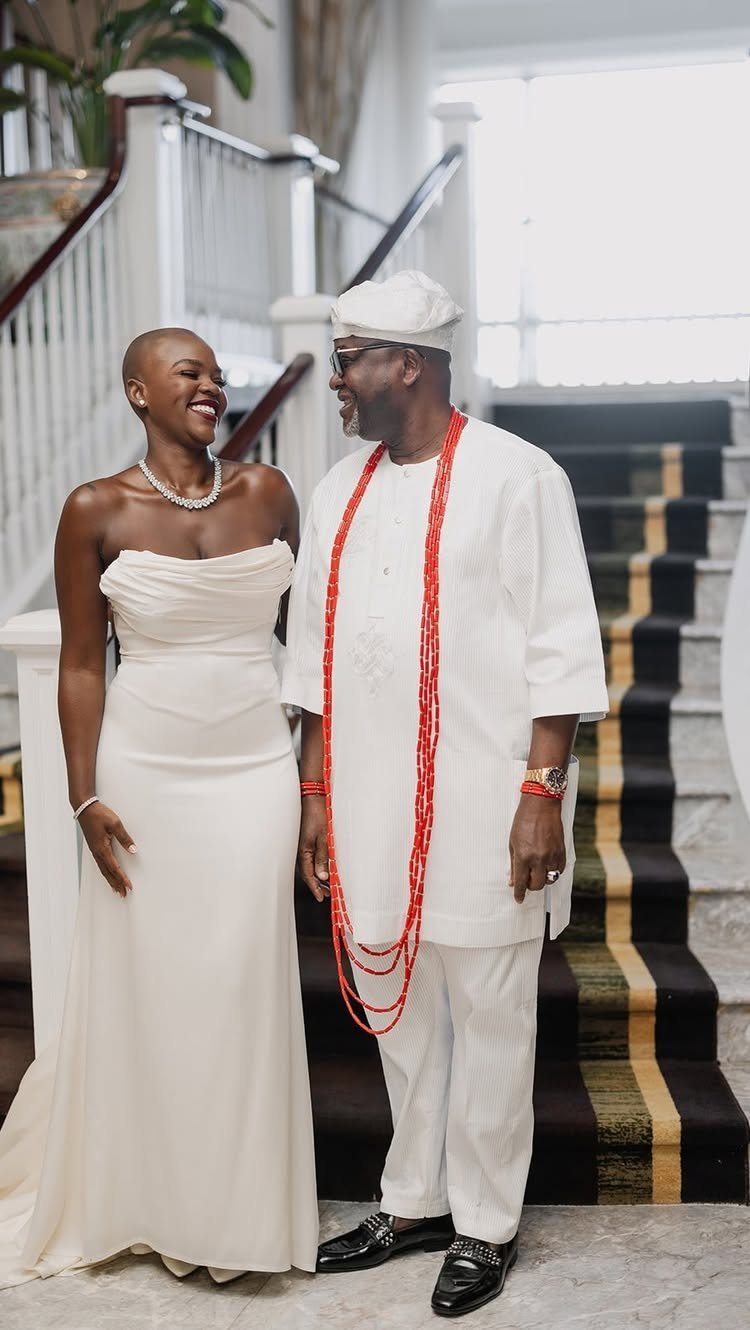
White on white keeps a couple looking like a matched pair, and a staircase backdrop needs nothing added to it.
A strapless gown and traditional attire can differ completely in cut and still read as one look, as long as a shared color ties them together.
Choose the couple’s outfits first, then dress the wedding party around them. Pick one shared color or accent, like red beads or a red sash, and let everyone else pick up on it in small doses.
Settle attire before invitations go out if you can. It affects the dress code line, and outfits take time to order and alter.
8. Lighting Choices
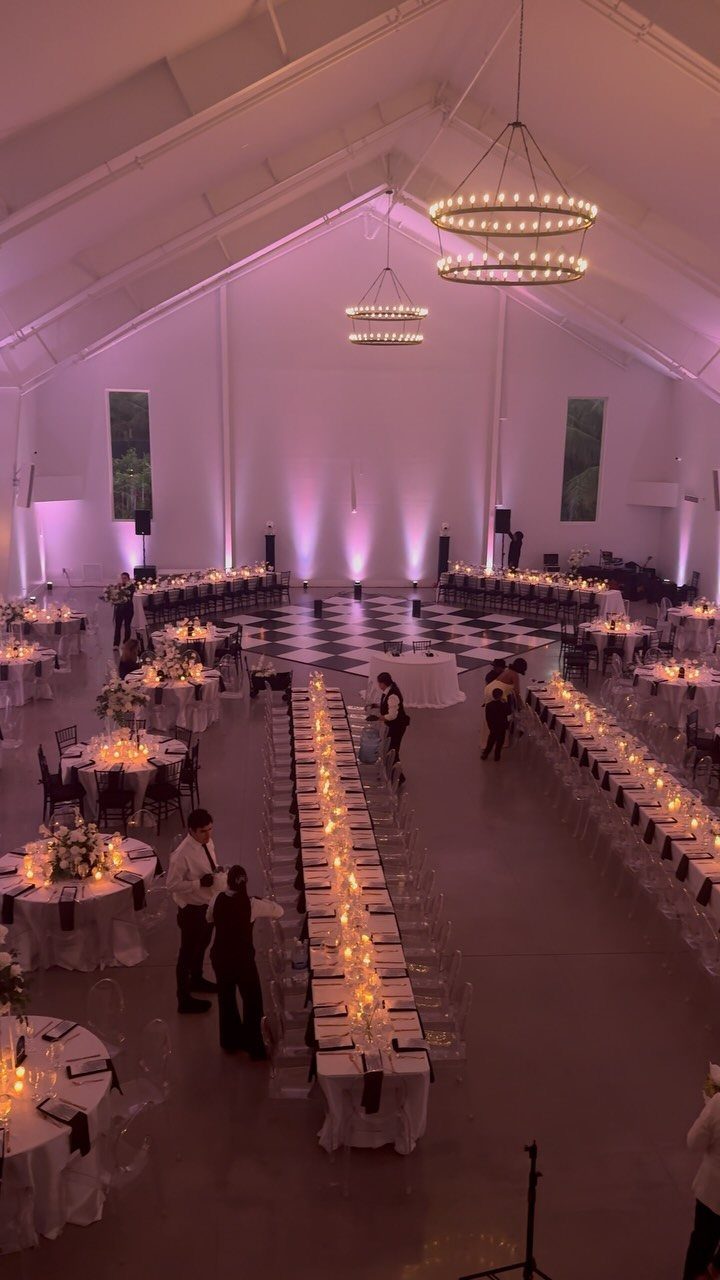
Uplighting in a single color, like purple, washes the walls and sets the mood of the whole room, so test the shade against your linens and florals before you book.
Candles on the tables add a softer glow where guests actually sit.
I would spend on the uplighting first, since it changes the whole room for the least effort. Then add candles for the tables.
Plan the ceremony and reception lighting separately. Ask the venue what is already built in, such as chandeliers, before you rent anything extra.
Advice for Wedding Planning
Planning feels overwhelming mostly because everything seems to need an answer at once. A written list of questions you both answer separately, then compare, breaks that pile into pieces.
Start with the vision before any vendor call.
Agree on what the day should feel like, who must be there, and what you refuse to skip. Those answers act as a filter, so a decision like "plated or buffet" gets made in minutes instead of weeks.
Put a dollar figure next to each priority. A couple working against a real number can then see which dream costs what, and trade one for another on purpose instead of by default.
Revisit the list every month or so. Priorities shift once quotes come in, and a shared vision only helps if it stays current.
Importance of Communication
Sit down for a planning talk on a set schedule, once a week, instead of raising wedding topics at dinner or in bed. A fixed slot keeps the stress contained and leaves the rest of the week free.
Before each talk, each of you picks your top 3 items for the week.
Say what you want and why, not just what you dislike. "I want a short ceremony because I get nervous" gives your partner something to work with; "I hate long ceremonies" does not.
When you disagree, split the decision by category. One of you owns music, the other owns flowers, and the final call stays with that person within the budget you set together.
Write down what you decide. It saves you from rehashing the same argument a month later.
Interactive Planning Tools
A questionnaire turns planning into a game you can play on a couch with takeout.
Each of you answers alone, in writing, then you swap papers. The gaps between your answers show you exactly where to talk.
Use a set of about 20 questions so it stays quick. Cover the big ones first: guest count, budget, season, and the mood you want.
Treat mismatches as your agenda, not a problem. If one of you wrote a big guest count and the other wrote a tiny one, you just saved yourselves from booking the wrong venue.
Keep your answers in one shared document. When a vendor asks what you are picturing, you can hand over a clear answer.
Frequently Asked Questions
What are our top priorities for our wedding day?
Before any vendor hears from you, settle 3 things: the feel of the day, the people who have to be in the room, and whatever you won’t give up.
Next, write a dollar amount beside each of those priorities. Once they’re written down, they work as a filter, and a question like plated or buffet is answered in a few minutes.
What is our budget for the wedding?
Start with the amount you are able to spend, not the amount you wish you could, and note whether family is contributing. From there, price every priority so you can see what each dream actually costs.
How many guests would we like to invite?
Each of you should write down a number alone, then compare. If the numbers are far apart, you have caught the problem before booking a venue that fits only one of your answers.
Guest count shapes the venue search, but the venue’s capacity, date and price will set the final number, so treat your first headcount as a working estimate.
Where would we like to get married?
The venue comes first, because your date, headcount and remaining budget all hang on it. Before you sign, get the list of what the rental covers, since tables, chairs and servers are sometimes extra.
Do we want a formal sit-down dinner or a more casual buffet-style meal?
On a modest budget I’d pick the buffet, which avoids the extra servers a plated dinner requires.
Guests choose their own portions, and servers at the line keep things moving and fair. Whichever you choose, lock it in early, as it drives your seating plan and which caterers make the shortlist.
What type of music do we want at our ceremony and reception?
Choose music by the mood you want, and settle that mood before you shop for vendors.
Hand music to one of you, and let that person make the last decision inside the budget the two of you agreed on. Splitting decisions by category like this keeps planning talks short.
How involved do we want our families to be in the planning process?
Decide it together, in writing, before families start offering opinions.
Say what you want and why, then split decisions by category so each of you owns certain choices. Also note whether family is contributing money, since that changes how much say they expect.





