The list runs from a free backyard to a glass conservatory, a luxury tented pavilion and the OdySea Aquarium, and your guest count is the one fact that narrows it fastest.
Every guest adds a plate, a chair and a drink to the bill, so a short guest list frees money for the setting, and a backyard stops saving you anything once the rentals pile up.
1. Outdoor Parks
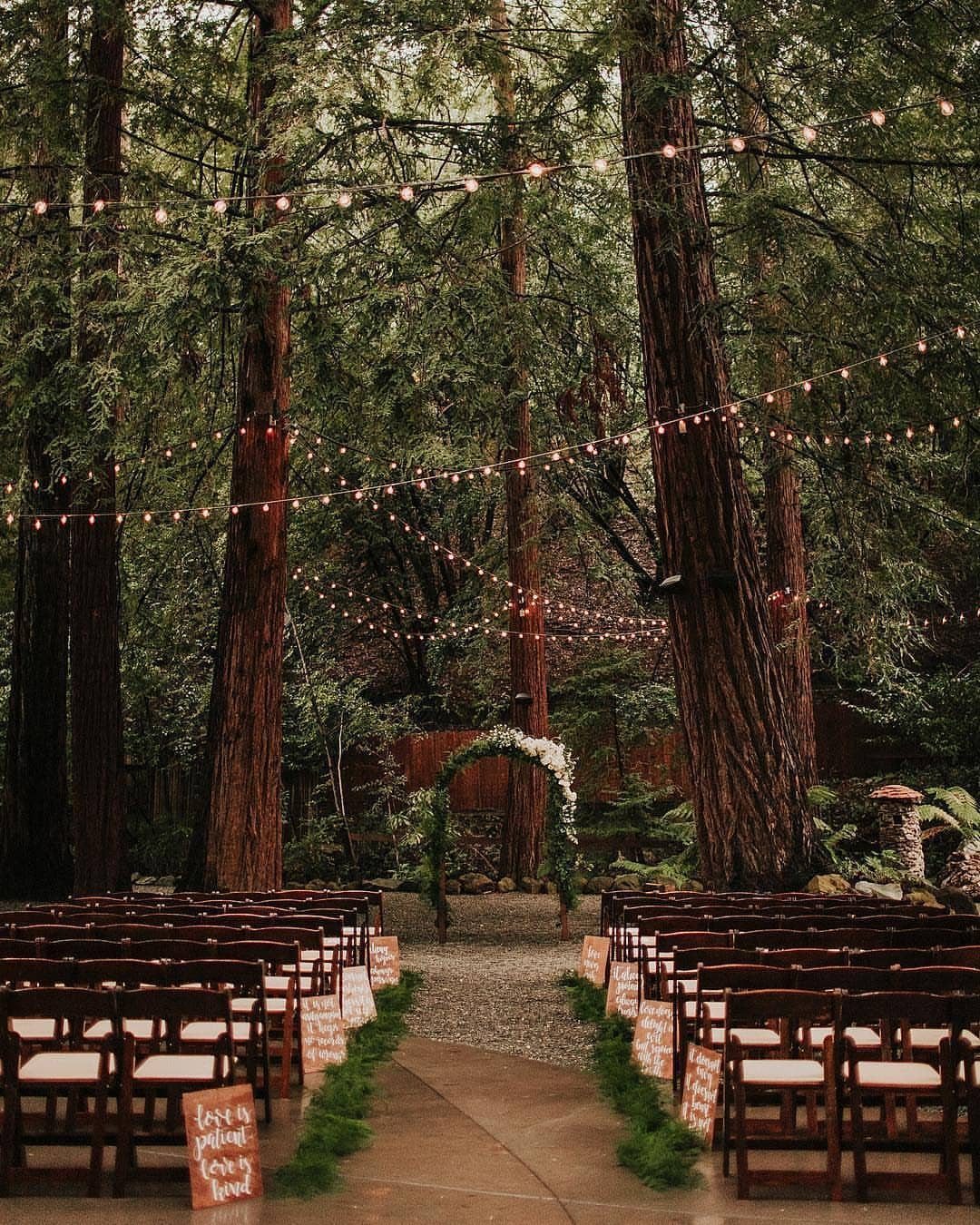
Redwood groves, city parks and wooded clearings give you a ceremony backdrop that needs very little decorating.
Check the permit rules before you fall for a spot. Many public parks require one for a ceremony, and some limit chairs, amplified sound or alcohol.
Book a backup plan too, such as a pavilion or a tent, because an outdoor ceremony lives or dies by the weather.
2. Libraries and Museums
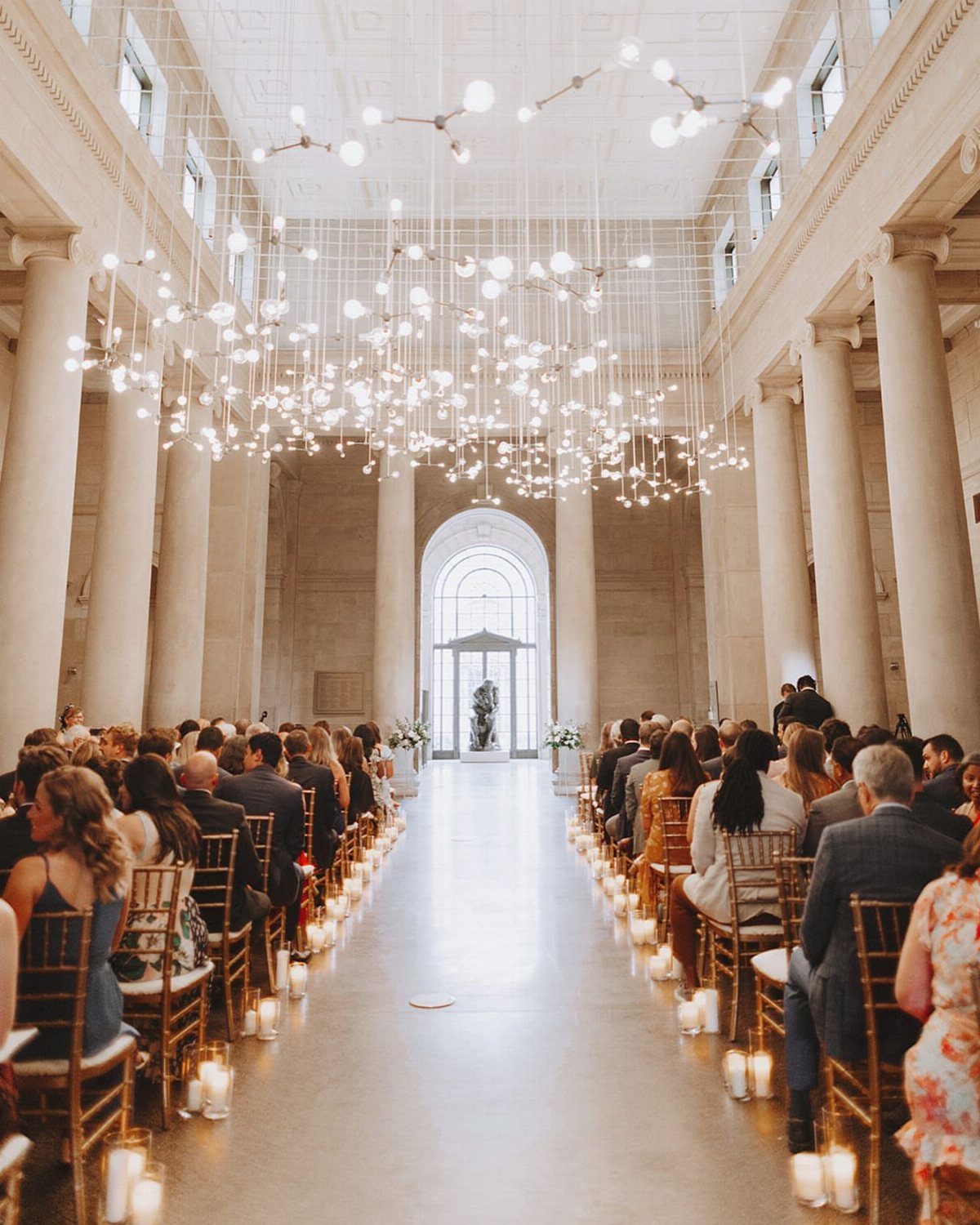
Lighting is the one thing I would plan around, since a grand room can feel dim without a few hanging globes or uplights.
Ask what the space allows: many cultural venues restrict open flames, confetti and where vendors can set up. Gold or neutral chairs sit quietly in rooms like this, so you can keep florals simple.
3. OdySea Aquarium
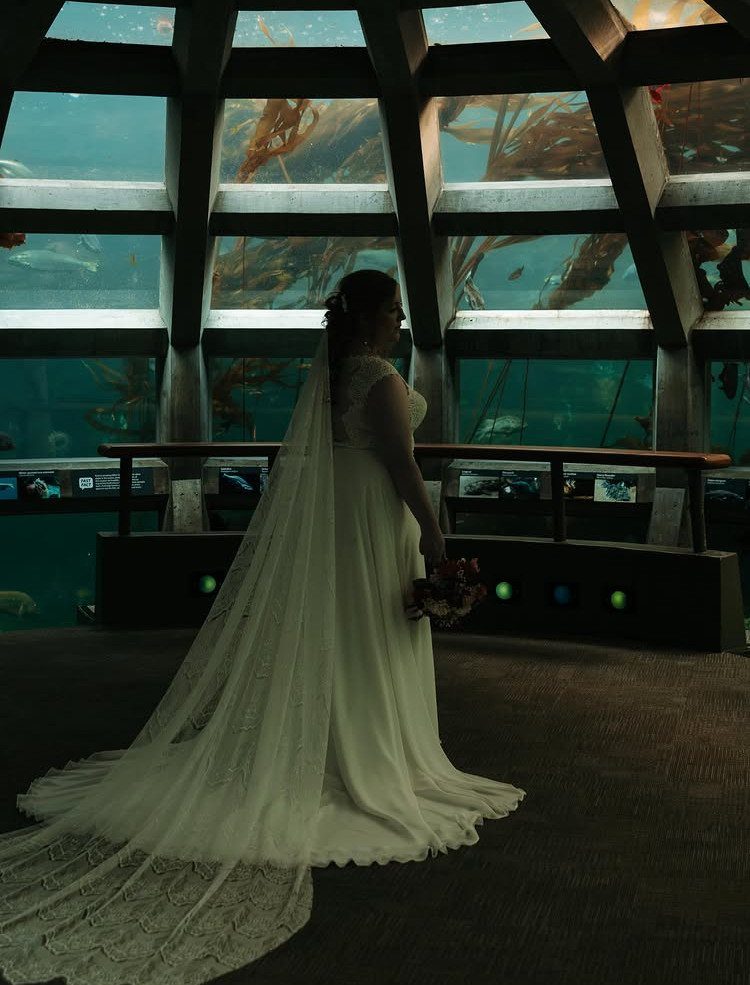
Getting married inside an aquarium tunnel puts the fish behind the bride instead of a floral wall. For couples who love animals, I would take that over almost any rented backdrop.
Ask early about ceremony hours, guest limits and where you can stand for photos, because public attractions usually have set rules.
A glass wall also makes a strong portrait setting, so keep the dress and veil simple and let the water supply the color.
4. Historic Venues
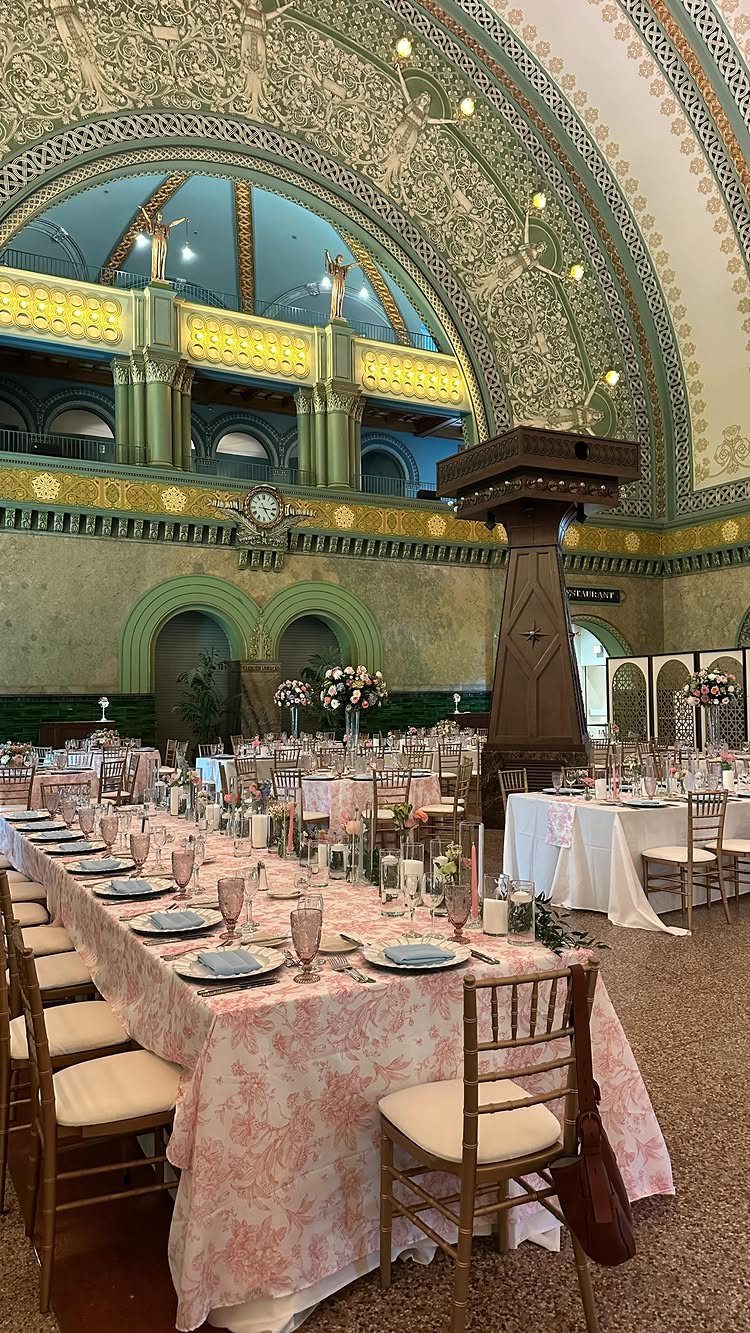
Ornate ceilings, columns and a grand banquet hall mean the room already looks formal before a single flower arrives. That is the real savings with a historic venue: you decorate less.
Keep your styling to the table.
Long tables with floral linens and gold chairs fit a room like this, and anything fussier competes with the architecture. Ask the venue about preservation rules, since older buildings often limit what you can hang, tape or light.
5. Barn Wedding Venues
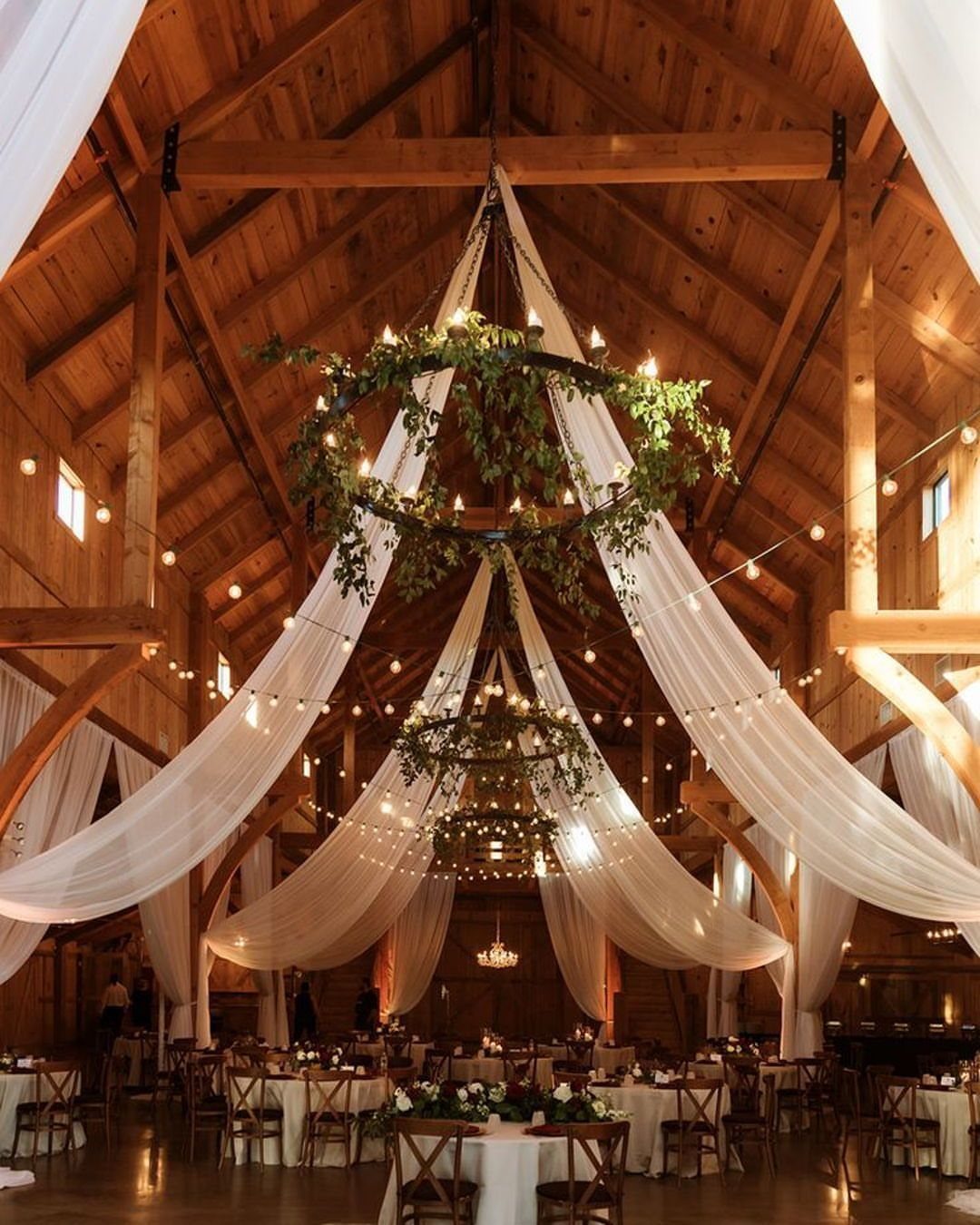
Wood beams, plain walls and plenty of open floor make a barn an easy room to dress. White fabric draping softens the rustic edges, and a floral chandelier gives guests something to look up at.
I like barns for couples who want a warm, relaxed feel on a modest budget. Ask what is included, since some barns are bare shells and you will rent tables, chairs and lighting separately.
6. Waterfront Venues
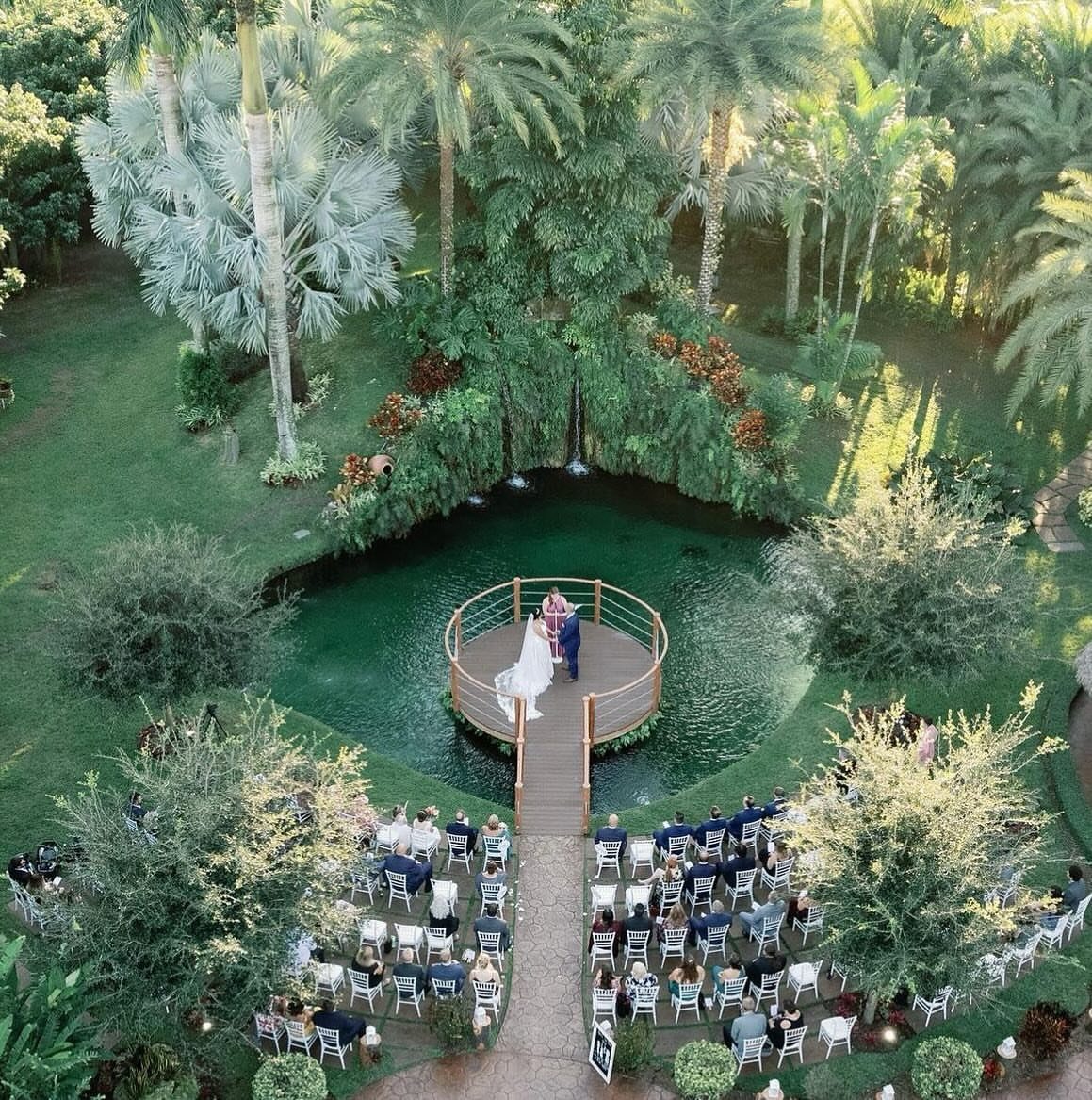
A deck over a pond or a lawn beside a lake gives you the view for free, and the water frames every photo without a single rental. Palms and greenery around a platform mean you can skip heavy flowers.
Plan for wind, bugs and sun glare near water, and ask how many guests the dock or deck can hold. If the ceremony sits on a platform, keep the aisle wide enough to walk without crowding the edge.
7. Themed Venues
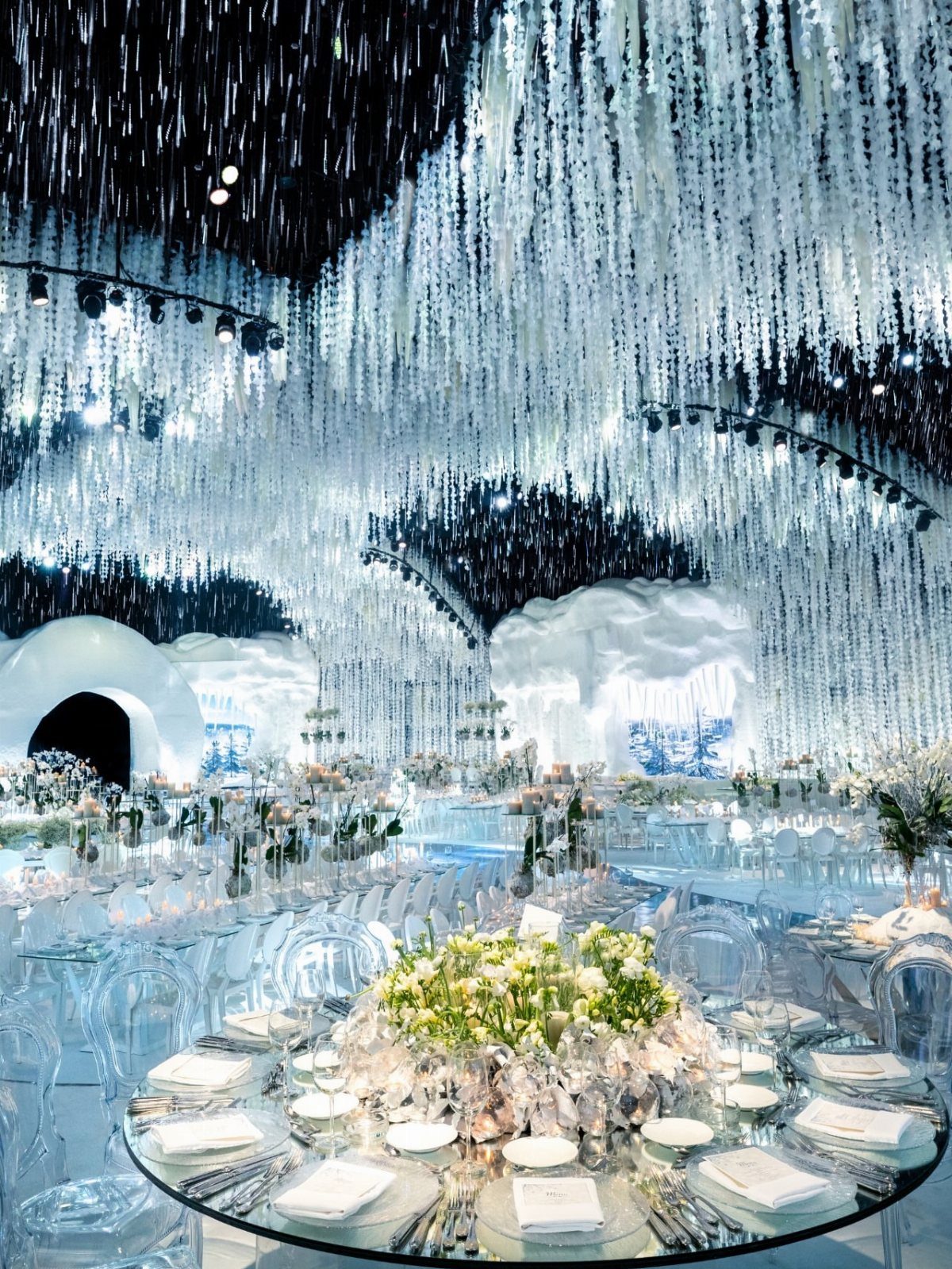
A themed venue commits to one look so you don’t have to build it.
Pick a theme you would still like in 10 years of photos. Ask what comes with the room and what you must bring, because a strong theme can clash with a color scheme you already bought.
8. Private Estates
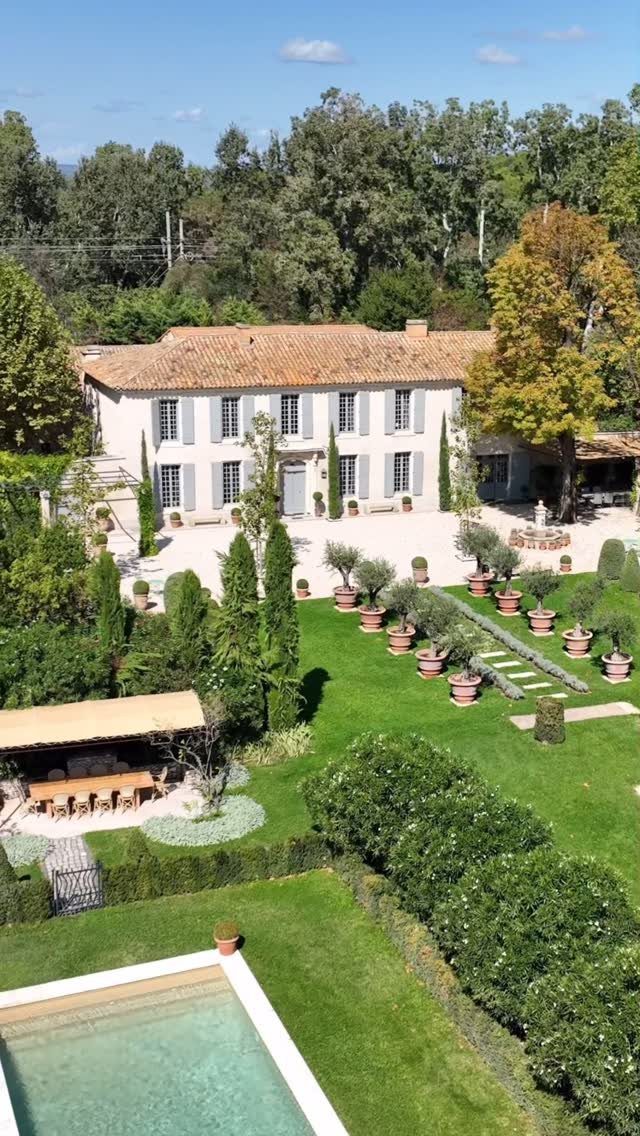
Renting a whole estate means no other event is running down the hall. A villa with gardens, a pool and an outdoor dining area gives you a ceremony, dinner and cocktail hour on one property.
I like this for couples with a mid-sized guest list who want the day to unfold at an easy pace.
Ask about overnight stays, caterer rules and the pool, since a pool near a party needs a plan for guests and drinks.
9. Glass Conservatory Venue
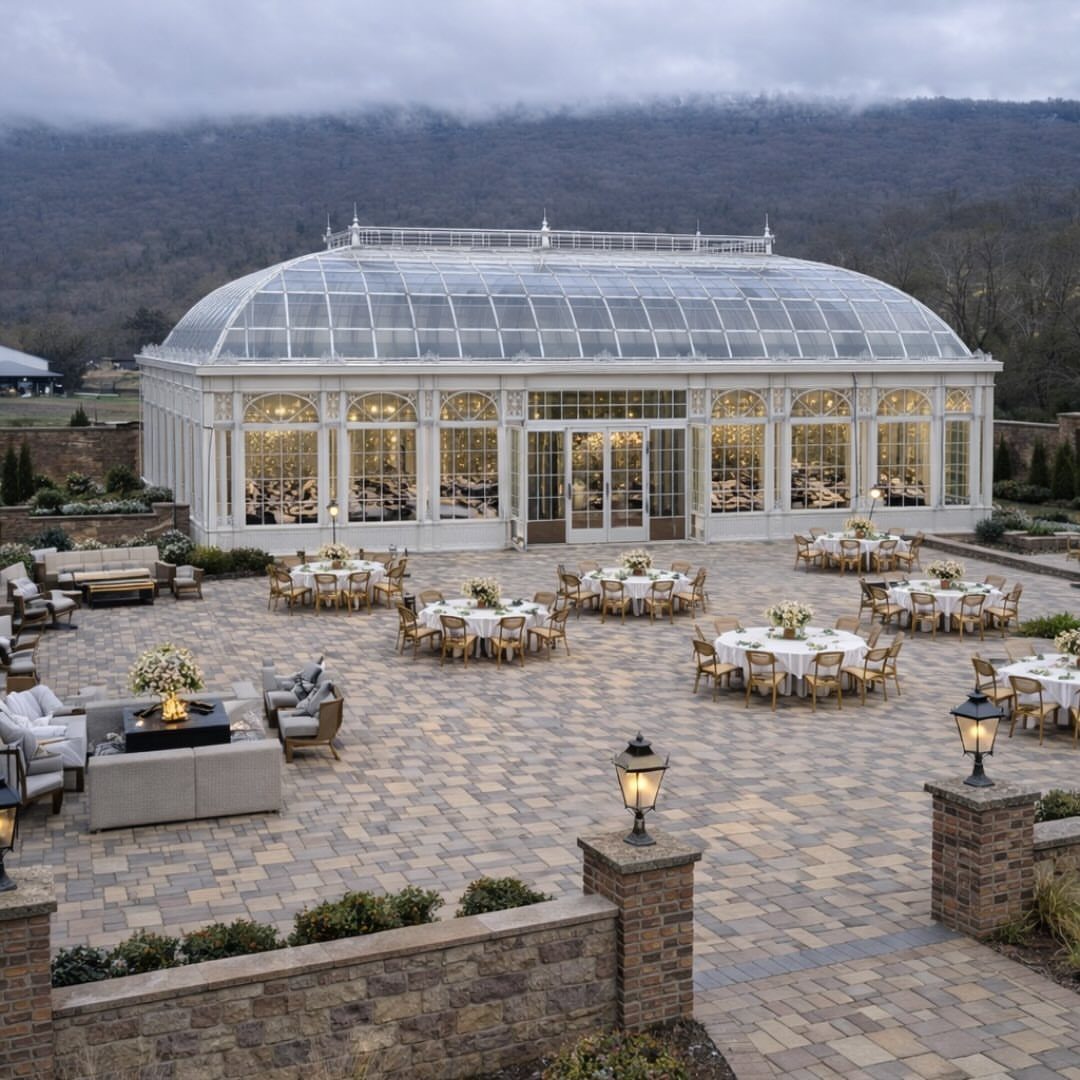
A glass conservatory lets you hold a dinner in daylight without worrying about rain. The patio tables sit outside while the building stands ready as shelter, which is a better backup than most tents.
Glass can run hot at midday, so ask about shade and cooling, and book the hour when the mountain light is softest. Keep centerpieces low so guests can see the view across the table.
10. Mountain Valley Terrace
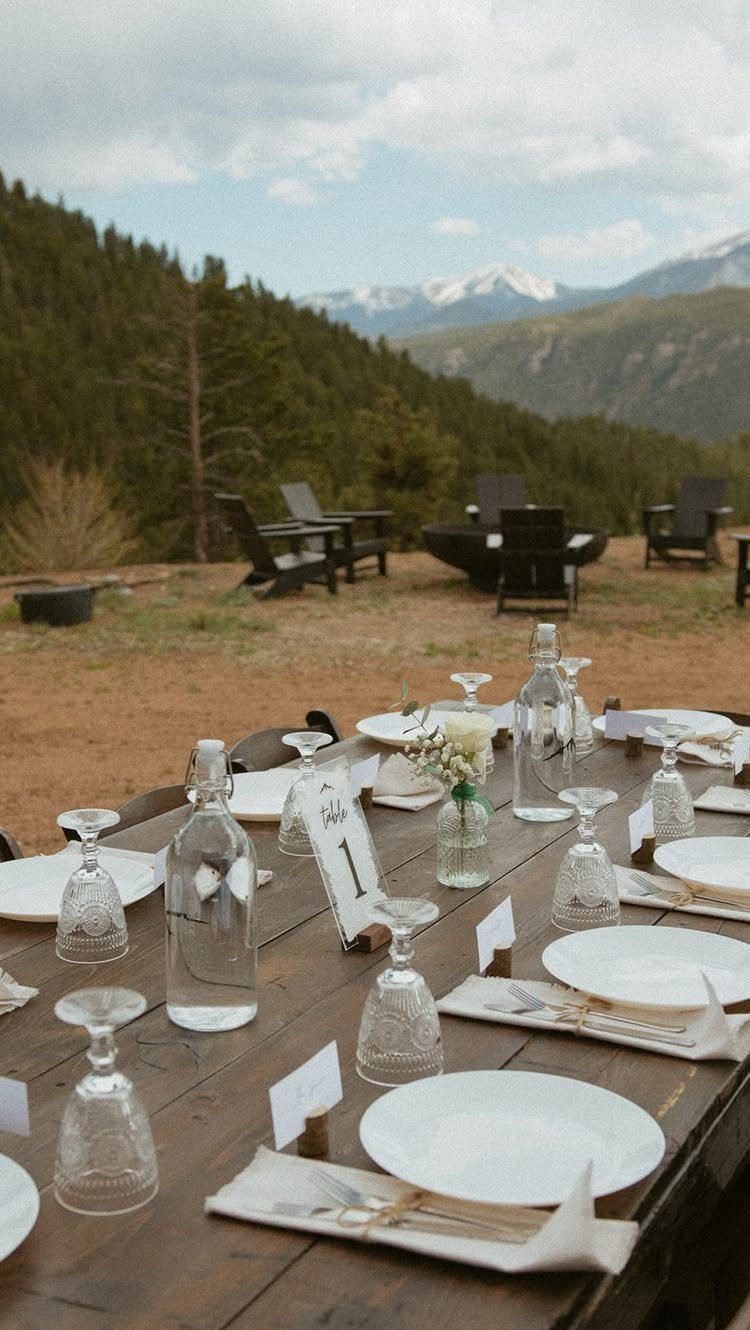
A grassy terrace above a valley gives you scenery and space, and one long wooden table keeps the setup simple. The creator describes it as a place where you are not rushed out after 4 hours of a rented ballroom.
That is the real draw: privacy, plus room to make it a weekend. Ask whether you can use the site for more than one day, and plan for wind and uneven ground under the table.
11. Luxury Tented Pavilion
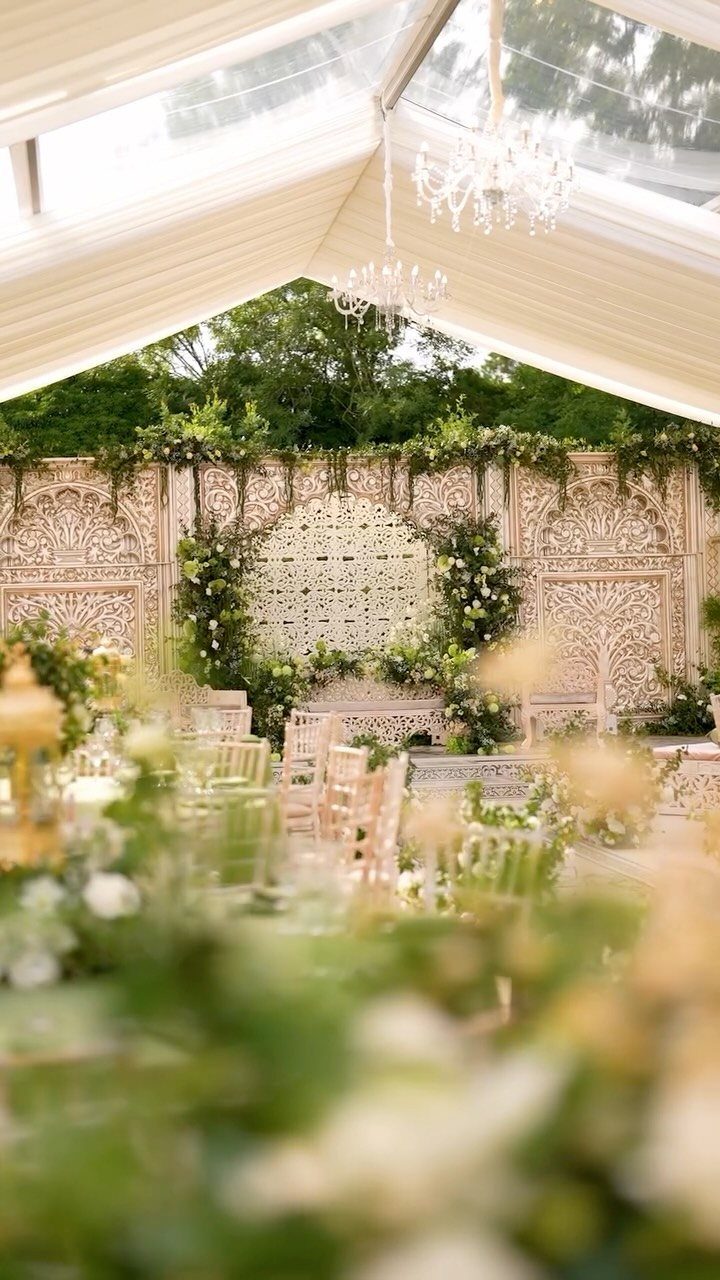
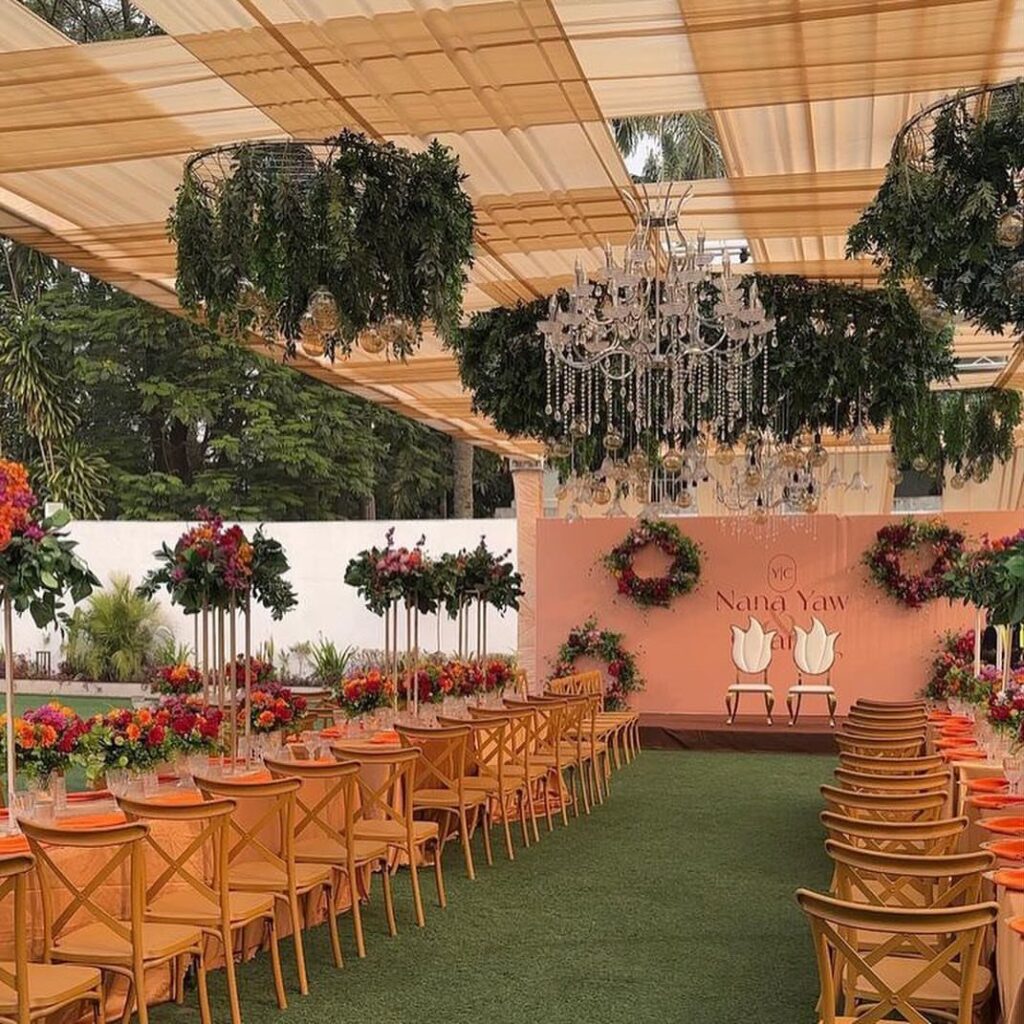
White peaked tents look best when you dress the inside like a room. Chandeliers, a carved backdrop and florals turn canvas into a formal ceremony space, and wooden chairs keep it from feeling temporary.
I would spend on lighting before anything else, since a tent has no ceiling to hide behind. Ask the rental company about flooring, power and who hangs the chandeliers, because those costs add up fast.
12. Backyard Weddings
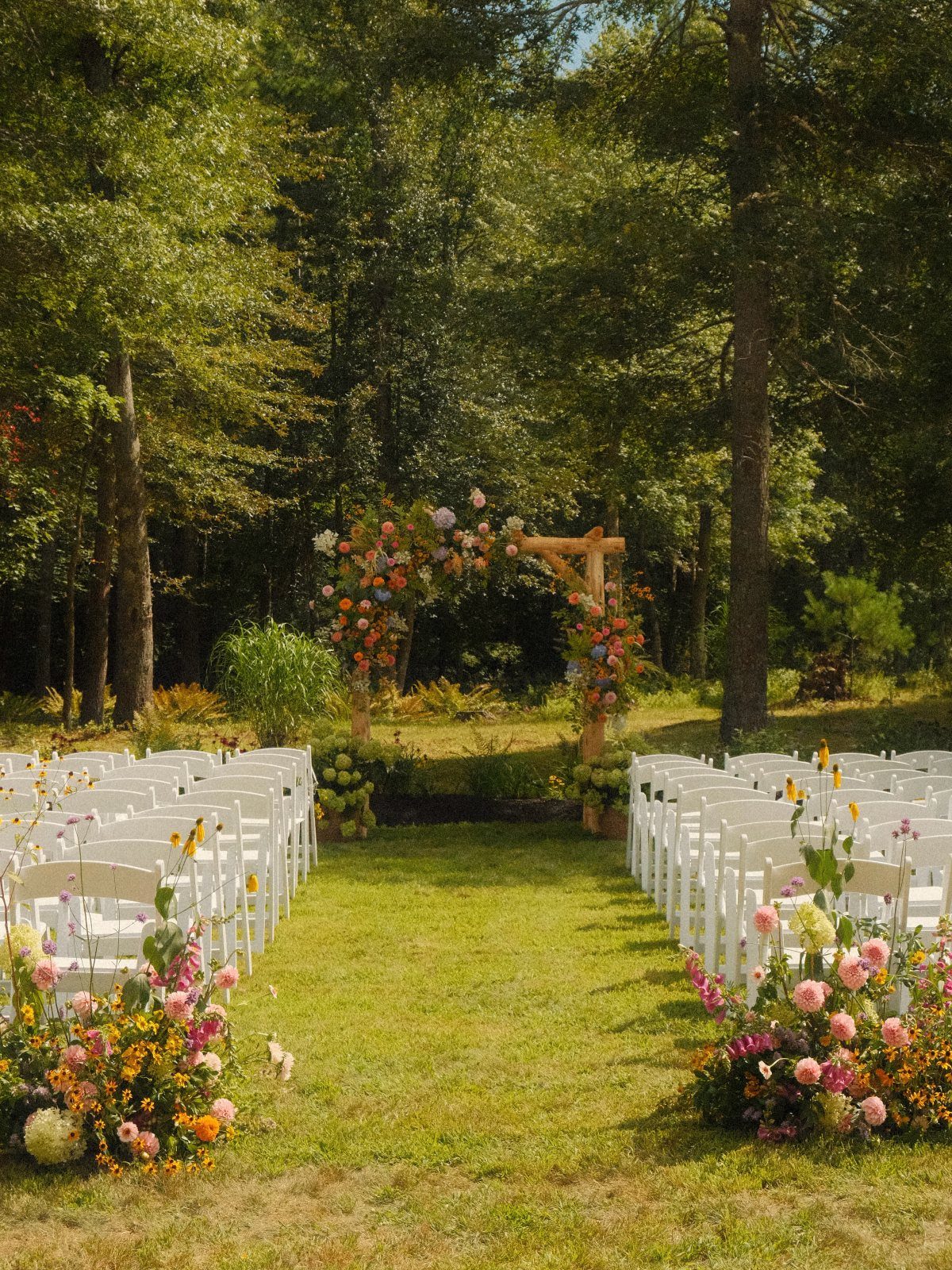
A backyard saves the venue fee, and that money can go to food or a good photographer.
Rent tables, restrooms and a tent if the yard lacks them, and check parking and noise rules with neighbors. I would choose a backyard for a small guest list; past that, the rentals start to eat the savings.
13. Cultural Institutions
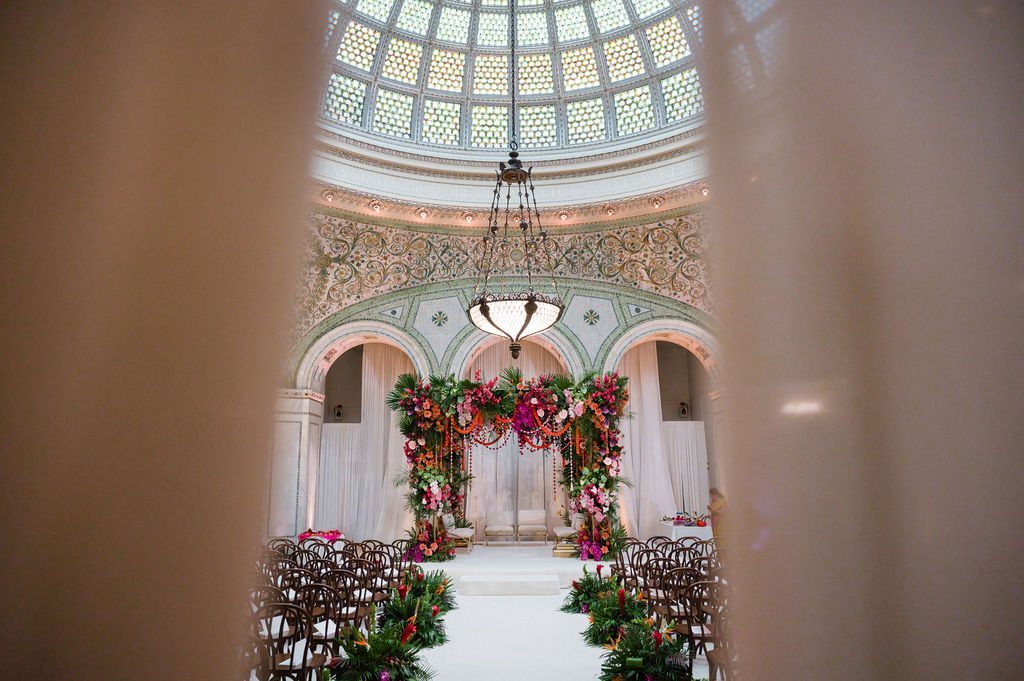
Cultural institutions like museums and historic halls often come with ornate ceilings, mosaics and chandeliers already in place, so a floral arch and simple chairs are all the decorating you need. Anything more competes with the room.
Ask what the institution allows before you book. Venues with artistic or historical weight often set rules on vendors, flames and what can be hung, and a short list of limits now saves a redesign later.
14. Event Spaces
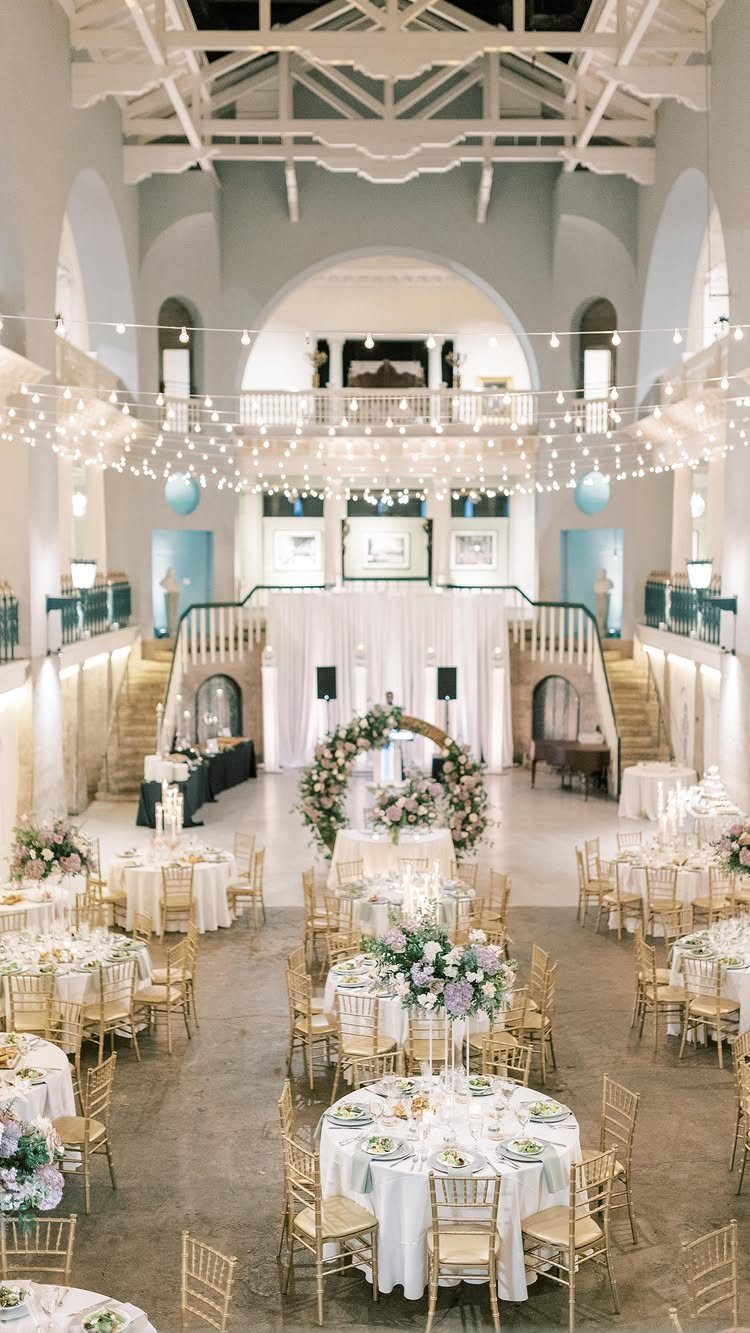
A plain hall becomes a wedding room with soft, cheap layers: round tables, string lights, a white fabric backdrop and a floral arch. That is why I like event spaces for couples who want control over the look.
Ask what the rental covers: tables, linens, lighting and setup time. A high ceiling swallows small decor, so put your money into the arch, the centerpieces and the lights overhead.
15. Intimate Venues
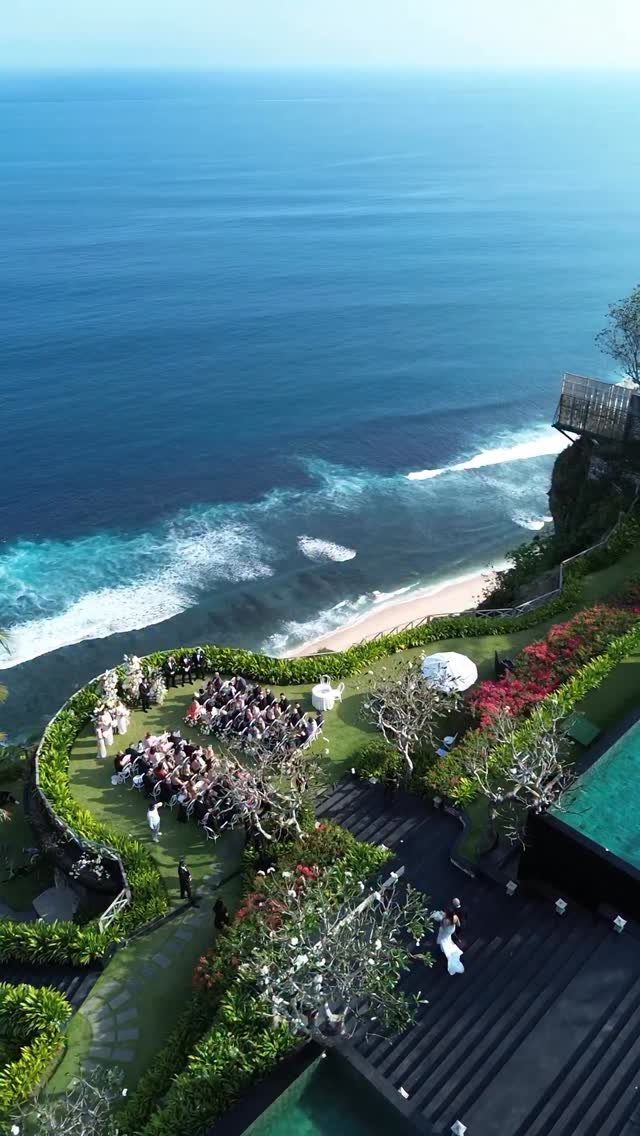
A guest list that size also lets you spend on the setting instead of on chairs and catering for 150.
Bring a plan for sun or drizzle, since a single umbrella at the front covers almost no one and a cliff lawn offers no shelter.
Ask the site how many guests it permits and whether you need a permit for an open-air ceremony.
16. Unique Indoor Venues
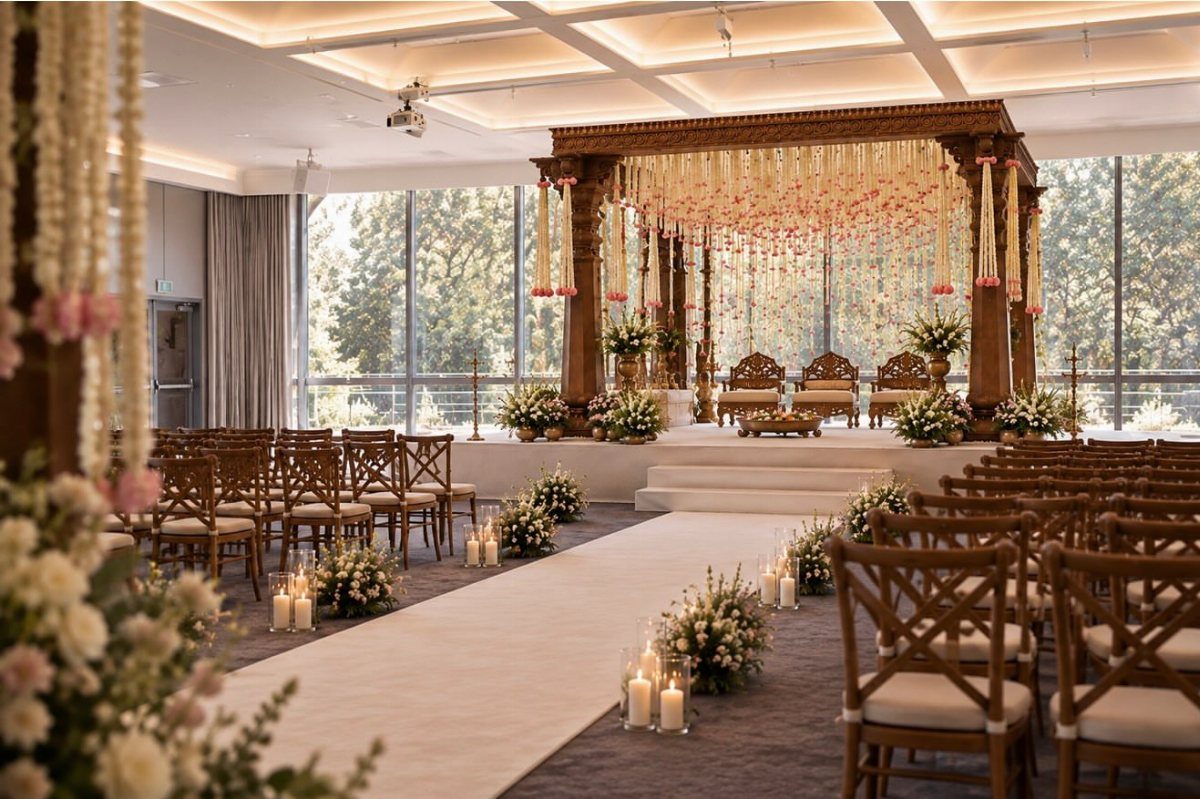
Large windows and a carved wooden mandap give an indoor room its own focal point, so you skip the usual arch. The white aisle runner keeps the floor clean and draws the eye forward.
Check ceiling height and floor rules before you move a mandap in, and ask who can carry and set it up. I would keep chairs and florals plain, because the carving and the tree view already fill the room.
Budget-friendly Options
Before you look at a single venue, rank food, music, atmosphere and photography, because the order you pick tells you where the money goes first.
Whatever lands last gets the smallest share of the budget, and that one decision settles most arguments later.
Cutting guests saves more than any decor swap, since every head adds a meal, a chair and a drink. Timing matters nearly as much: brunch receptions and weekday events often cost noticeably less than a Saturday night.
Community centers are worth a look because many already have tables, a sound system or a catering kitchen. Each of those is a rental you skip.
One big floral moment, like an arch or a long table runner, reads better in photos than a dozen small vases and costs far less.
A local musician or a solid DJ runs well under a full band, and I’d spend what you save on lighting.
Venue Selection Tips
Pick the venue first. Everything else, from the date to the caterer, gets set around it, so it deserves the earliest decision.
Match the room to your relationship’s tone. An industrial loft gives you open floor and raw brick or concrete, which makes it easy to dress with flowers, fabric and good lighting.
Ballrooms and private dining rooms usually bundle in the catering and the service staff. If you want a calm, green backdrop for photos, look at garden courtyards and vineyards.
Hybrid spaces are worth a tour.
Think about your crowd. Older guests will want comfort, easy access and somewhere to sit, while younger friends may enjoy something less conventional.
Planning Timeline
Book 12 to 18 months ahead if you want a popular date. Fall is the clearest example: October Saturdays at waterfront estates, mansions and historic garden properties often go before many couples have started looking.
Check availability before you fall for a room, and ask whether the venue offers a date hold. Ask for a hold, which keeps your date reserved while you settle the budget talk.
If your heart is set on a peak Saturday, start touring early. If you can bend, a different day of the week or a different month widens your options quickly.
Frequently Asked Questions
Where is the cheapest place to host a wedding?
Hosting at home costs the least, since there’s no rental fee at all, and the savings can go toward a better caterer or a photographer you actually want.
Keep the guest list small, though: once you add rented tables, portable restrooms and a tent, a larger crowd can erase most of what you saved.
Community centers come close behind, because the tables, sound system and kitchen are often included, and each of those is one less rental on your invoice.
What are the best wedding venues?
The best venue is the one that matches your style, budget and guest count.
A barn gives you a warm, easygoing room without a big price tag, while a historic hall or museum comes formal on its own and needs very little decor.
A waterfront site supplies the scenery for nothing, and a blank-slate event space is the pick if you want to shape the look yourself.
How much does a wedding venue cost?
Costs vary with location and amenities. One rental marketplace puts the average wedding reception venue at $291 per hour, with smaller spaces closer to $235 and larger ones around $414.





