The list covers 14 items, from a 2–3 hour photographer arrival window to a single-song grand entrance at 6:00 PM, and the order depends on one fact: how long hair and makeup takes for your whole party.
Hair and makeup runs longest, so it goes on the schedule first, and breakfast, getting dressed, the first look and the rest of the morning get built around it.
A bigger wedding party stretches hair and makeup, and the transportation time between stops grows right along with it.
1. Bridal Portraits
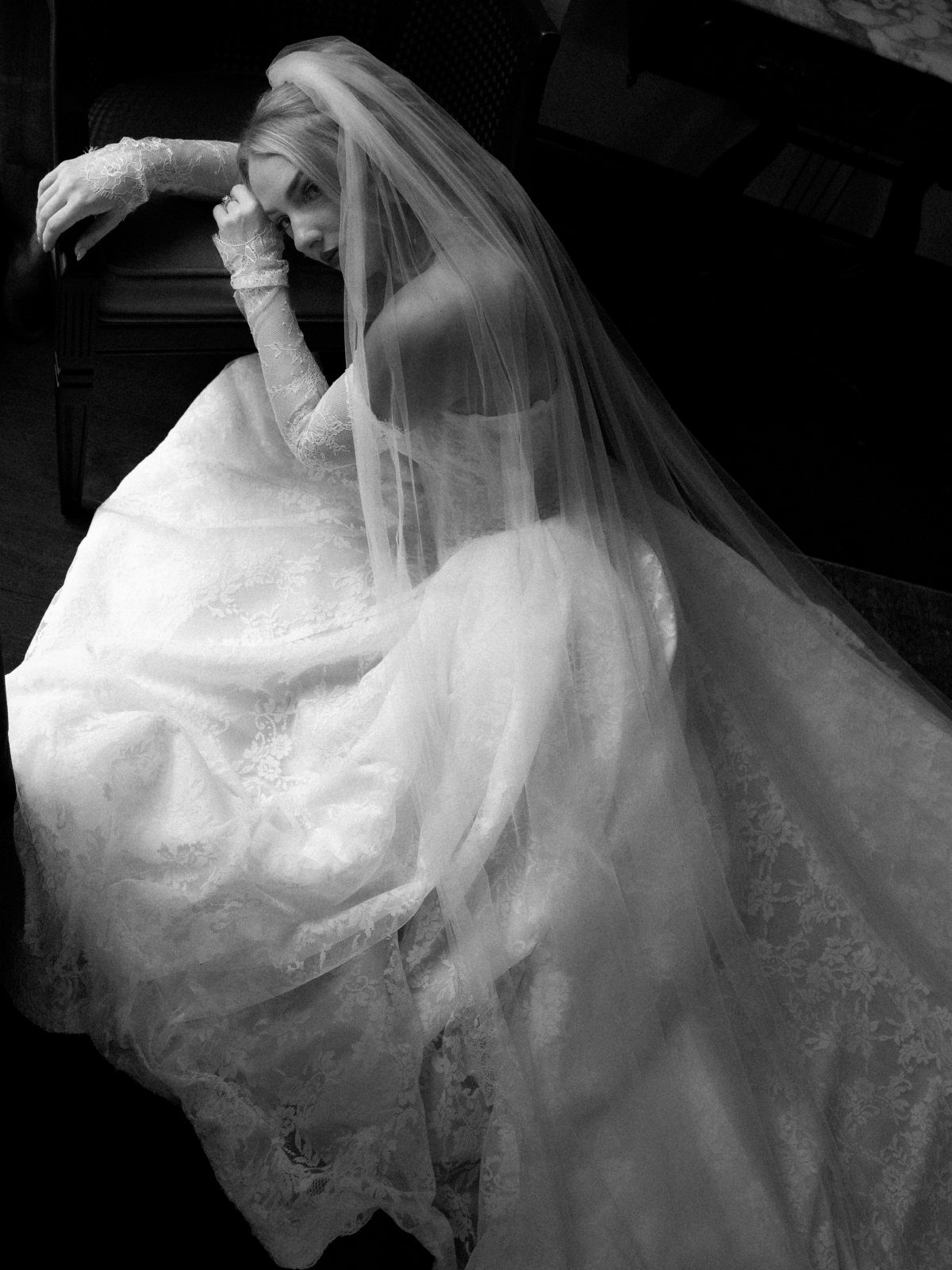
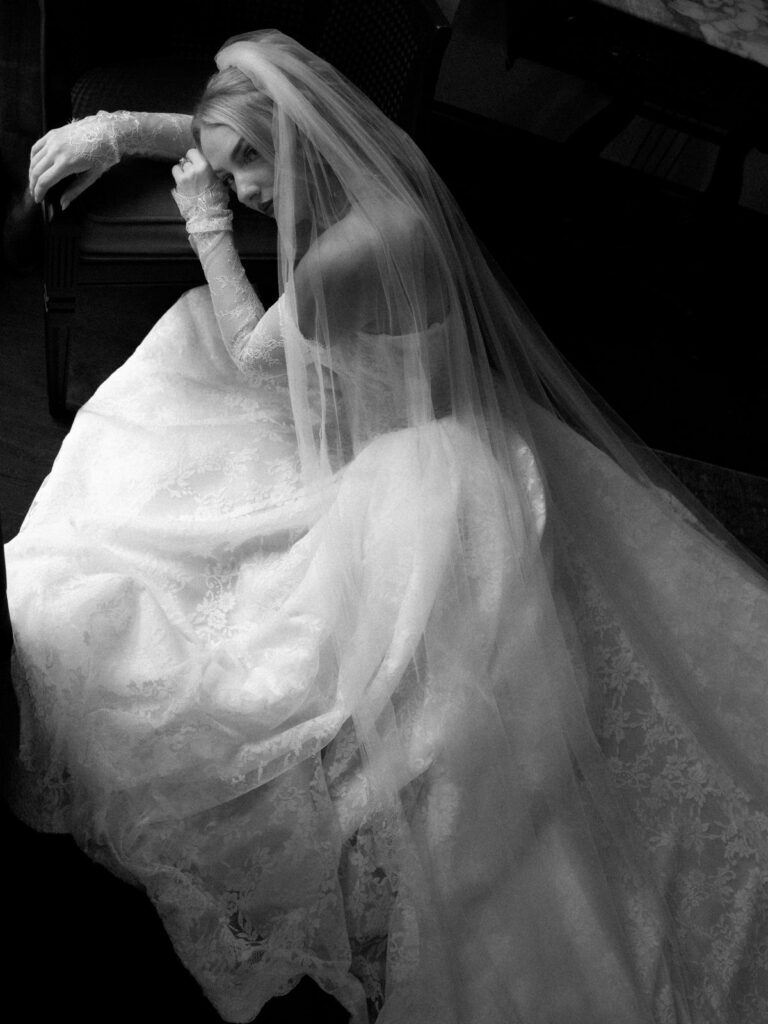
Bridal portraits belong early in the morning, once the dress and veil are on and before anything gets mussed.
A quiet corner with a dark chair needs no travel and no extra setup, and it gives you a clean portrait backdrop right where you are getting ready.
Leave a buffer between finishing the dress and the next photo stop, so buttons, veil and bouquet get handled without anyone watching the clock. Black and white hides uneven window light, so the room doesn’t have to be perfect.
2. Grand Entrance
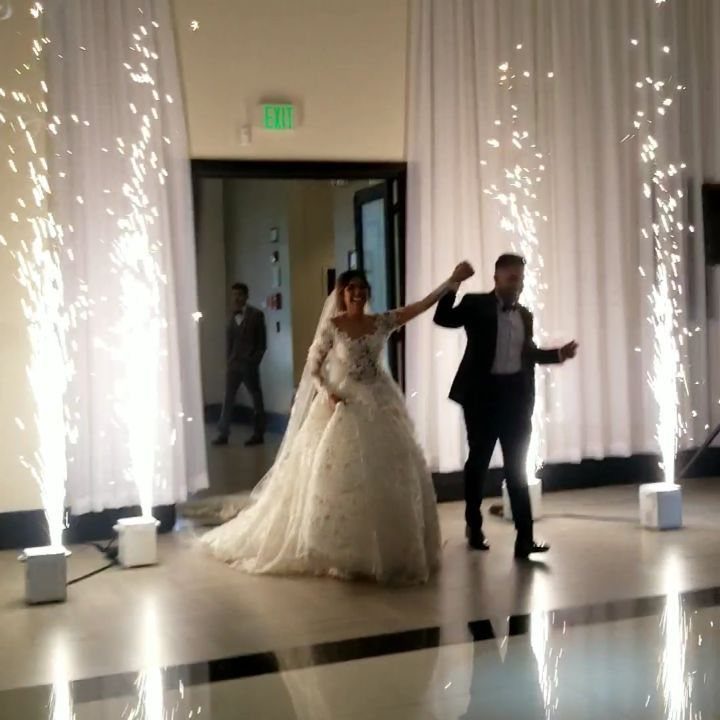
Plan for the couple to walk into the reception at 6:00 PM, with dinner service starting right behind them. Tell the venue and the DJ that time ahead, because the kitchen has to plate on cue.
A sparkler entrance like this one is a nice add-on, but ask the venue first, since indoor fireworks of any kind often need approval. Check where the exit signs and sprinklers sit.
Keep the entrance to a single song so the food stays hot.
3. Hair and Makeup
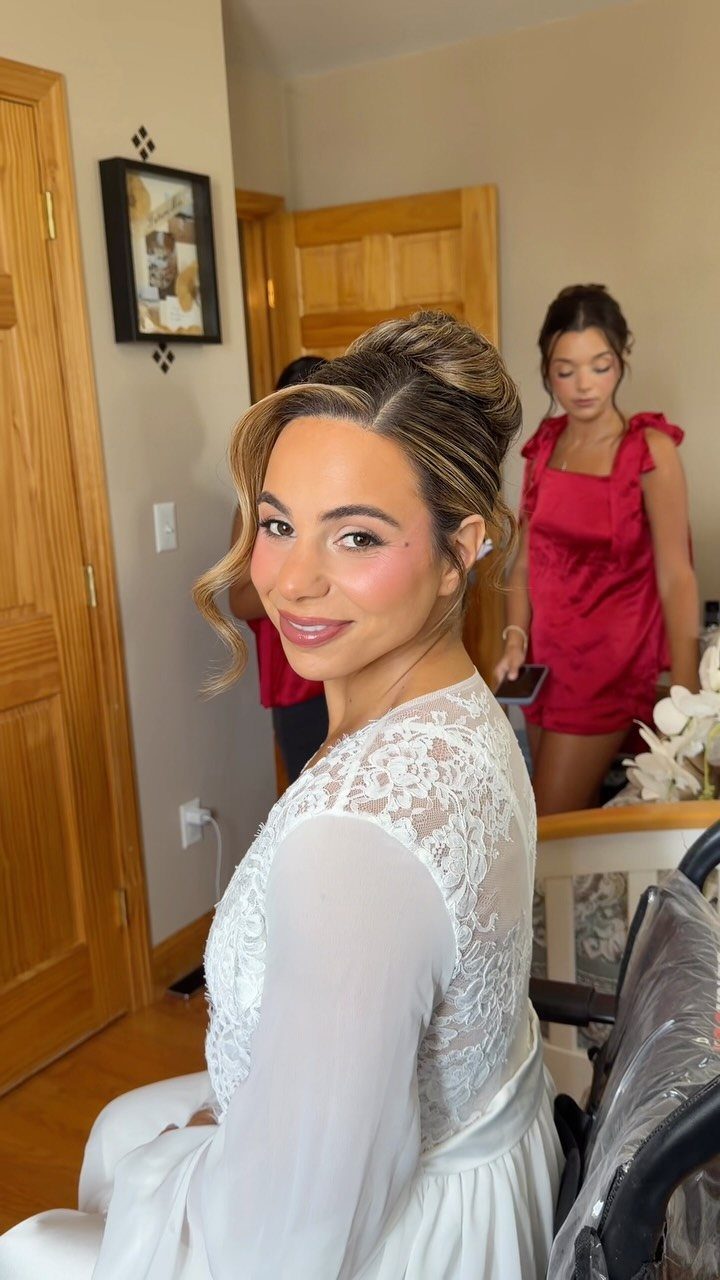
Hair and makeup is the longest block of the morning, so it gets scheduled first and everything else is built around it.
Ask your stylist how long each person needs, then add them up and book the earliest slot for whoever takes longest.
Plan on the whole party staying in robes or button-up shirts until the last touch is done, so nothing smudges or snags on the way to the dress. A button-up robe means nobody pulls anything over finished hair.
4. Transportation Time
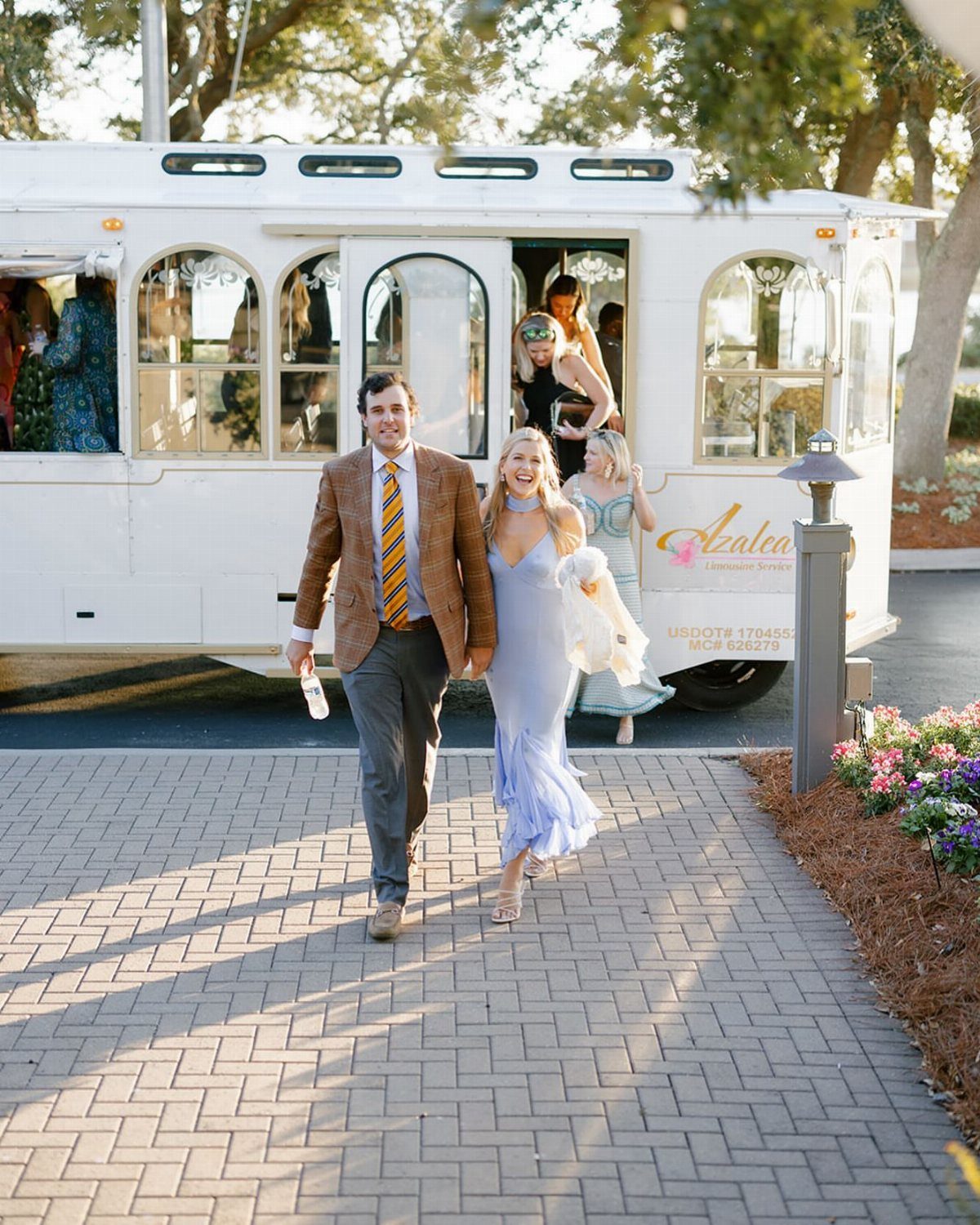
Travel between venues is the part of the morning most couples guess at, and a wrong guess pushes every photo back. Look up the drive for the actual day and time, then pad it.
A trolley like this one is slow to load and slower to unload, so I add extra minutes for a full group.
Build in time for dress logistics too: a gown takes longer to get in and out of a vehicle than a suit does.
5. Wedding Party Photos

At 2:30 PM, pull the whole wedding party together for group photos. A big wedding party needs room, so pick a lawn with trees where everyone can line up without crowding.
Give the photographer a shot list in advance, so each grouping moves quickly: everyone first, then smaller combinations.
Tell each person the exact time to arrive, and make it earlier than 2:30 PM. Latecomers cost more time than any other problem here.
6. First Look
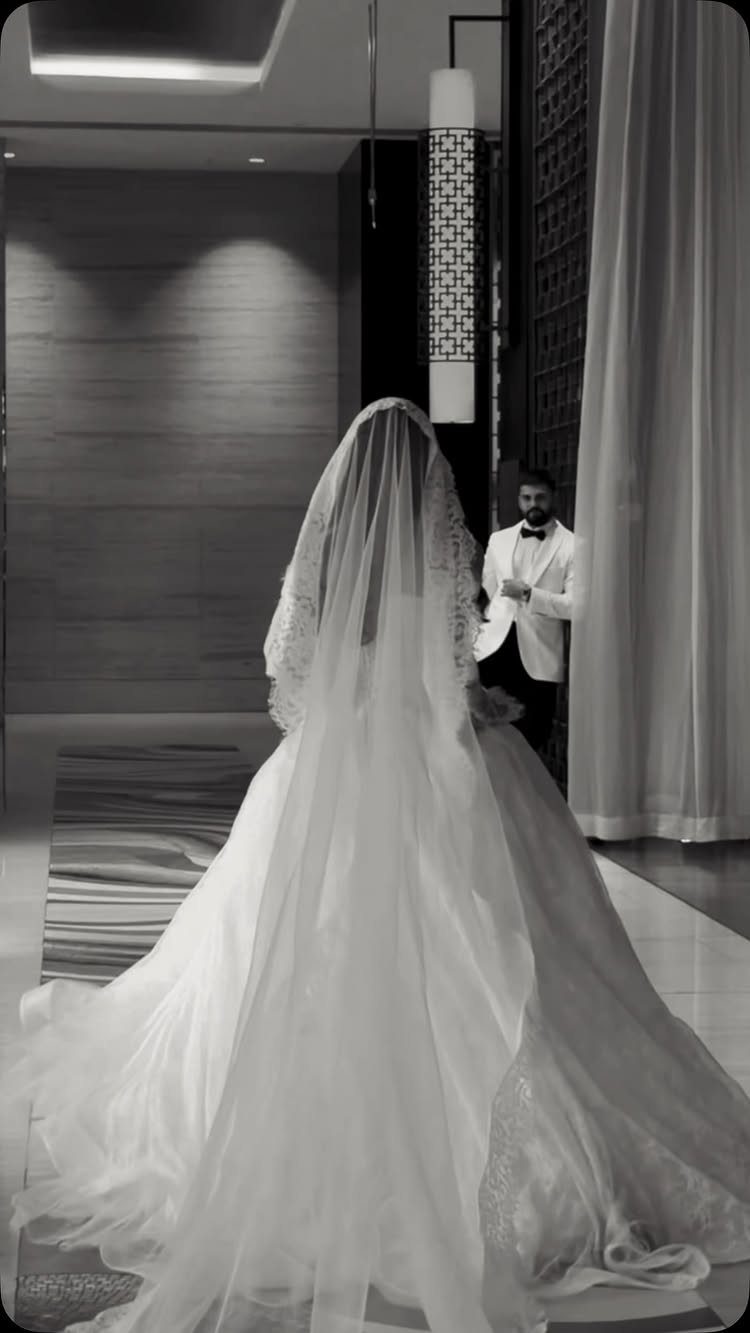
Before the ceremony, a first look gives the couple a private moment together, with no guests around. I like it for a tight timeline: the portraits can happen right then, so cocktail hour isn’t swallowed by photos.
Schedule it after the bride is fully dressed and before the wedding party photos.
Pick an indoor spot with soft light, and give the moment enough time that neither of you feels rushed. Tell the photographer where each of you will stand.
7. Eating Breakfast
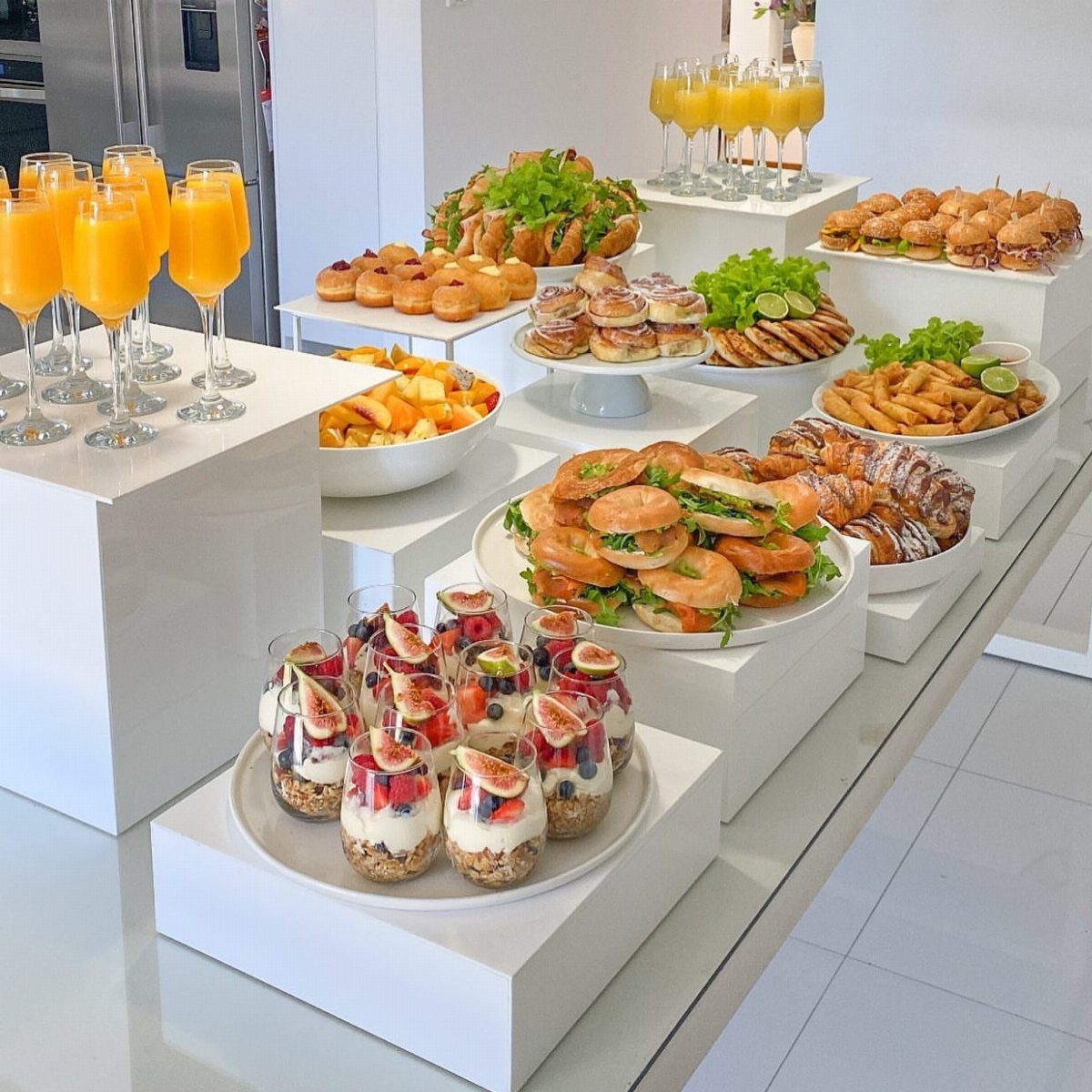
Breakfast goes on the schedule before hair and makeup starts, so nobody sits in the chair hungry.
Choose food that can be eaten with fingers or a spoon and won’t stain a robe. Put the time on the timeline, because mornings with no meal planned often end with no meal at all.
8. Cocktail Hour
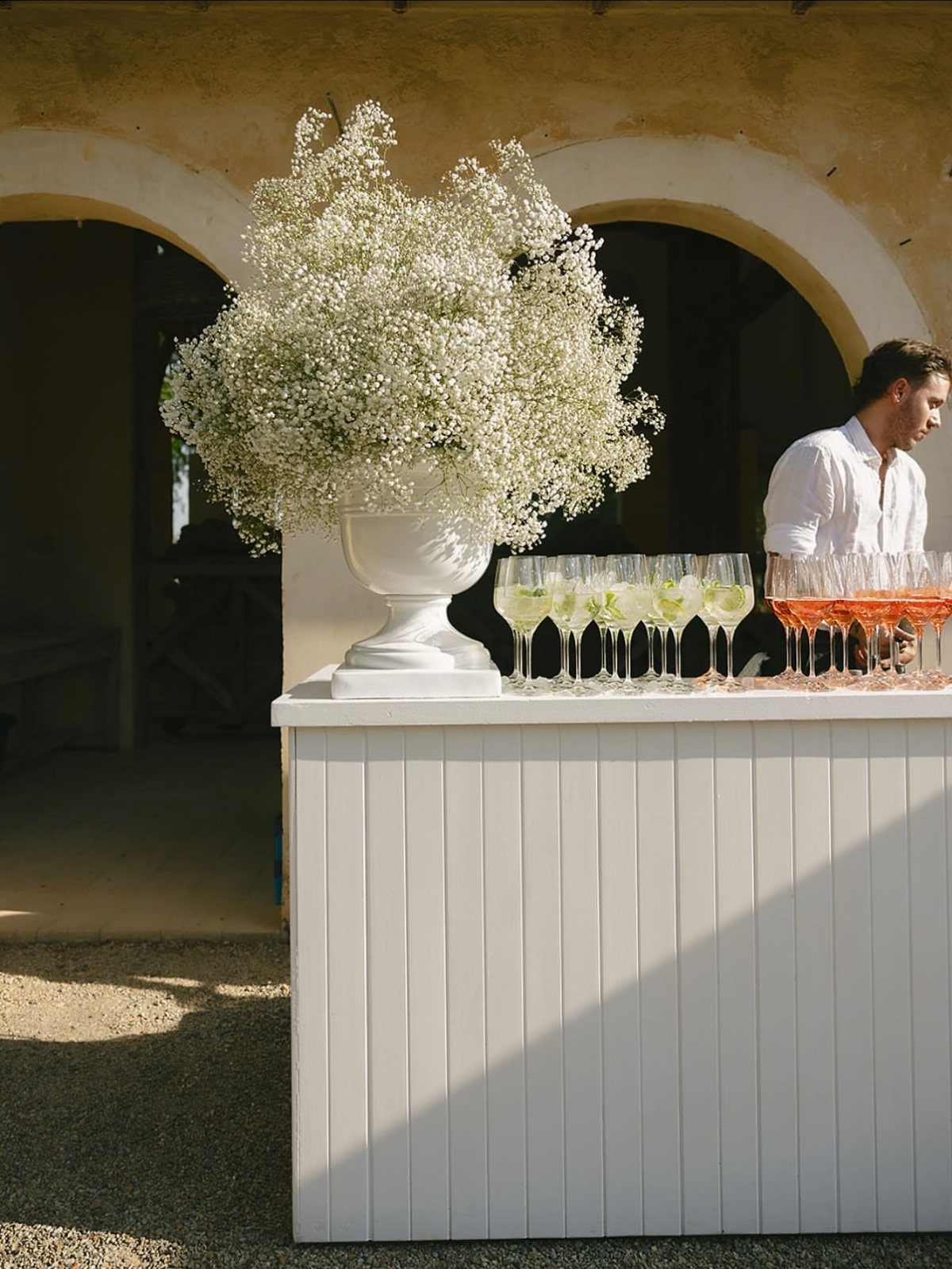
Cocktail hour is the buffer that lets guests mingle while the couple finishes photos. I’d keep the drink menu short: a bar with rows of colorful cocktails looks generous, but a few signature drinks pour faster than a full list.
Put the bar where guests see it as they arrive, and start the hour right after the ceremony ends. Tell the bartender the time so the first drinks are ready when the first guests walk up.
9. First Dance
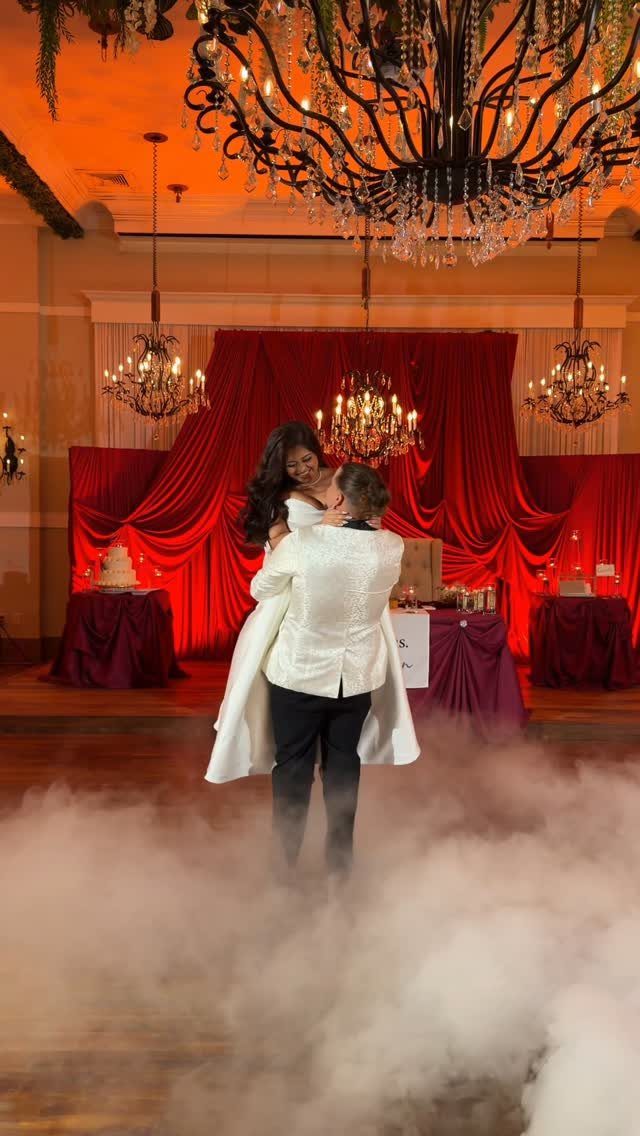
Slot the first dance right after the grand entrance, before dinner is served or just after it, and tell the DJ which. Settle that with the venue in advance so the floor is clear and the lighting is set.
Choose one song and have the DJ cut it where you like. Fog on the floor, as in this ballroom, is a venue question, so ask whether it’s allowed before you count on it.
10. Get Dressed
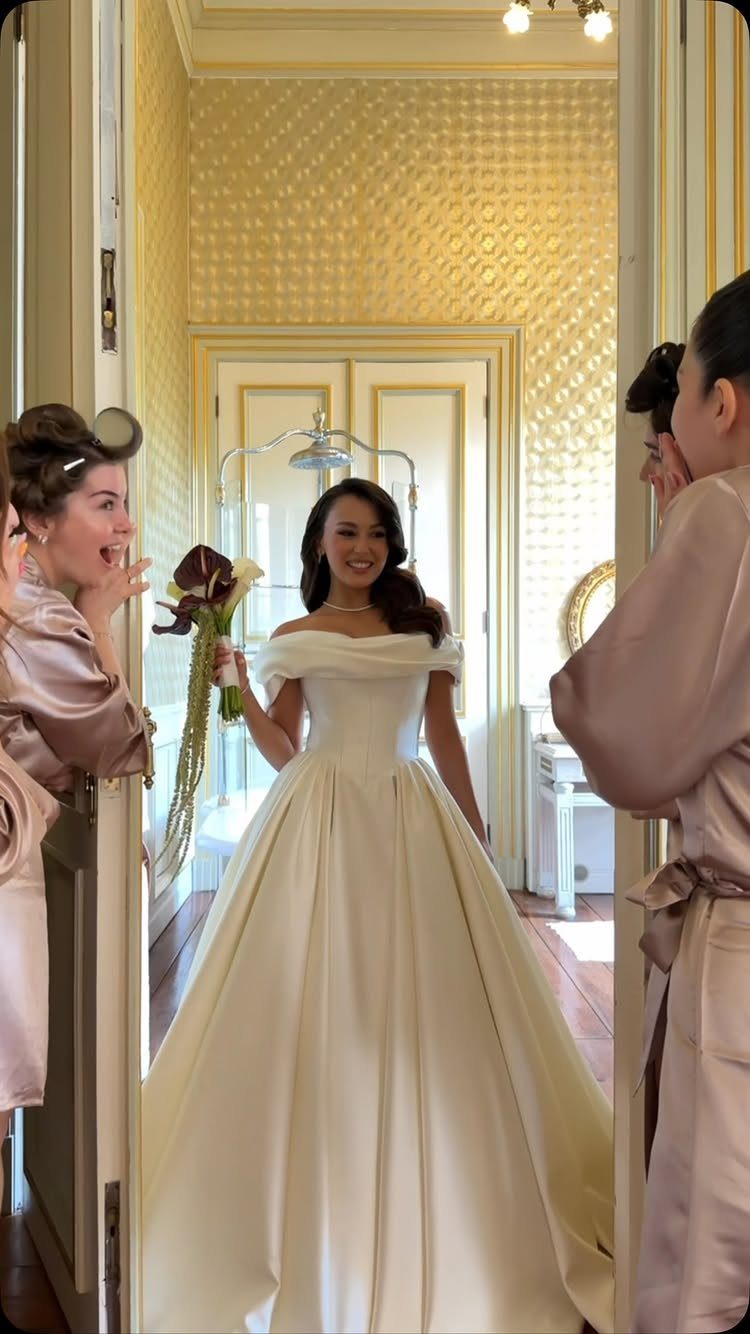
Getting dressed comes after hair and makeup, never before. A full ballgown with an off-the-shoulder neckline needs a helper or two, so plan on bridesmaids in robes staying nearby to lace, button and fix the skirt.
Start earlier than seems necessary, since the gown is the step that can’t be hurried. Keep the flowers in reach, and have them handed over only once the dress is fully on.
11. Detail Shots
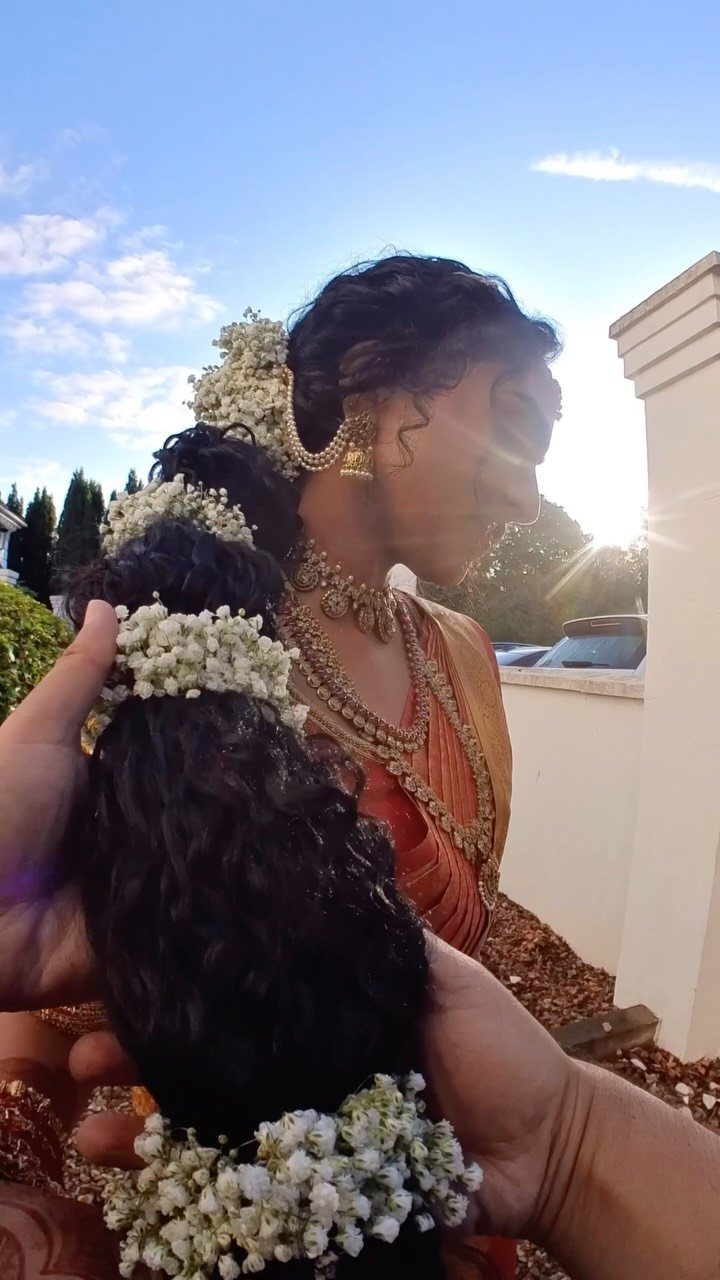
Detail shots belong in the quiet stretch while hair and makeup wraps up, since the details are all in one place.
Lay out the jewelry, shoes, invitation and rings together, and hand them to the photographer early. I’d schedule these before the dress goes on, when nobody is waiting on you.
Vendor Coordination
Every vendor should get the full day’s schedule, not just their own arrival time. A DJ who sees when dinner starts and a florist who sees when guests arrive will plan their own work around those moments.
Arrival times differ by role. Florists and decorators can start the moment the venue lets anyone in, so ask for that exact time in writing.
Plan on 2–3 hours for the caterer to set up before the first plate goes out; a DJ or band needs 1–2 hours of lead time, enough to load in gear and run a sound check.
Your photographer should be where you’re getting ready, usually 2–3 hours before the ceremony.
Talk to each vendor early, so their needs are settled before the timeline is final. A photographer will ask for a set amount of time before the ceremony, and a caterer needs the exact minute meal service begins.
Timeline Flexibility
Small gaps eat more time than big events. Walking between locations, gathering family, bustling a dress, waiting on a ride and greeting guests all run longer than couples expect.
I’d treat those gaps as scheduled items with their own minutes, instead of hoping they vanish between the bigger blocks.
If your budget allows, extra photography coverage is one way to buy that slack. Most couples find it gives a calmer pace and less stress, though a shorter timeline can still work for a smaller celebration.
When the day runs late, a padded schedule absorbs the delay. A tight one pushes it onto your reception.
Wedding Day Importance
A timeline shapes how the day feels, not just when things happen. A schedule packed too tight puts stress on everyone, while one with real breathing room lets the day move on its own.
Schedule a few quiet minutes on purpose. Give yourselves time to breathe before guests arrive, and put it on the timeline like any other item.
Use the pause however suits you: hand your partner a private note, steal a minute with family, or simply stand and look at the venue. Those pauses often turn into the moments couples remember best.
Frequently Asked Questions
What is the typical timeline for a wedding?
Plan on 5–6 hours from the start of the ceremony to the end of the reception, with cocktail hour and dinner sitting in between.
Anything past 6 hours tends to feel long to guests. Receptions alone usually take 4–5 hours, including dinner, toasts and dancing.
How early should I start getting ready on my wedding day?
Plan on starting at least 6 hours before the ceremony. Hair and makeup takes up most of the morning, so book it first, total the minutes each person needs, and put the slowest one in the earliest slot.
Schedule breakfast ahead of that, because nobody should sit in the chair hungry.
Should I do a first look?
A first look is optional, but I like it for a tight timeline.
Shooting most portraits before the ceremony keeps photos from swallowing your cocktail hour. A traditional aisle reveal works too; it just moves more portraits to after the ceremony.
What happens if we run behind schedule?
Extra minutes built into the schedule soak up a delay; a tight schedule hands it straight to your reception. A planner or venue coordinator can also reshuffle the timeline while the day unfolds.





