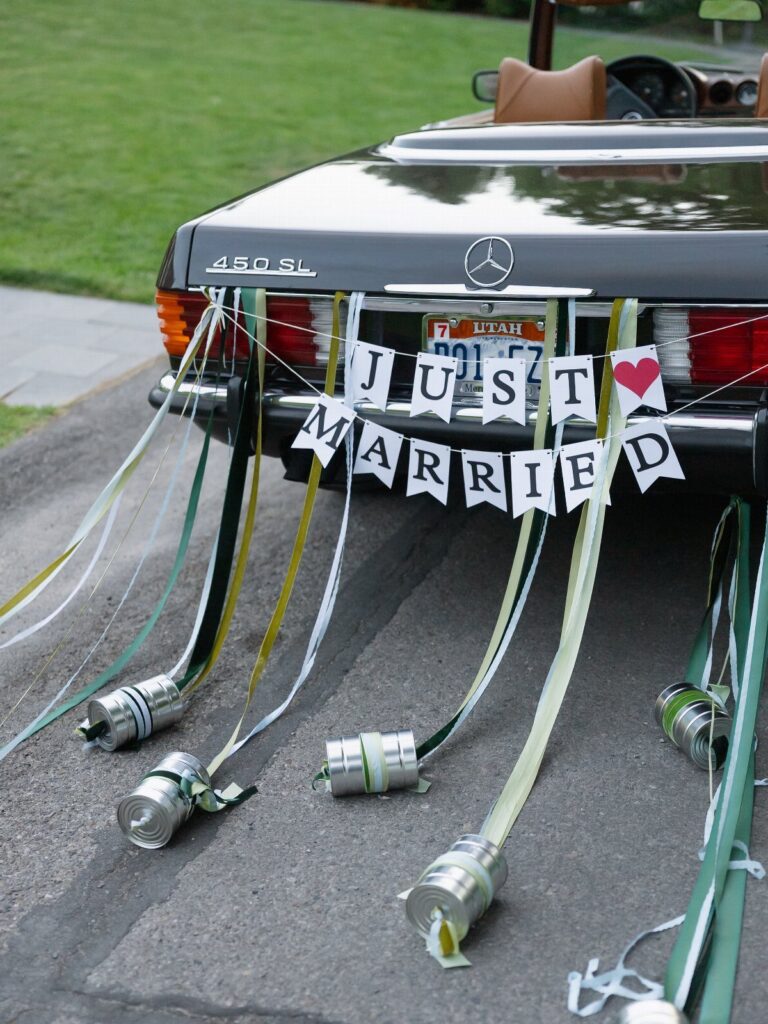
A budget can be as simple as one spreadsheet with estimated and actual columns, and the choice between a plated dinner and a buffet is one of the biggest line items on it, along with easy-to-forget costs like the getaway car.
Start with the only figure that counts: the cash you can actually put toward the day, whether that is savings, income, or gifts from family and friends.
That total is the ceiling, and splitting it by percentage means the same plan holds at $20,000 or $40,000.
1. Wedding Budget Spreadsheet
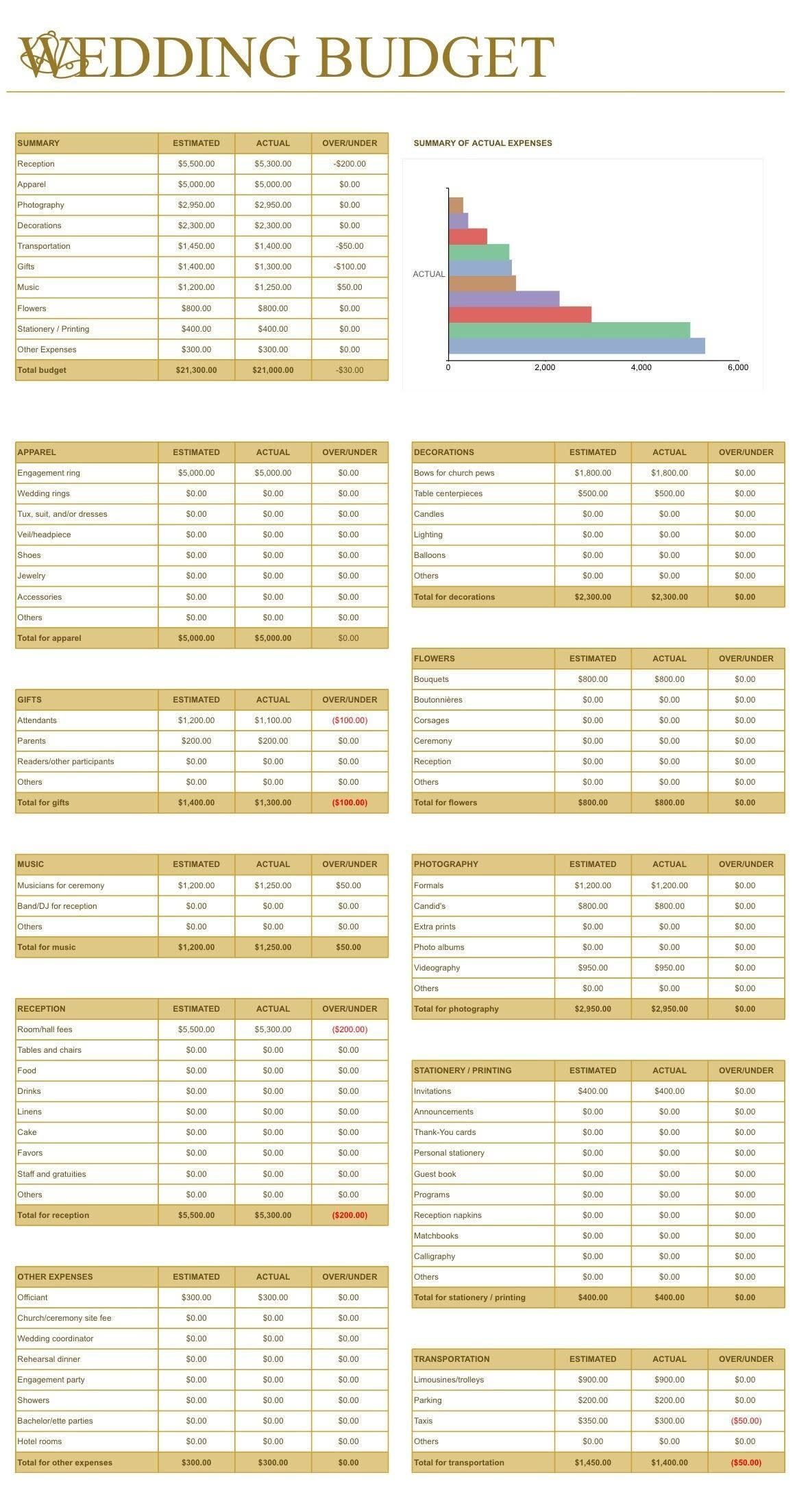
A spreadsheet with a summary table up top and a separate tab or block for each category beats any printed checklist, because the totals update themselves.
Set up the apparel, music, reception, gifts and "other" sections first, then give every line 2 columns: estimated and actual.
Track actual spending against your estimates in a column right next to them, and chart the gap so overspending in one category shows up before it eats another.
One glance shows which category is swallowing the budget while there’s still time to cut something.
Log every deposit the day you pay it.
2. Wedding Couple Getaway Car
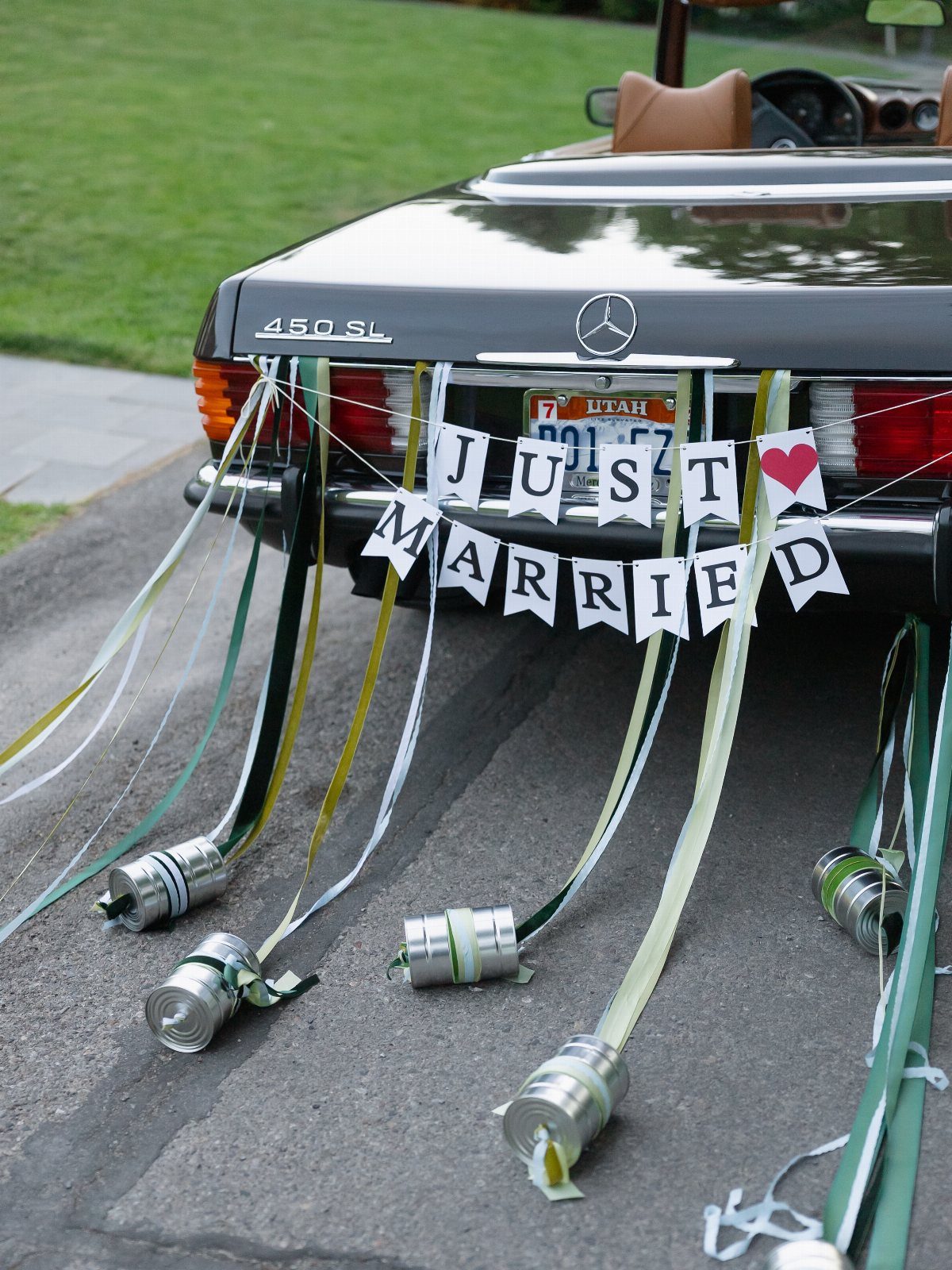
Transportation is the line item couples forget until the venue is booked.
It covers 3 separate jobs: moving the couple and wedding party to the venue or venues, running a shuttle so guests get between their hotels and the event, and the getaway car at the end.
Price the guest shuttle on its own line, though, since that is the one that adds up.
3. Plated, Buffet

Plated, buffet or family-style: this one choice shapes your catering quote more than almost anything else on the menu. A buffet in chafing dishes lets guests pick their own meats and sides, which suits a crowd with mixed tastes.
Before you book a tasting, check your catering contract, because some caterers include one and others bill for it.
Then ask what hors d’oeuvres and bar service are bundled in, passed or stationary, so nothing lands on the budget as a surprise.
Setting a Realistic Budget
Start with the number you can actually spend, not the number a venue tour makes you want.
Add up your own savings and income, then any money from family or friends, and treat that total as the ceiling for everything else.
Once you have it, split it by percentage rather than by dollar amount.
Percentages keep working if the total changes: the same split can be applied to a $20,000 target or a $40,000 target. Guest count, location and season will push individual categories up or down, so adjust the shares to match real quotes.
A plan that quietly reaches 108% of your money is a plan that ends in debt.
Plan on allocating about 50% of your total wedding budget to your venue, catering, and rentals.
— Minted
Managing Wedding Costs
Weekly works well once vendors start sending quotes.
Enter your hard ceiling in the tracker before any estimates, and log small costs too, like a $50 marriage license fee or $15 in postage. Update the actual column right after each vendor meeting, not at the end of the week.
Add a 15% contingency line for surprises such as photographer overtime or last-minute tailoring. I would treat it as a real category, not a hope.
When one area runs over, pull from another instead of letting the total drift.
Decide ahead of time what matters most to the two of you. If photography is it, give it a bigger share and accept less somewhere else.
Communication with Partners
Schedule the budget conversation so it does not happen only when a bill arrives. A short, regular check-in, ideally right after you update the tracker, keeps both of you looking at the same numbers.
Agree on a dollar amount above which neither of you commits to a vendor alone. Deposits are the usual trouble spot, since a quick yes can lock in money before the other person has weighed in.
Name each person’s top priority early. When a category has to shrink, you will already know what to protect and what to give up, and the decision feels shared instead of imposed.
Frequently Asked Questions
How do you create a budget for your wedding?
Begin with the money that actually exists: what you have saved, what you earn between now and the wedding, and whatever family or friends have promised.
Call that total your ceiling and divide it into percentages rather than fixed dollar amounts, so every category shrinks or grows with the total if it moves.
Adjust each share to match real quotes, and put the ceiling in your tracker before any estimates.
What is the 50/20/30 rule for weddings?
The rule says to put 50% toward needs, 20% toward wants, and 30% toward savings.
I would treat it as a loose starting map, not a law, since guest count, location and season push categories up or down. Whatever split you use, keep it adding up to 100% and trim one share whenever another grows.
What is a reasonable price for a wedding planner?
Budget something like 5–15% of the total for a planner, with day-of help at the low end and full service near the top.
A day-of package sits near the low end, around 3% in one breakdown, while full-service coordination runs closer to 10–15%. Plenty of venues insist on at least a day-of coordinator, so read your contract before deciding whether to hire one.
How much should I set aside for unexpected wedding costs?
Add a contingency line of 15% of your budget. Small costs belong in the log too, like the marriage license fee or postage for invitations.





