The ideas here range from free changes, like an alternative processional, to live musicians, a backyard setup, a micro wedding or a full elopement, and the one fact about your wedding that sorts them is your headcount.
A group of 15 or fewer fits an elopement or micro wedding, a circle of chairs in creative seating works for a modest crowd, and a sand ceremony or a handfasting cord will fit nearly any size.
Settle who is coming first, then pick the ceremony the space can hold.
1. Personalized Vows
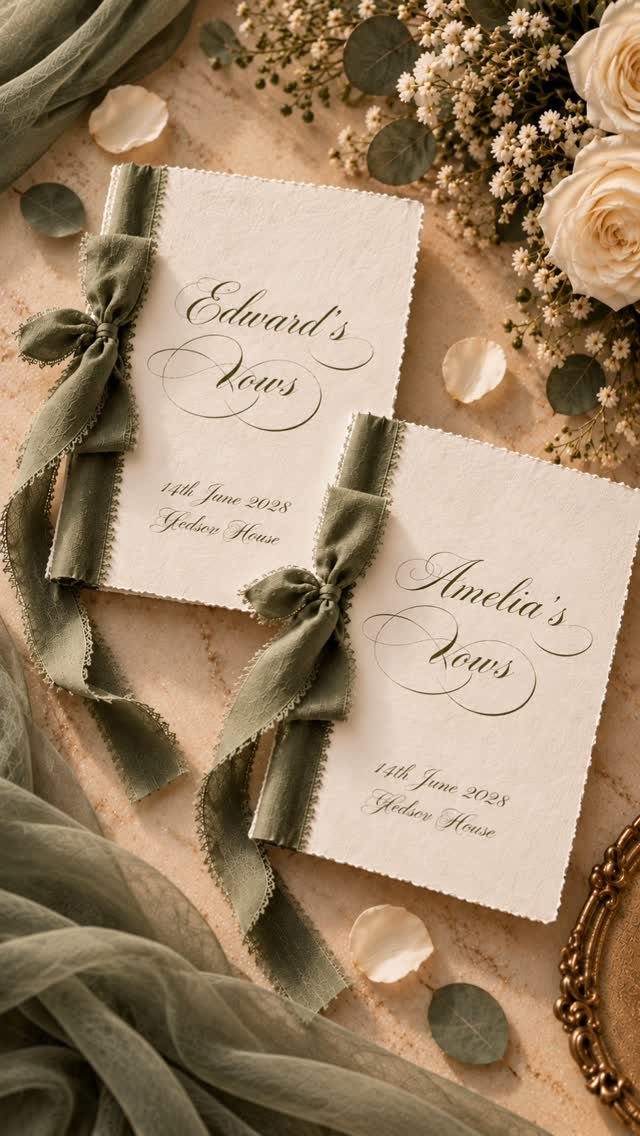
Writing vows on cards or in small booklets gives each person something to hold, and a ribbon-tied set like these doubles as a keepsake. Give each of you your own, titled with your name and the wedding date.
Settle on a rough length before you start drafting, so one of you does not read for a few lines and the other goes on for pages. Print a clean copy, since handwriting tends to blur when your hands shake.
Skip the booklets if you would rather memorize; a card in a pocket is a good backup.
2. Sand Ceremonies
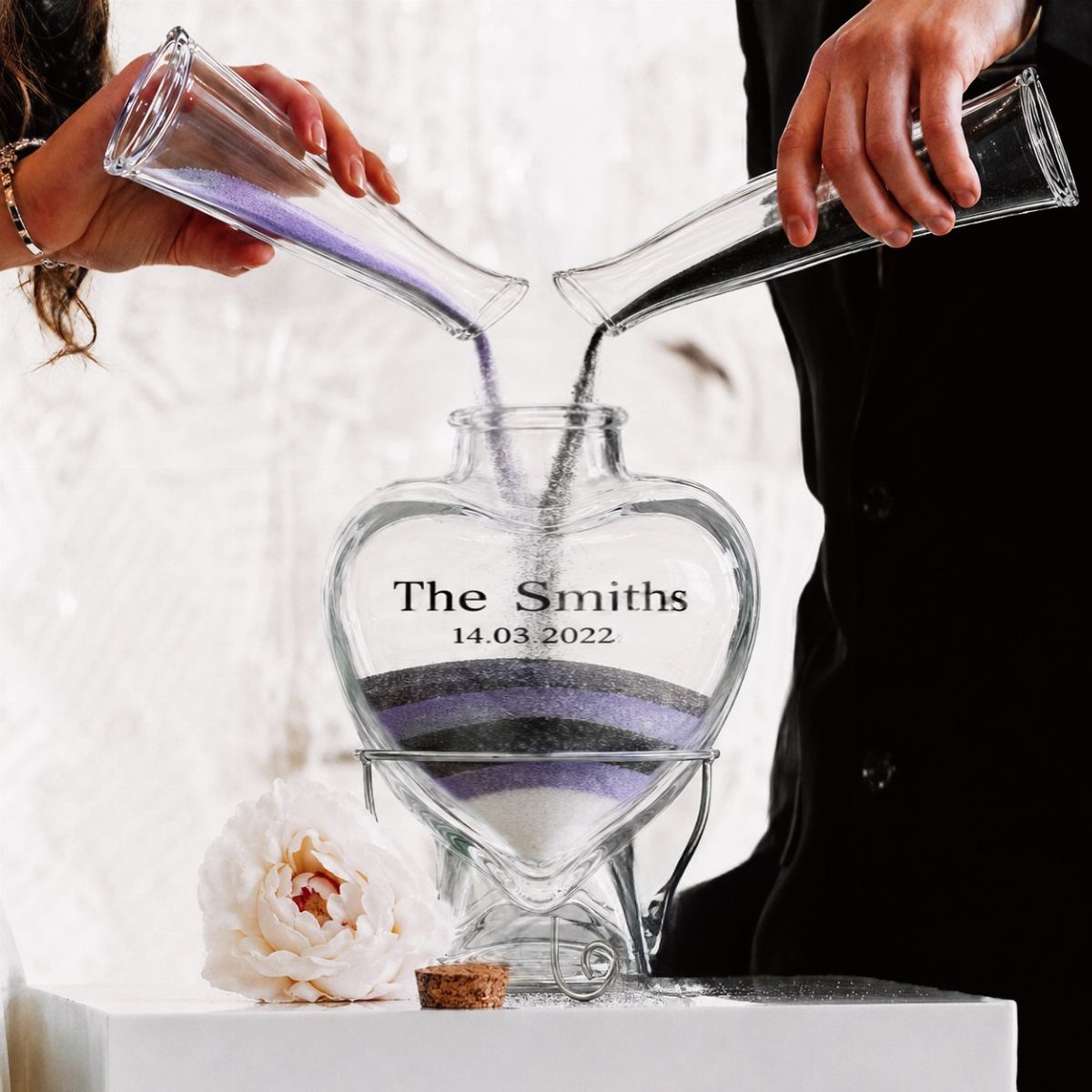
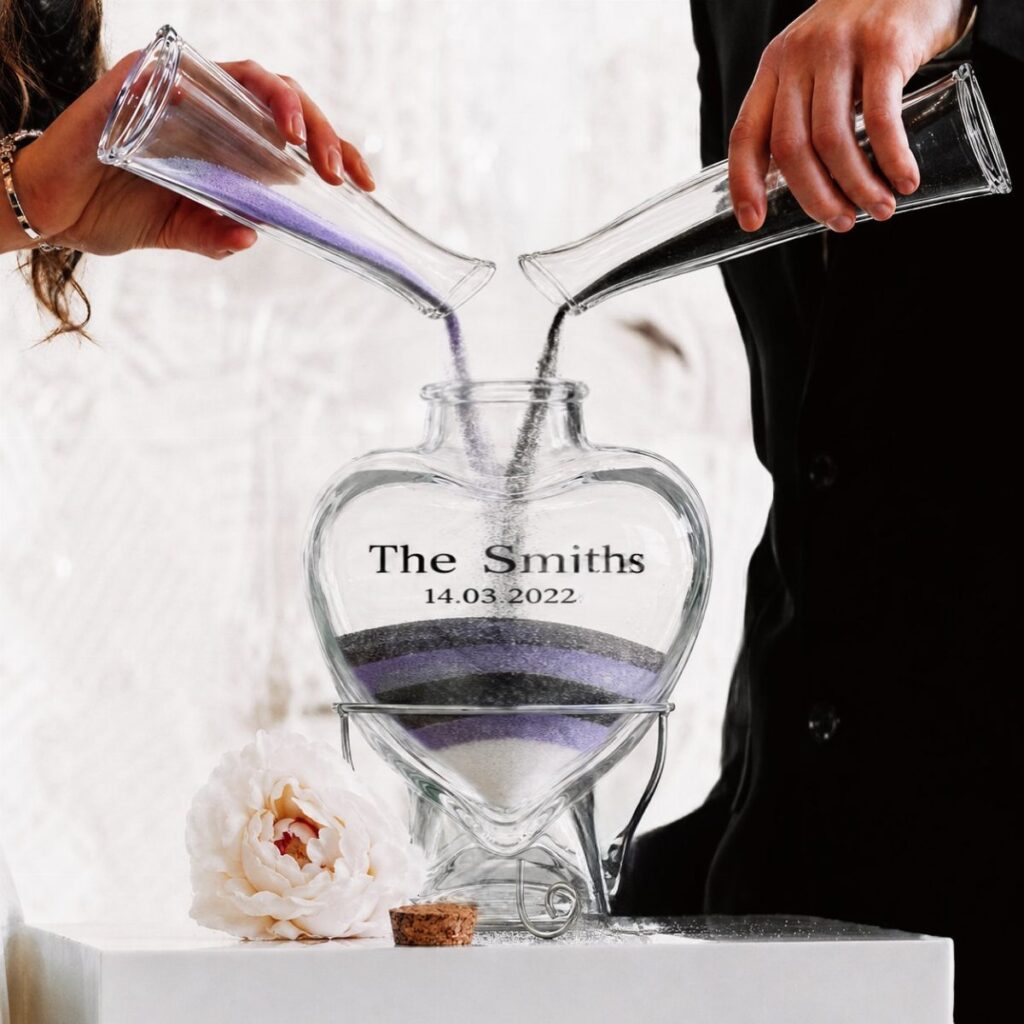
Two colors of sand poured into one heart-shaped jar can never be fully separated again, which is the whole argument for this ritual.
Pick colors that look good layered, and ask your officiant to place the ceremony right after the vows.
A jar with a cork is cheap compared with most ceremony extras, and engraving or labeling it with your names and the date turns it into a shelf piece. Pour slowly, in turns, so the layers show.
Outdoors, wind can scatter the sand, so a table with a lip or a sheltered spot helps.
3. Creative Ceremony Seating

A circle of chairs puts the couple in the middle instead of at the far end of an aisle, and every guest gets a front-row view.
A circle layout like this one gives the ceremony a 360 look and makes guests feel part of it.
Plain white folding chairs are enough, so the cost stays low. Mark the curve with stakes or string before guests arrive, and leave one gap wide enough for you to walk in.
I would choose this over rows for any group under 50. Spirals take more floor space, so measure the lawn first.
4. Alternative Processional
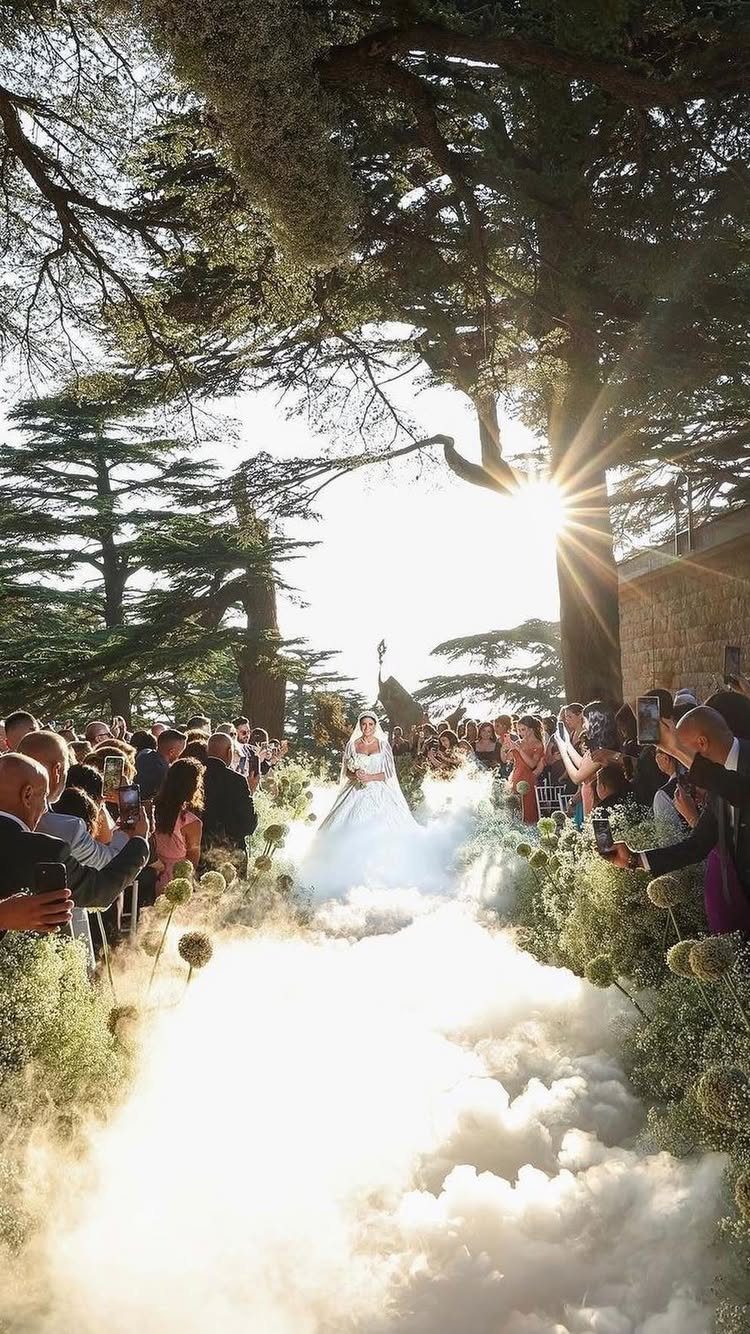
A fog effect needs tall trees or a sheltered spot to hold it, since open air thins it fast.
Rent a machine and test it before the day, because too much fog hides the person you are walking toward. Standing guests keep the aisle narrow and close.
Other options cost nothing: walk in together, enter from the side, or let your parents bring you both in.
5. Interactive Ceremony Elements
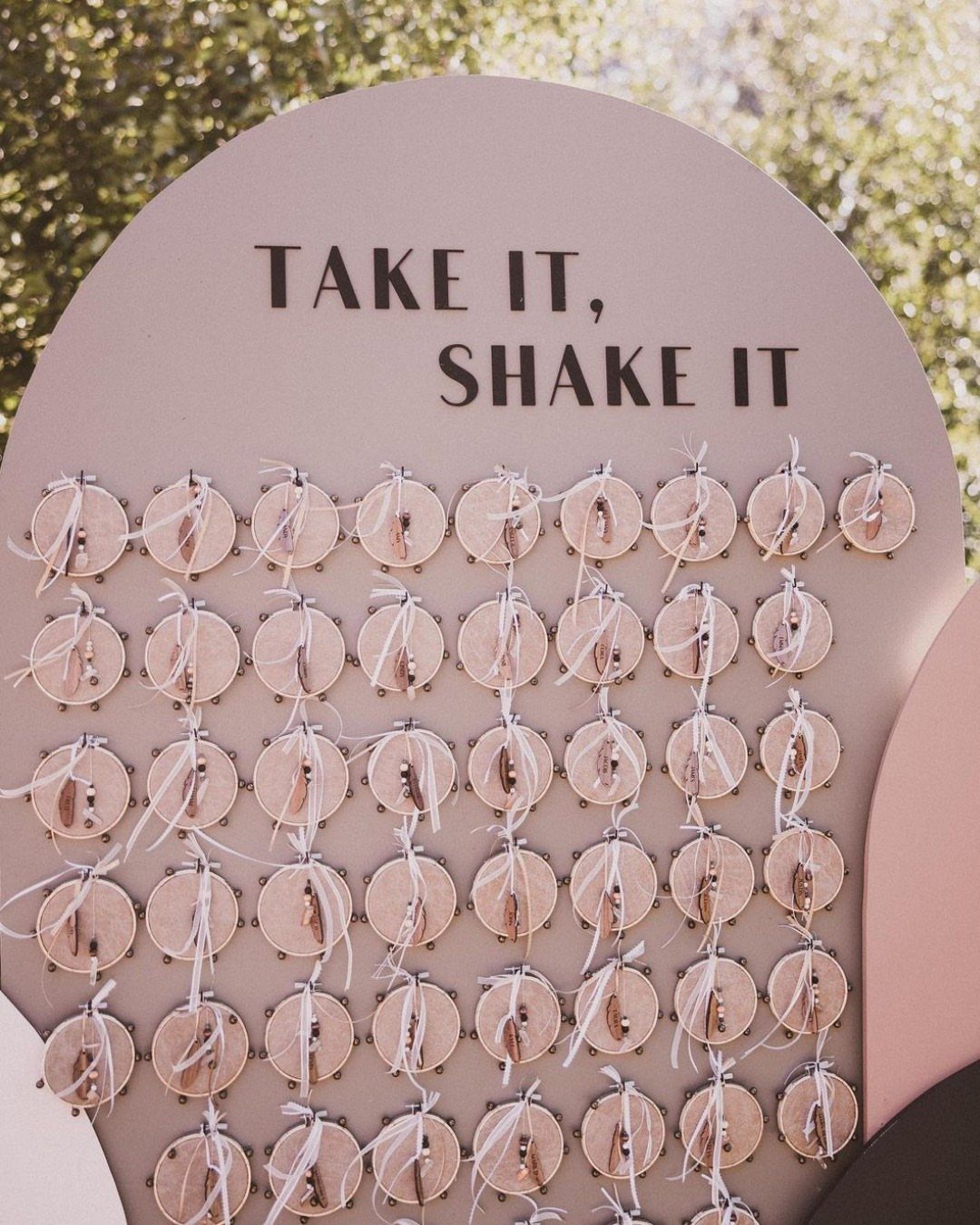
Handing guests something to shake turns an audience into a part of the ceremony.
Plan the cue ahead: the kiss, the recessional, or the moment you are announced. Ask your officiant to mention it once.
Count one tambourine per guest, plus a few spares. A single moment is plenty, since a ceremony full of rattling gets old fast.
6. Themed Wedding Ceremony
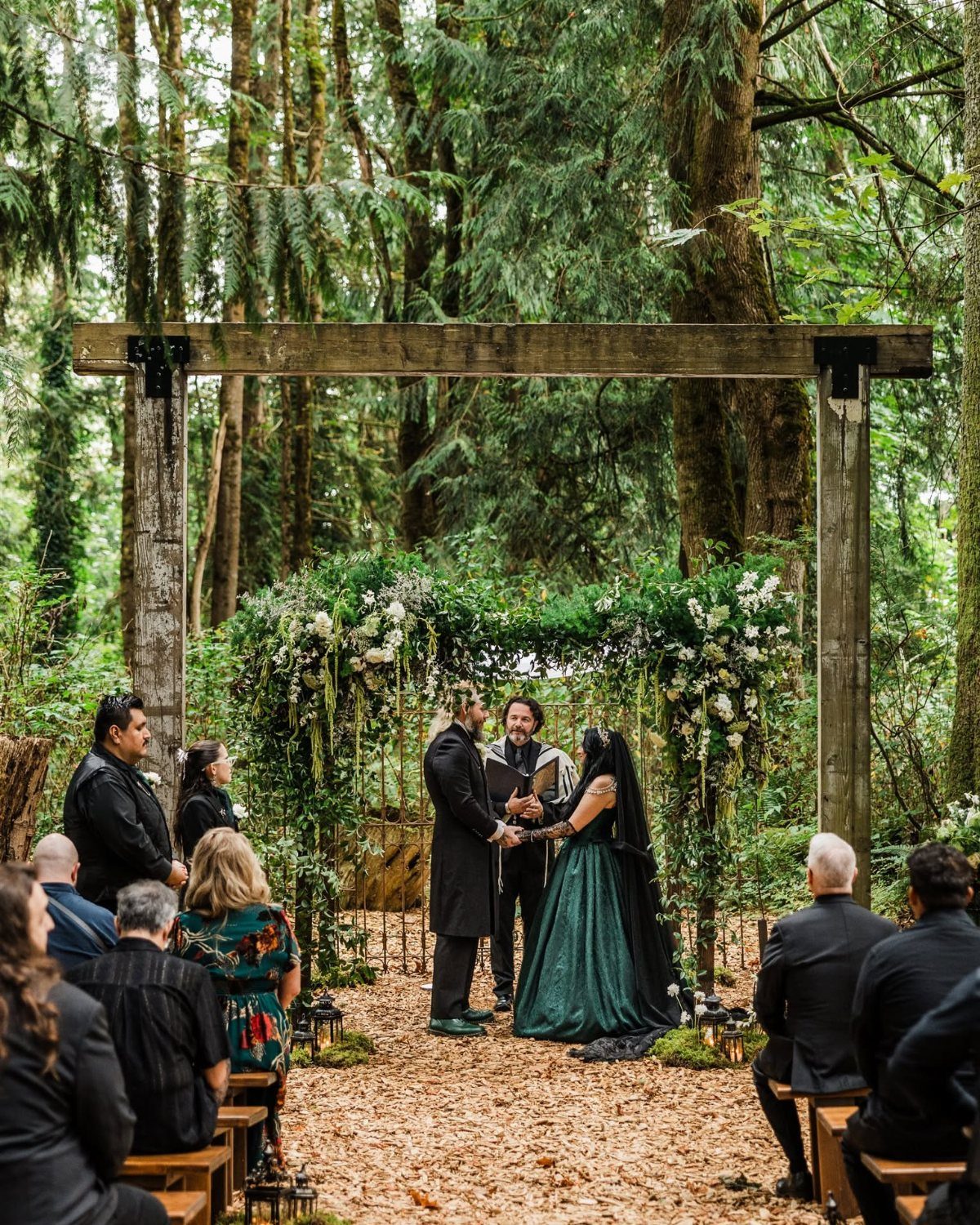
A theme works best at a ceremony when it lives in the clothing and the setting rather than in props. Gothic attire under a wooden arch in a forest, for example, lets the trees do the staging for free.
Pick a place that already matches your theme, then spend your budget on a few details: what you wear and what the officiant says. Tell guests ahead of time if you want them to dress along.
The risk is going so far into costume that the ceremony stops sounding like you. Keep the vows plain.
7. Backyard Wedding Ceremony
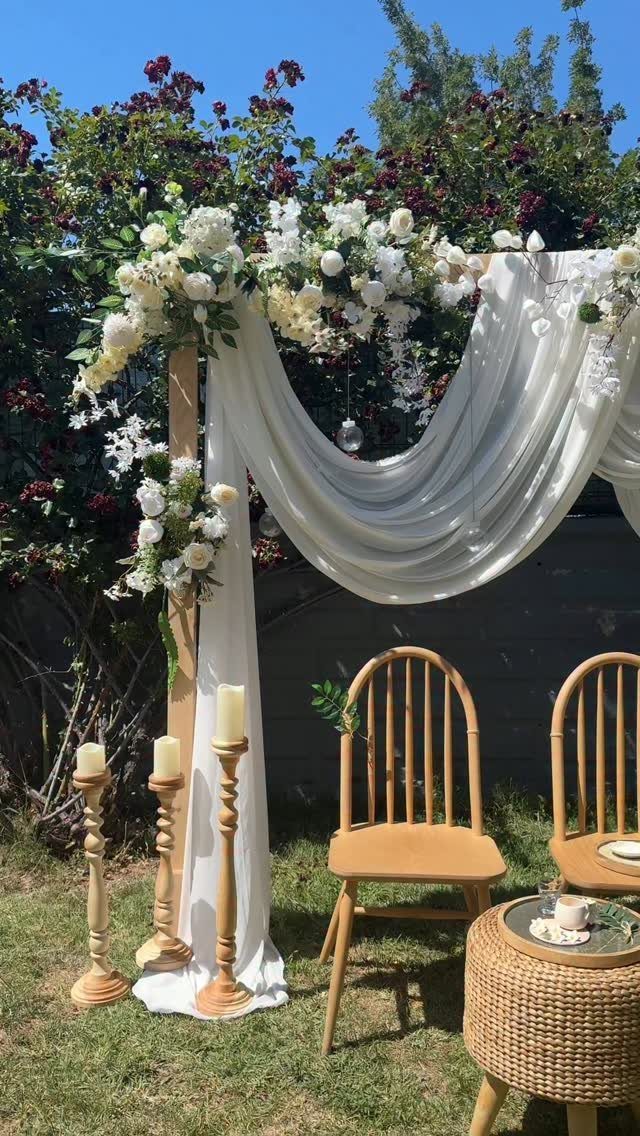
A wooden arch draped in white fabric and flowers gives a backyard ceremony a focal point, so guests know where to look and the couple has a clear place to stand.
Everything else can be borrowed or already owned, which keeps the spend low.
Set 2 chairs for the couple if you want to sit for part of the ceremony, and add a small table for rings or a unity item. Tall candle holders at the base frame the spot without taking much room.
Walk the yard the week before and pick the flattest patch.
8. Pets as Ring Bearers
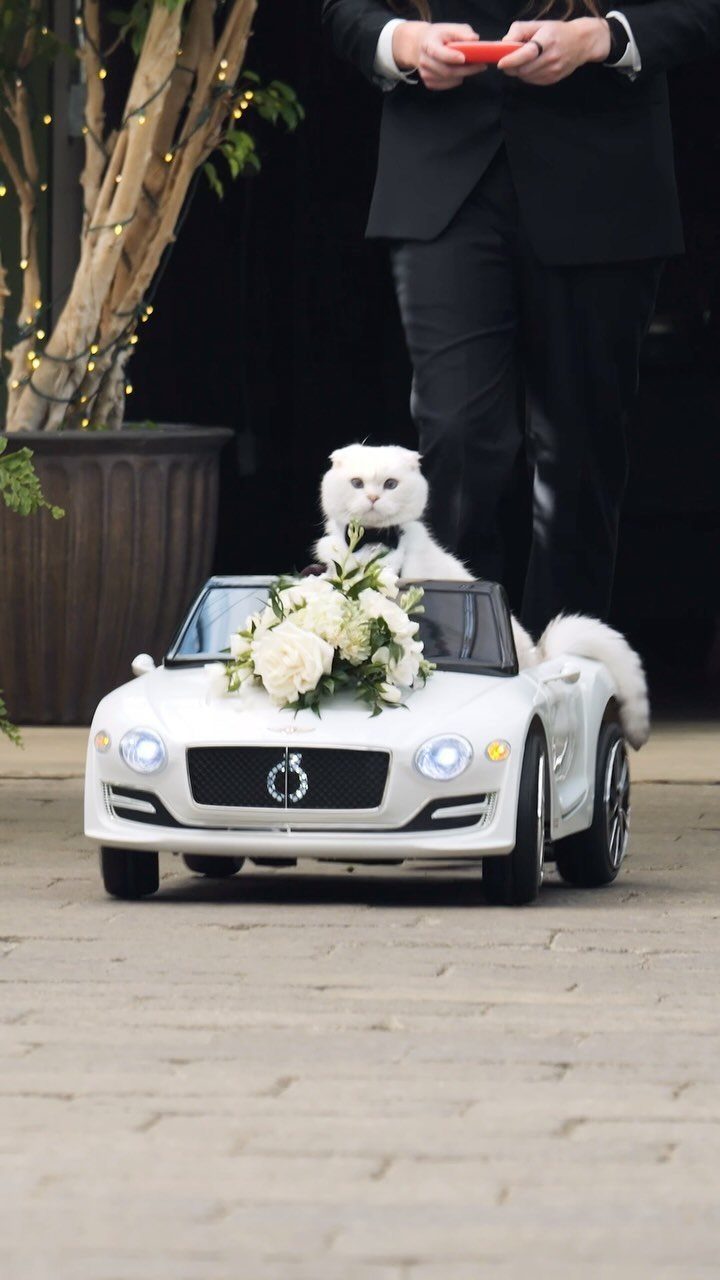
Cats rarely take direction, so a toy convertible solves the problem by carrying the animal for you. Decorate it with white flowers and a bow tie on the cat, and the ring bearer is ready.
Let your pet ride in the car at home first, so the wheels and the ribbon feel normal. Ask a friend to stand behind it, as the person in the black suit does here, and to guide it along.
Tie the rings on loosely, or carry fakes and hand over the real ones.
9. Elopement

Eloping means the vows happen with nobody watching, and a mossy forest bridge makes a fine place to say them. It costs far less than a reception, and the money can go toward the trip itself.
Not every elopement is a party of two; a few guests, a witness or an officiant can join without losing the point of going small.
By one planner’s count, a group of 15 or fewer has plenty of cabin options, while anything past 15 gets trickier.
Decide your headcount first, then book the lodging.
10. Handfasting Ceremony
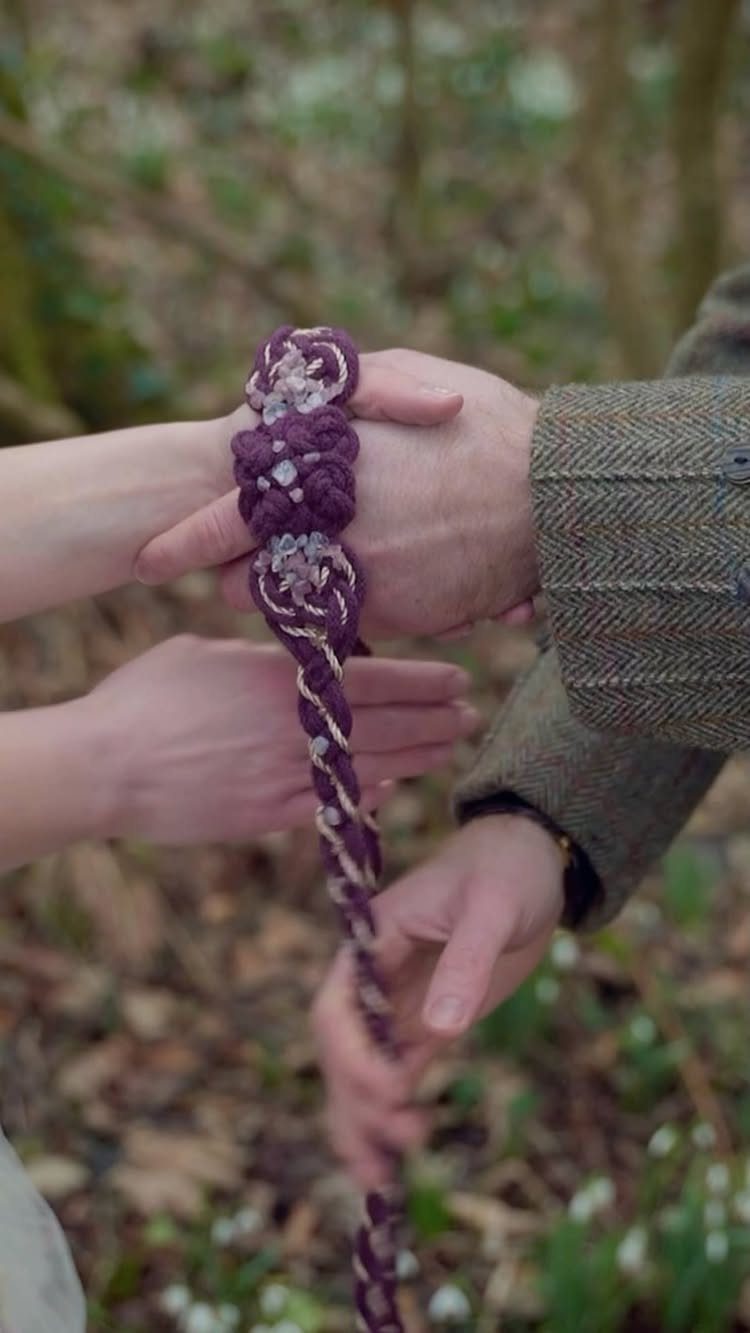
A braided cord wrapped around joined hands is the whole ritual, and it is one of the oldest wedding rites still practiced. It needs no stage, only a quiet spot like these woods.
Choose a cord in colors that mean something to you; purple and gold with crystals is one take. Ask your officiant to wrap it during the vows, then slip your hands out so the knot stays tied.
The cord then becomes a keepsake, so store it flat in a box.
11. Live Ceremony Musicians
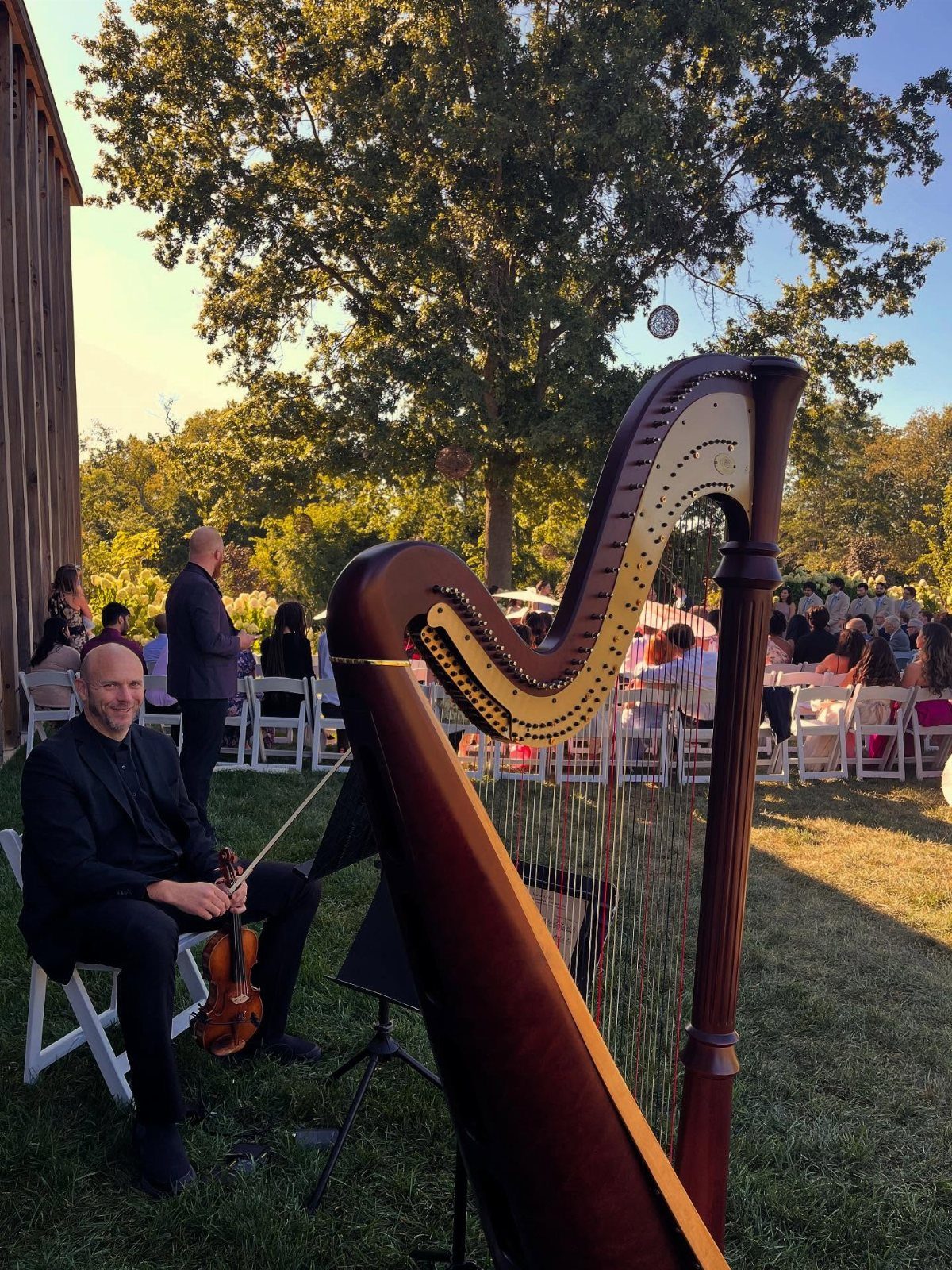
Live musicians such as a violinist or a harpist give a ceremony its own soundtrack, and acoustic instruments mean you can skip the speakers and the sound check.
I would pick live strings over a playlist for any outdoor ceremony, since the sound suits open air.
Decide what plays at 3 points: guests arriving, your entrance, and the exit. Ask the musicians about their rates and the length of their sets before you book.
Give them shade and a level spot, because a harp is big and awkward to move.
12. Micro Weddings
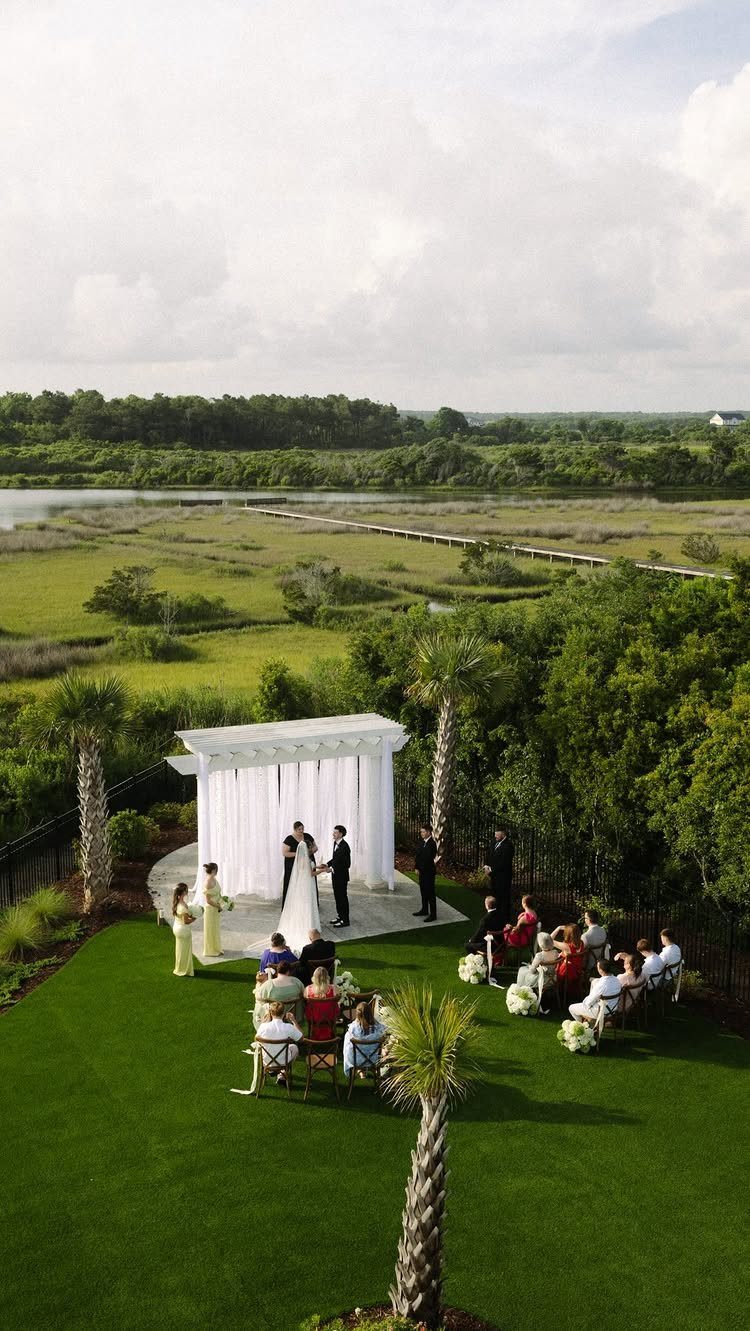
A micro wedding keeps the ceremony personal because every guest sits close enough to hear the vows, and a small pergola with a few rows of chairs is enough to fill the space.
Fewer seats also means a smaller bill for food, rentals and everything else.
Because the list is so short, every name has to earn a place. Start with the people you would call first after the wedding, and stop when the chairs are full.
One photographer who handles ceremonies like this has said her books are still open for 2026/27 weddings, so book early.
13. Alternative Attire
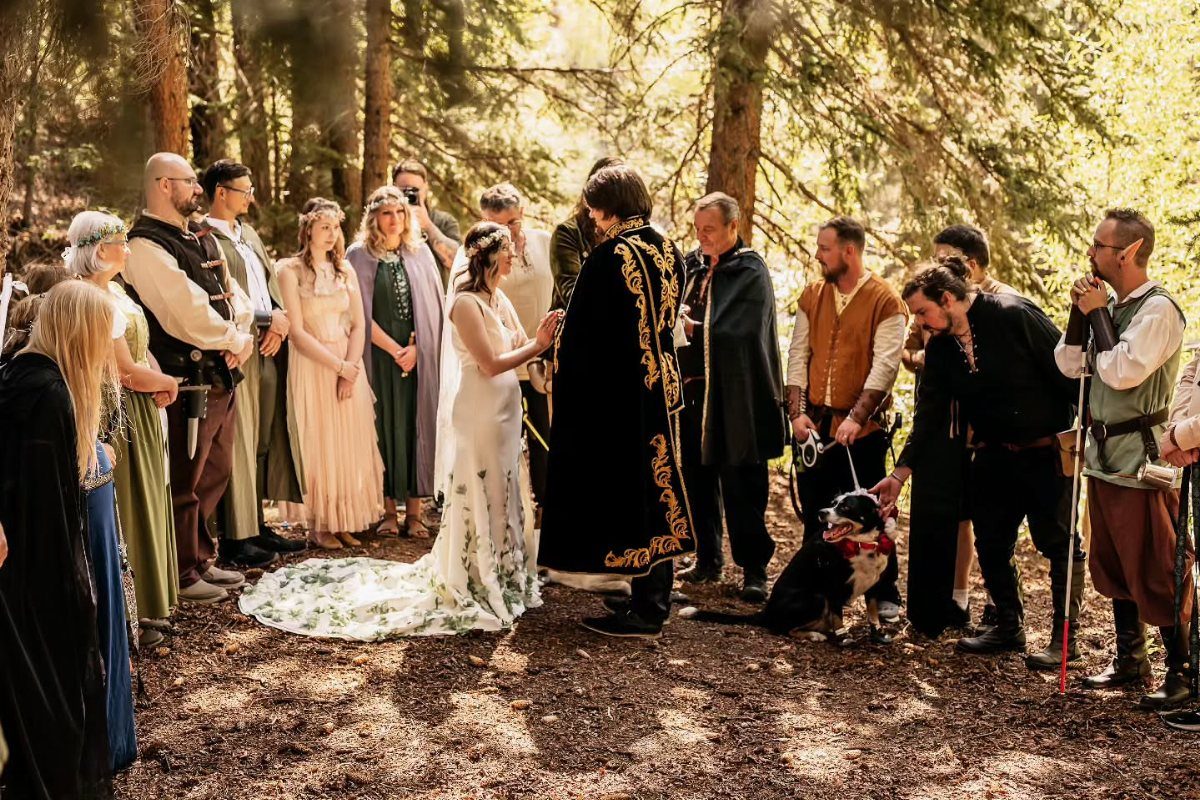
Wedding clothes do not have to mean a white gown and a black suit.
A bride in a white dress beside a groom in a dark cloak already looks like a different story, and a forest setting suits that kind of outfit well.
Dress your guests along if you can, and say so on the invitation so nobody arrives feeling out of place.
Medieval and fantasy pieces can often be borrowed, rented or sewn, which keeps the cost well under a standard formal wardrobe.
I would pick one outfit you love over a full costume party. Check that you can walk, kneel and hug comfortably in it before the day.
Personalization in Ceremonies
A personal ceremony comes down to a few choices that sound like you, not a pile of extras. Meaningful readings, a creative entrance or a friend as officiant can each change the feel of the room.
Even if your family never kept the custom, a small borrowed piece of it, like a recipe on the menu or a blessing your grandmother used, can anchor the ceremony.
Relatives tend to appreciate the recognition, and it hands you a theme to build around: music, decor, attire or a ritual.
Keep written vows simple, heartfelt and sincere, and leave the humor out so the commitment is what people hear. If you are stuck, read sample vows online and adapt them to your own relationship.
Choosing a Venue
Start with 2 limits: how many guests the space holds and what your budget allows. Past those, a park, an art gallery or a backyard can all stand in for a barn or chapel.
Ask each place early about guest capacity and any ceremony rules, since those decide the list faster than taste does.
A destination can also be the venue.
Hold the ceremony in a city or a jungle and guests have something to wander and look at while they celebrate, so the day feels bigger and you spend nothing extra on décor.
My pick is whichever place already looks like you, so you spend less on dressing it up.
Involving Guests
Guests can join in without much effort from you: set out a shared canvas to paint, pass around a guest book with room for notes and photos, or hang a wish tree where people tie on handwritten messages.
Guests can also sing along during the ceremony. Pick a song most people already know, and print the words if it is not a famous one.
Set the art project, guest book or tree where people pass on arrival, with pens or supplies in place, so it does not eat into the ceremony itself.
Choose one or two of these, not all three. A shared moment lands better when it is easy to join and short enough that nobody feels put on the spot.
Frequently Asked Questions
What can I do instead of a wedding reception?
A casual gathering such as a picnic or a brunch works well in place of a formal reception. To keep it lively without a dance floor, try yard games, karaoke, an accordion player, or comfort extras like blankets and fans.
Eloping is the other route: the money that would have gone to a reception can pay for the trip itself.
Are you legally married without a ceremony?
Yes, a legal marriage can happen without a traditional ceremony, though the rules depend on local law.
Check with the office that issues licenses where you plan to marry before you skip anything. A simple vow exchange with an officiant and a witness is the smallest version of a ceremony.
What’s the difference between a wedding and a wedding ceremony?
The wedding is the whole event, including the celebration, while the ceremony is the specific ritual where you exchange vows.
That split is why you can shrink or reinvent one without touching the other. A couple might keep a short, personal ceremony and skip the reception entirely.





