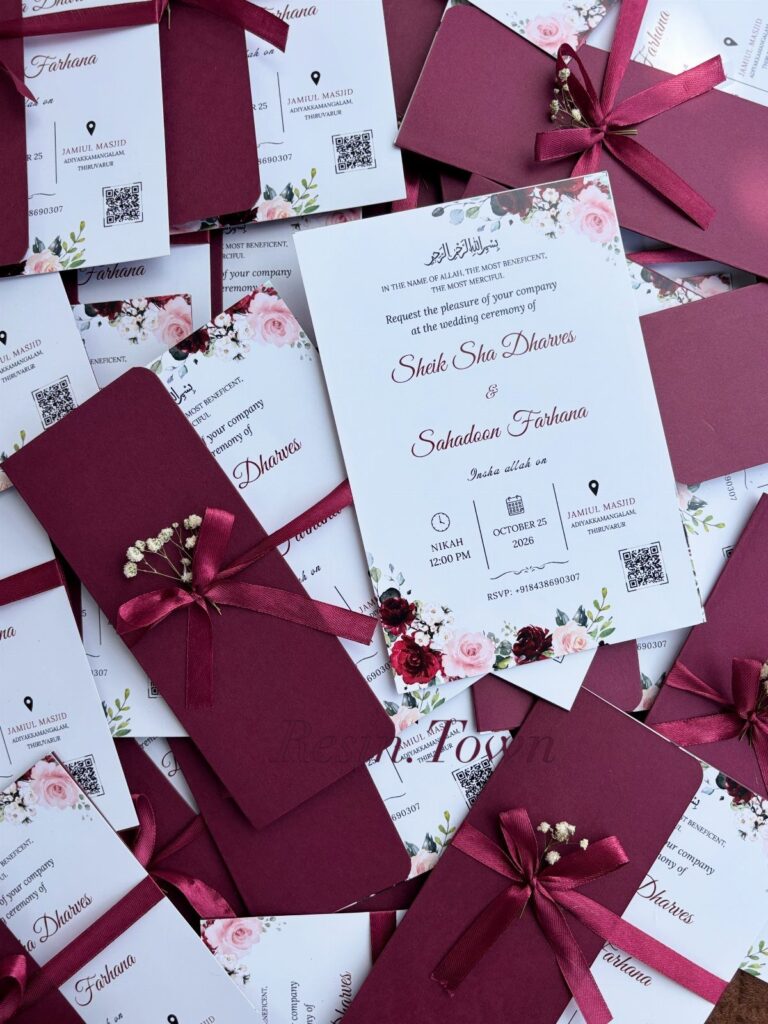
Every item here is a task you can start early or compress, and the one fact that decides your schedule is how many months sit between today and the wedding date, not when you got engaged.
With 14 months out, you can spread the work across a full year; with 4 or 6 months, squeeze the year-long plan and keep the venue, date and budget at the front.
The list runs from mailing invitations and picking shoes to a vendor check-in at least 7 days out and handing day-of calls to one calm person.
1. Wedding Invitations
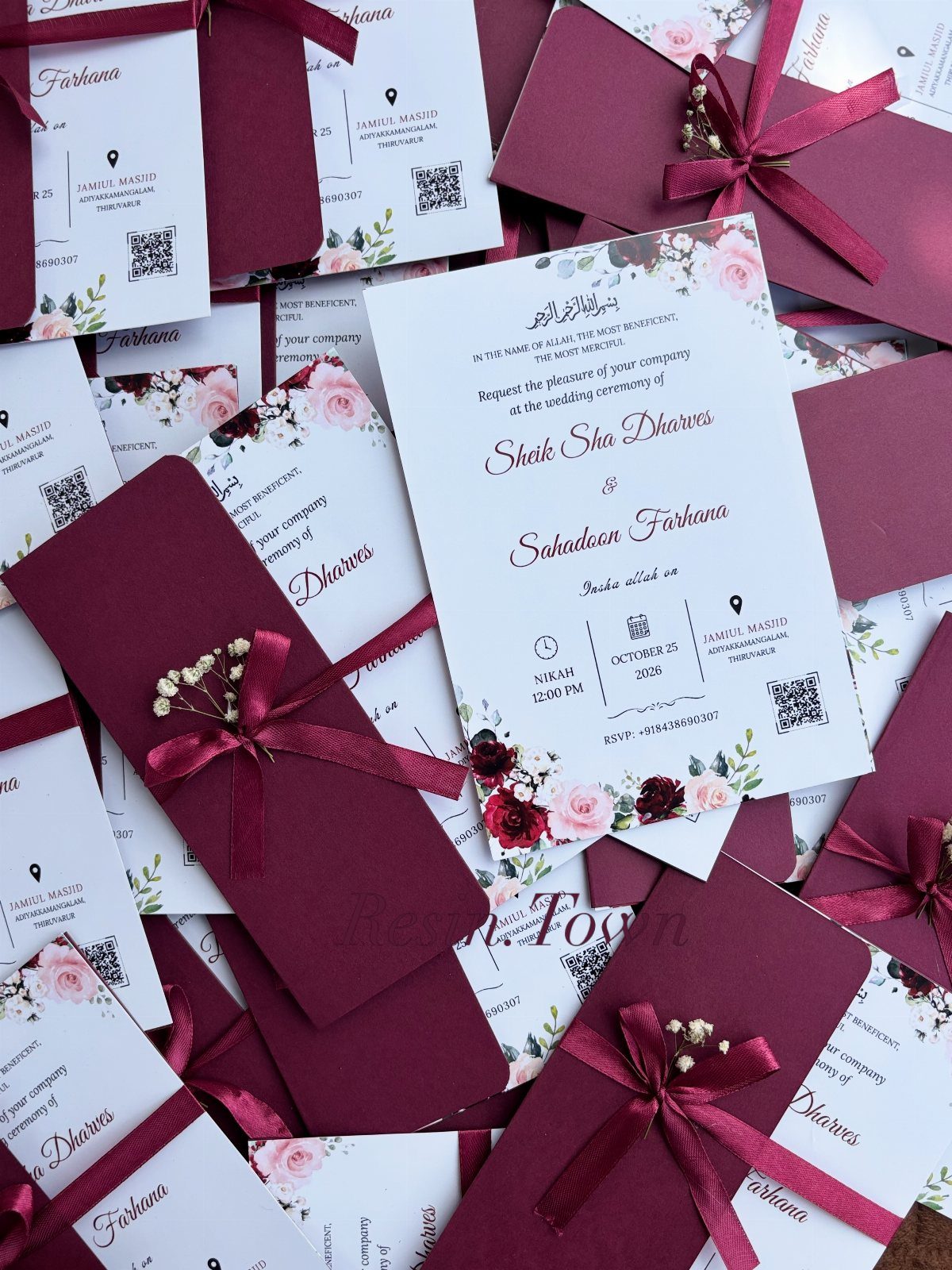
Mailing is the step that turns a design into a deadline, since every guest’s address has to be right before a single envelope goes out.
Build the address list in one spreadsheet, check it against the guest list, and stamp and mail everything in one batch.
Ink and paper cost real money, so order a few extra sets for keepsakes and for the inevitable mistake in a name.
Dark envelopes like these burgundy ones show address ink poorly, so I would test a pen or print a label before committing.
2. Shoes
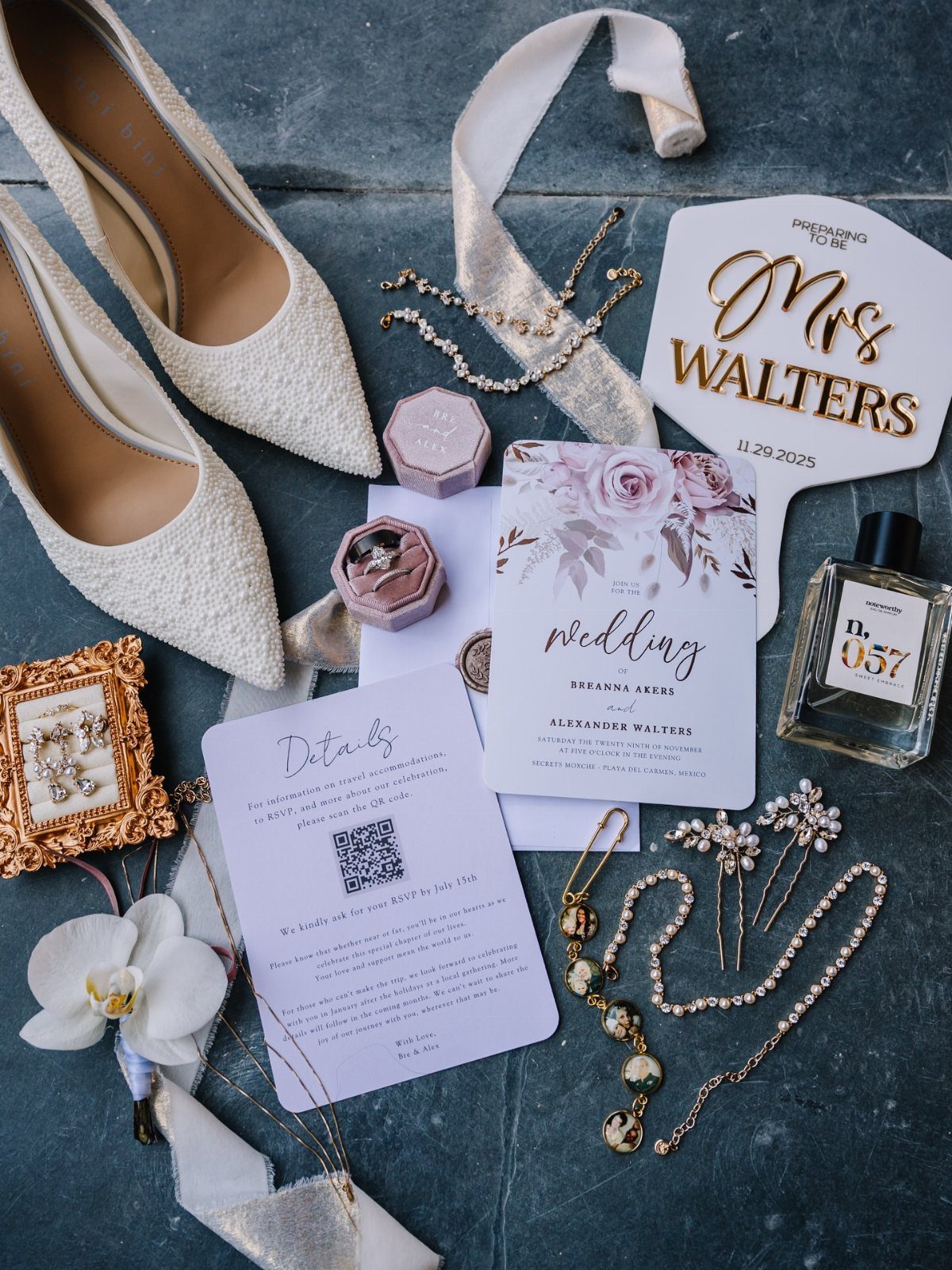
Small pieces of a look are easy to leave for last, and that is how a mismatched metal tone or a pair of untested heels shows up on the wedding morning.
Put the shoes, jewelry, rings and any headpiece on one tray in the final weeks and check them together.
I would wear the shoes around the house before the day. Then pack everything in one box, so nothing is hunted for while the photographer waits to shoot the flat lay.
3. Finalize Menu
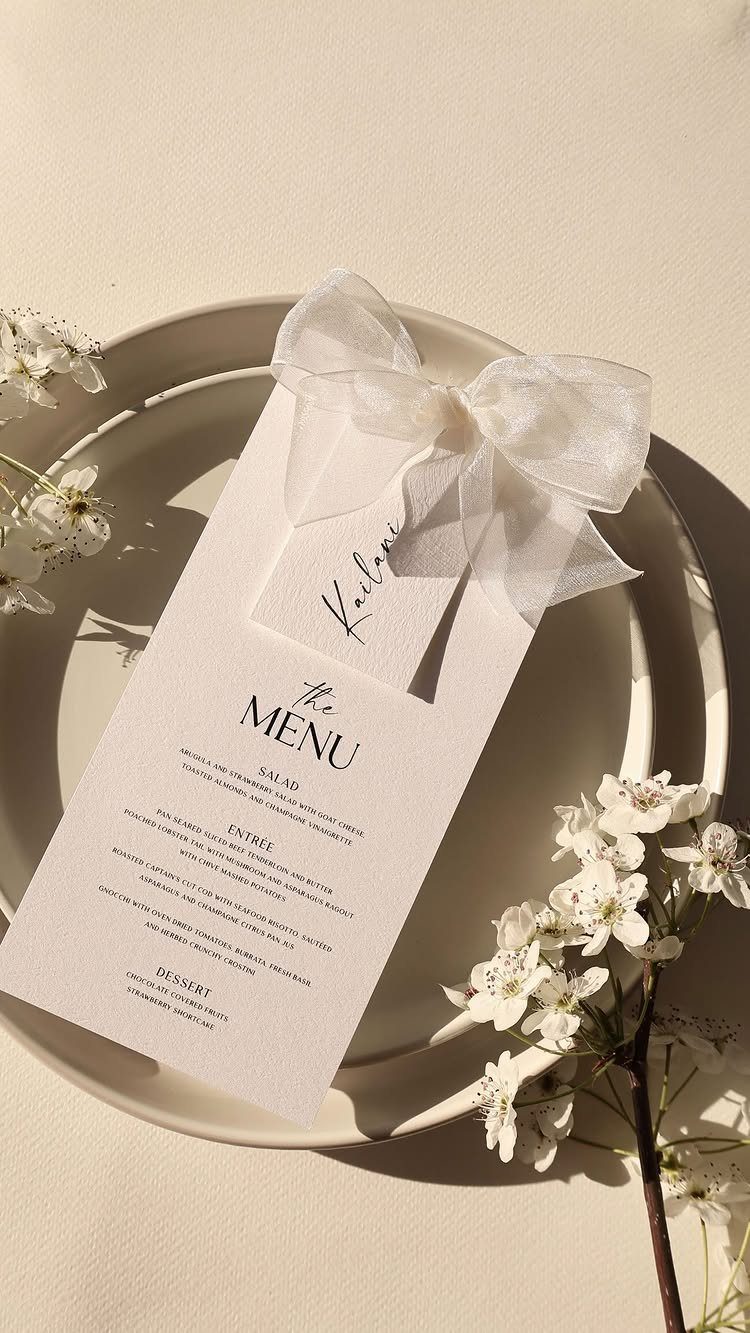
A menu is final only when your caterer has confirmed it in writing: each course, each dish, and the count for every dietary need.
Salad, entrée and dessert are easy to name, but swaps and allergies are where changes sneak in.
Send the caterer your headcount and meal choices by their deadline, then ask for a last copy to proofread. If you print menu cards, match them word for word to that copy.
4. Thank You Cards
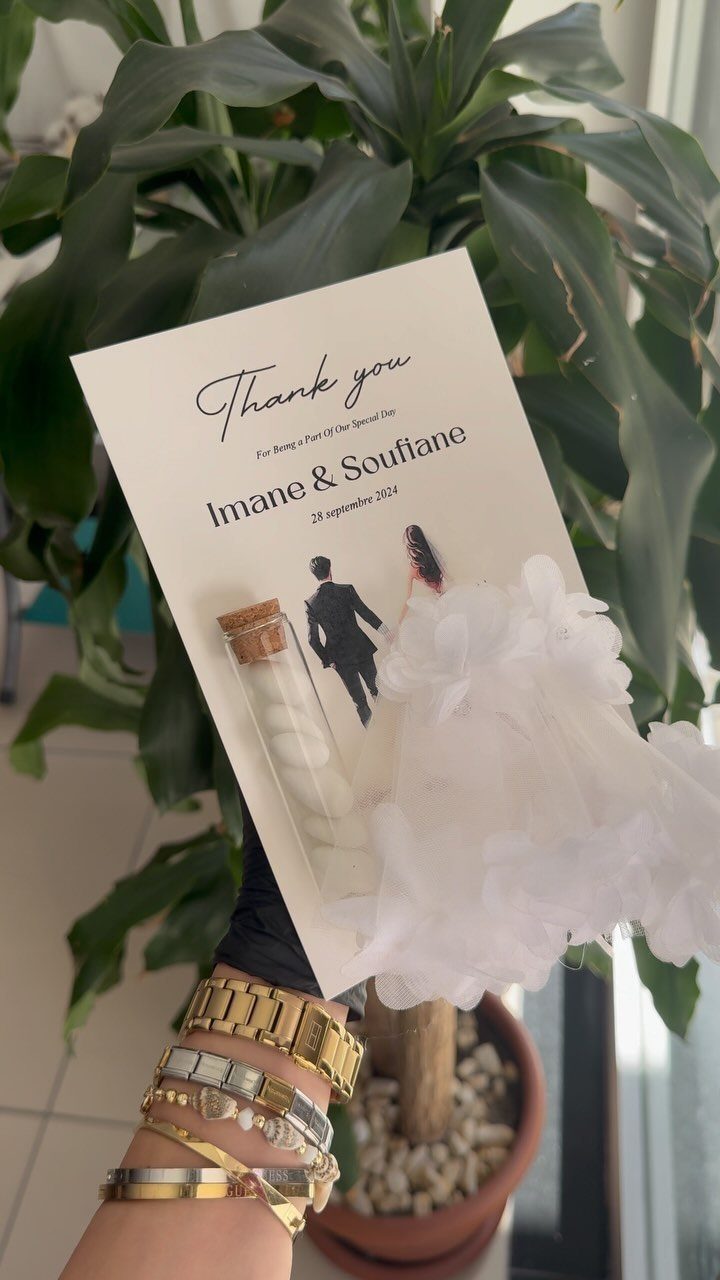
Thank you cards go fastest when the envelopes are addressed and a short note is drafted ahead of the big day. A small favor attached, like the little bottle of candies here, makes a card feel personal without extra words.
Mention the specific gift or the way the guest helped, and keep each note to a few lines. Splitting the stack between the two of you and writing a few each night keeps it from becoming a chore.
5. Reception Seating Chart
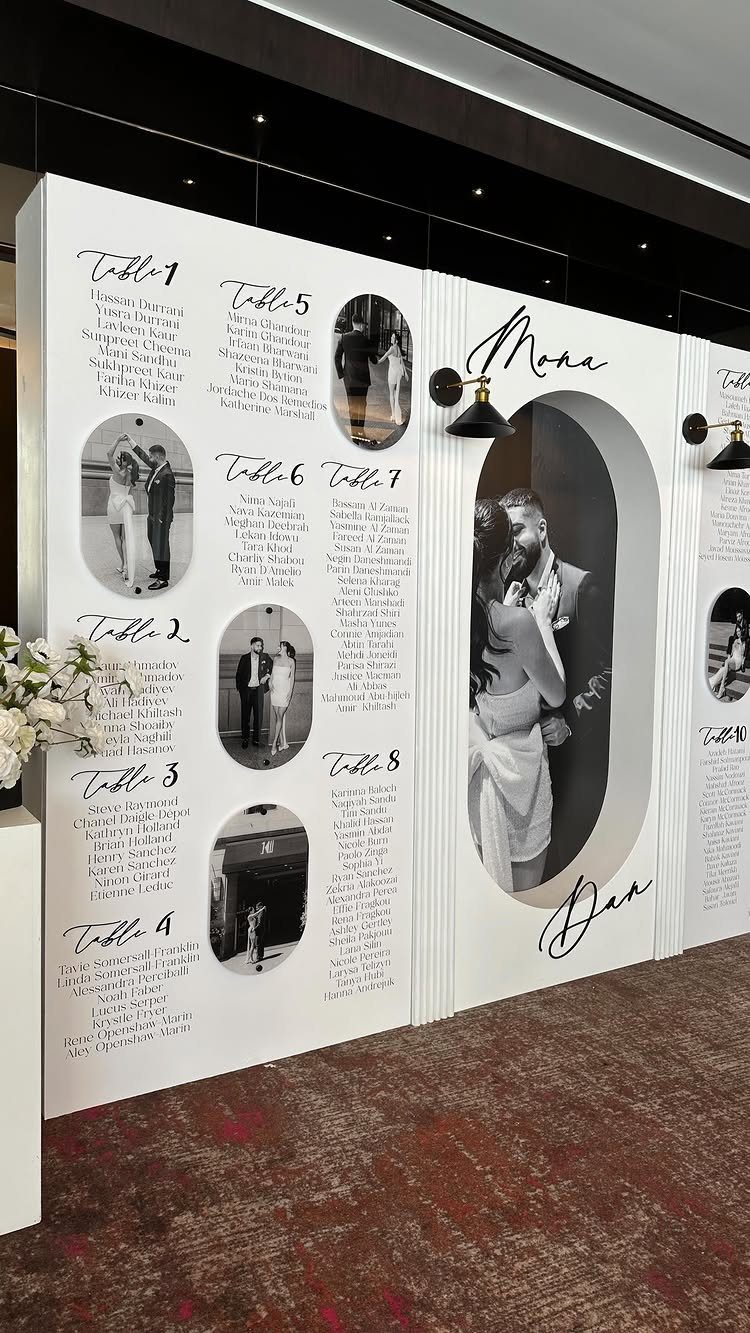
Seating charts turn into a puzzle fast, so start with the tables, not the names. Write each table number on a card, then place the anchor groups first: family, the wedding party, and friends who already know each other.
Fill the leftover guests where they will have something in common with a neighbor. Check the final list against your RSVPs before printing, because a misspelled name on a big board is hard to fix.
I like a board, since guests can find their table at a glance.
Wedding Planning Timeline
Most engagements last 12 to 16 months, and a full year gives you enough room to book vendors without rushing.
Build your checklist around a year-long timeline even if your date is closer or further out. It is easier to see where to squeeze tasks together or spread them apart when you start from a full year.
Settle 3 things first: the venue, the date and the budget. Guest list, wedding party, dress and decorations all depend on those three, so working on them earlier just means redoing them later.
Count backward from the wedding date to set your schedule, since the day you got engaged has little to do with it.
If the date is 14 months out, you have room to spread things. If it is 4 or 6 months out, compress the year-long schedule and keep the big three at the front.
Vendor Management
Trust your vendors, since they have done this many times, but follow up anyway. A short check-in costs you nothing and catches a misunderstanding while it is still easy to fix.
Check in with each vendor by phone or email at least 7 days out, so any change in arrival time or order of events surfaces while you can still fix it.
Confirm arrival times, setup requirements and any specific instructions, and ask each one to reply so you know the message landed.
I would keep the replies together in one place, so the answers are easy to find later.
Do this for all of them, including the ones that seem simple. A vendor who is never asked is the one who turns up at the wrong time.
Day-of Coordination
Give one person you trust, a friend or a relative, the job of fielding vendor calls and questions on the day itself. Choose someone calm, and not someone in the wedding party who also needs to be in photos.
Tell that person exactly what they are responsible for, and prepare them for the unexpected: a late delivery, a missing item, a question only the couple would normally answer.
A day-of coordinator works best with your timeline, vendor contacts, and floor plan in hand days before the event, so send those over early.
Once you have, step back. I think the best sign of a good handoff is that you spend the day on your own wedding, not on the phone.
Frequently Asked Questions
What’s a reasonable wedding budget?
There is no single number, but leave extra room whatever you pick.
Most newlyweds say they underestimated their budget by an average of 45%. Set the figure early, alongside the venue and date, and treat a cushion as part of the plan.
How far ahead should I start a wedding checklist?
Build it around a full year, since most engagements run 12 to 16 months. Then count backward from your wedding date to set the schedule.
When should I check in with wedding vendors?
Call or email every vendor at least 7 days out from the big day. Keep the replies in one place, and include the vendors that seem simple.





