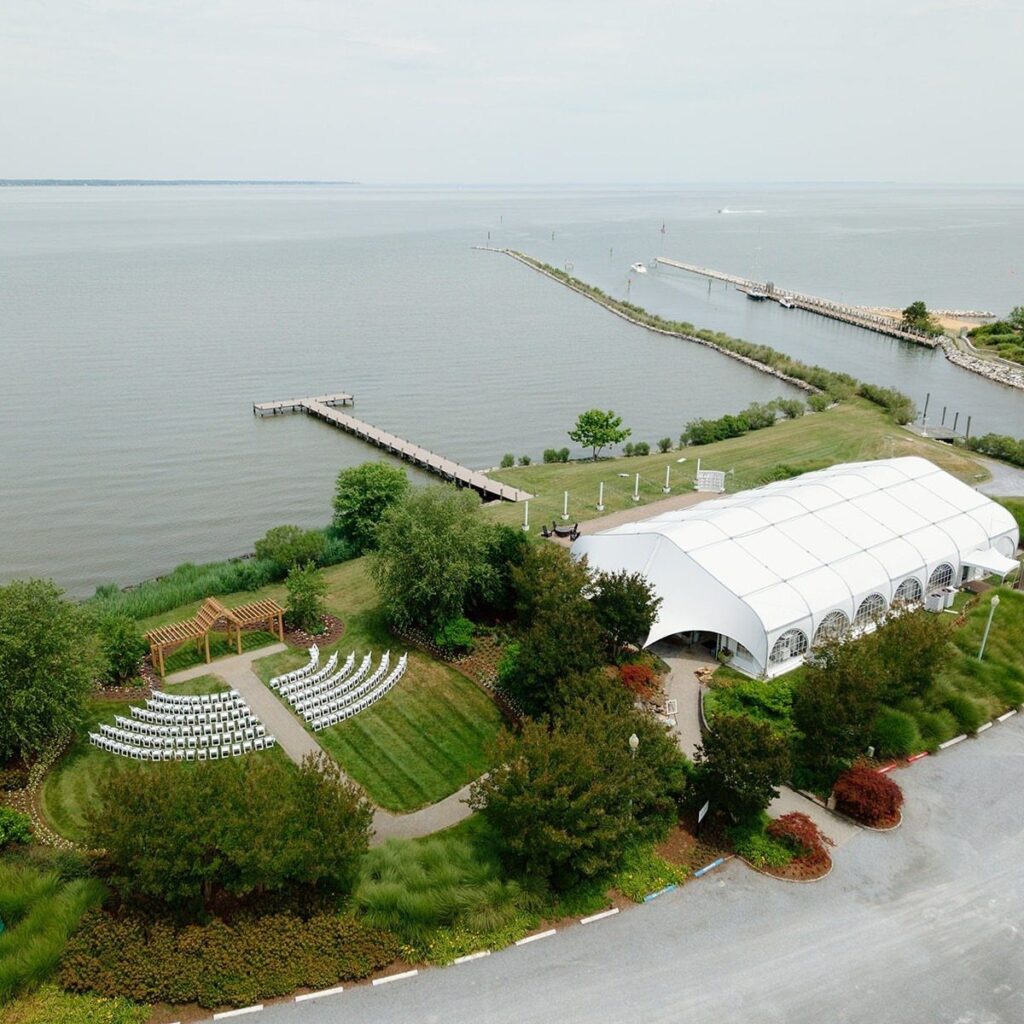
Guest count decides which of these Maryland venues is yours, because it rules out more places than budget or style does, and a single property can hold 300 guests in its pavilion and only 75 in its garden house.
The list runs from bright modern ballrooms that need almost no decor to waterfront and vineyard spots where you bring more of the styling yourself.
1. Waterfront Wedding Venues
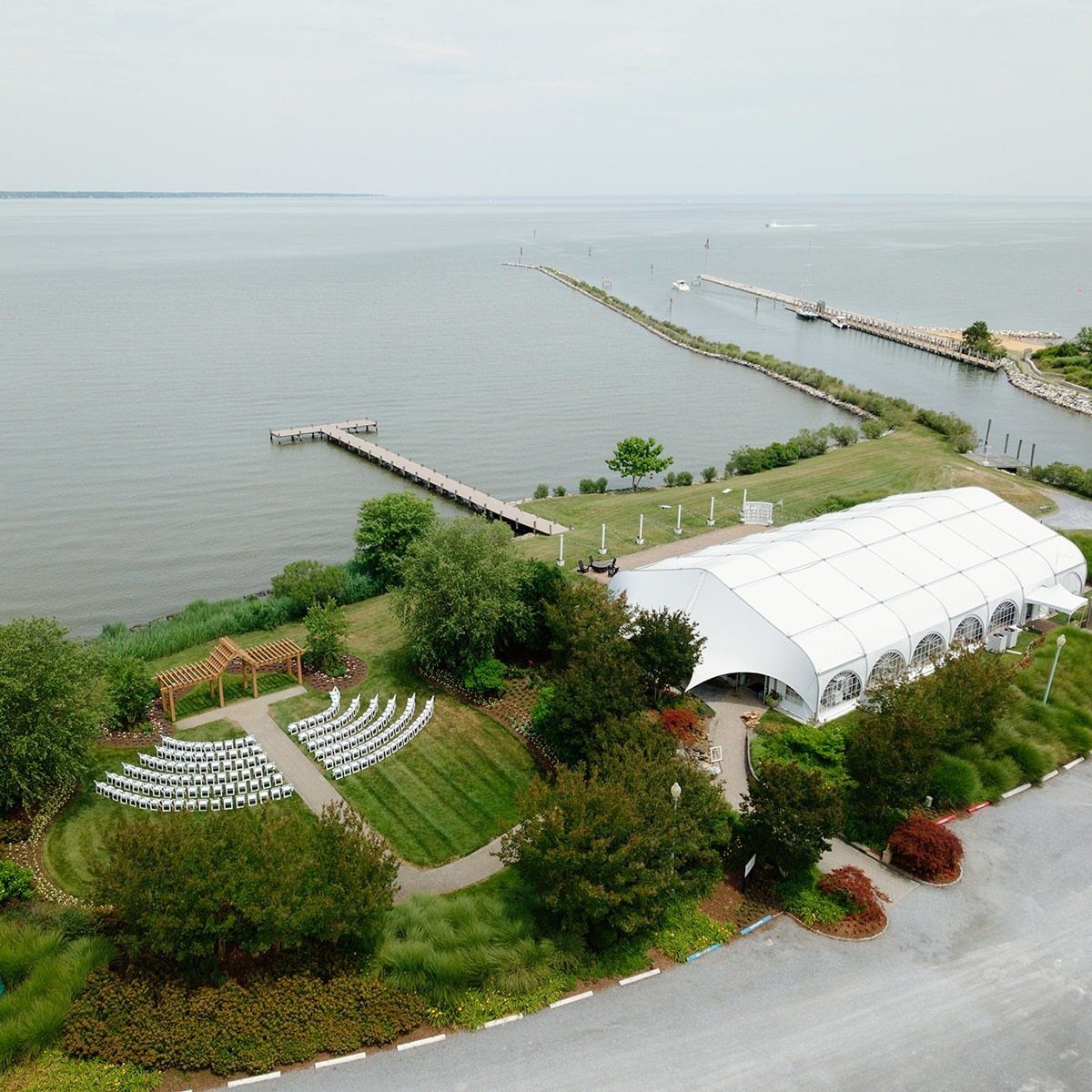
Water views do most of the decorating, so a venue like this lets you spend less on florals and draped fabric. A long pier and open bay mean the ceremony photos mostly take care of themselves.
Face the ceremony seating toward the water and place the tent close by, so guests have shelter if the weather turns.
Ask each venue what happens to the ceremony if wind or rain shows up, since open shoreline offers little cover.
2. Outdoor Wedding Venues
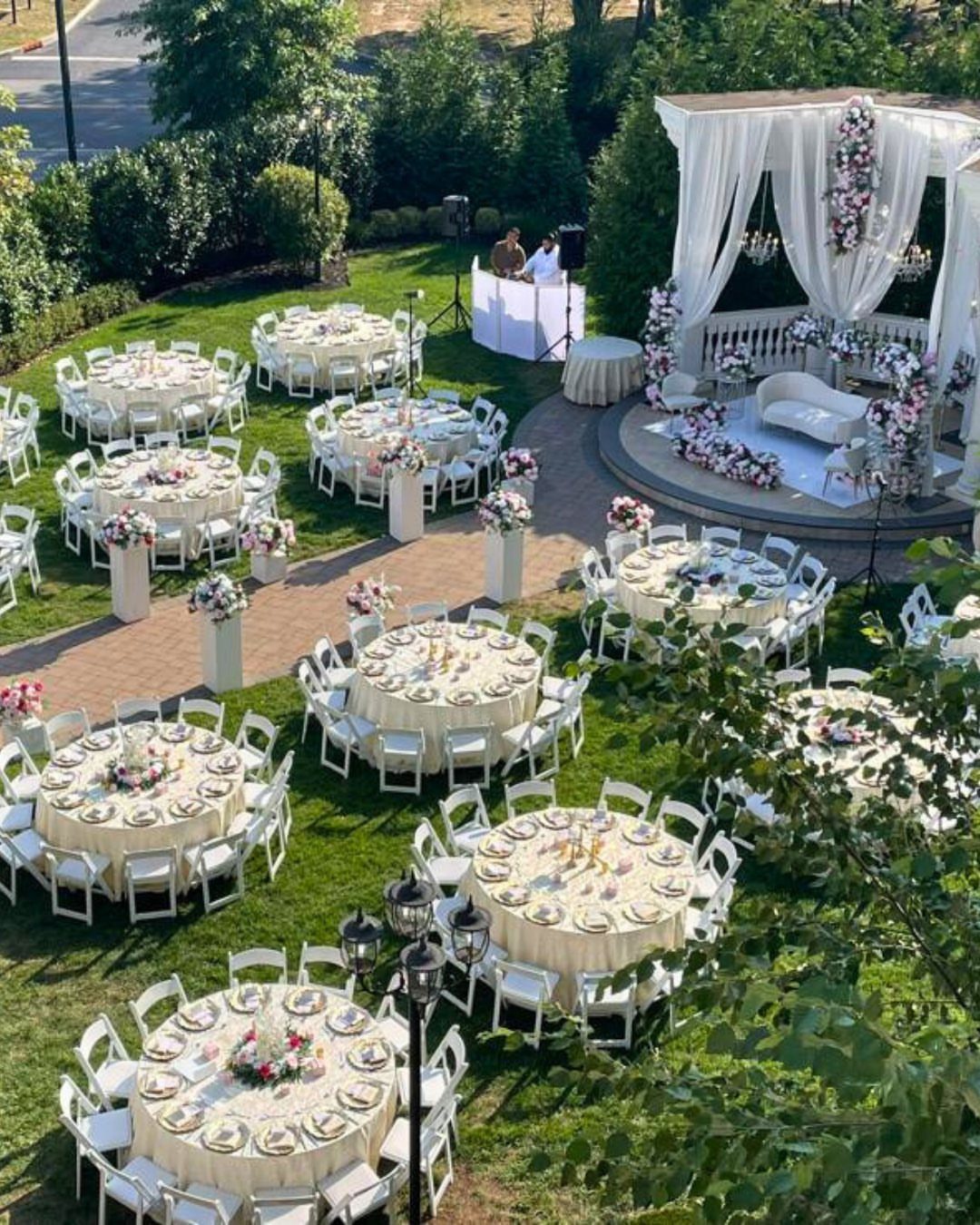
Grass, sky and a draped gazebo can carry a reception with very little added, which is why outdoor venues appeal to couples watching a budget.
A lounge corner like this gazebo gives guests somewhere to sit away from the round tables, and it costs little to add.
Before booking, ask about the rain plan and who supplies tents, chairs and power for the DJ. Those extras can erase the savings you expected from an open-air site.
3. Luxury Hotel Venues
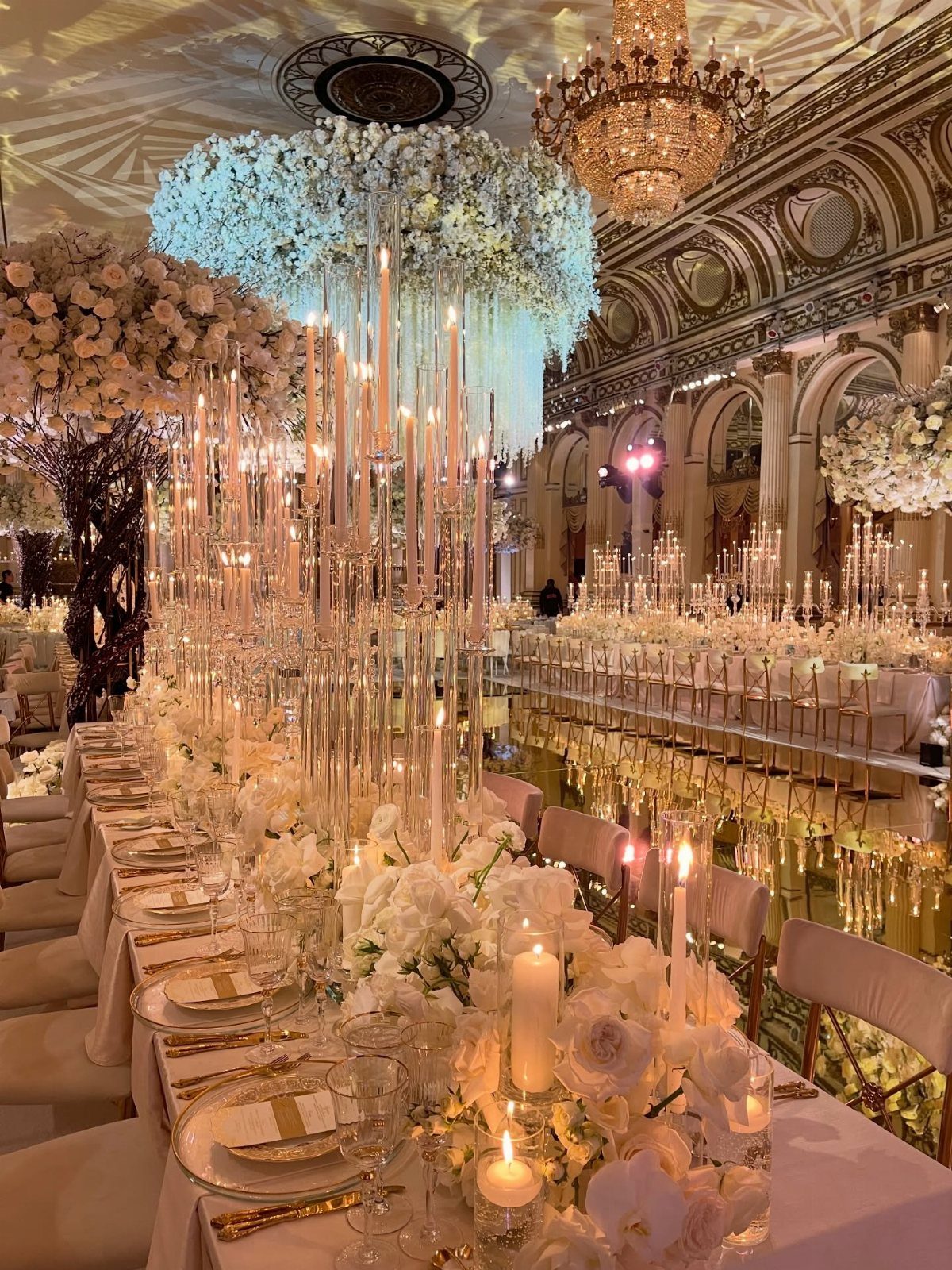
A luxury hotel ballroom brings the chandeliers, candles and polished place settings with it, so decor becomes about adding white flowers and little else.
With everything under one roof, there are fewer vendors to coordinate, which makes a hotel a good fit for a busy pair on a deadline.
Expect to pay for that polish. If the budget is tight, ask what the room already includes before ordering any extras, because a ballroom this dressed may need far less from your florist than you think.
4. Historic Maryland Venues
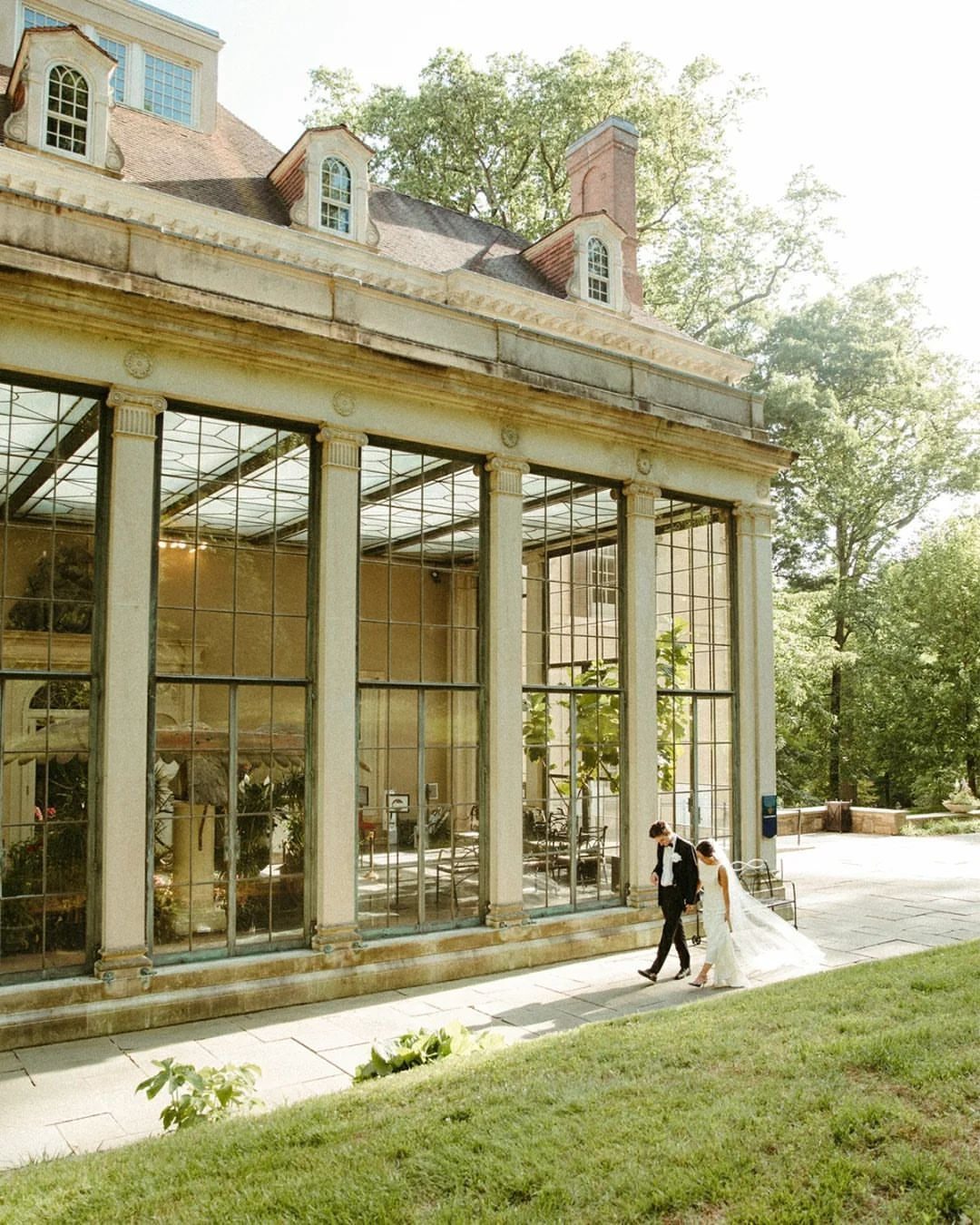
Stone walls, dormer windows and large glass panes give a historic Maryland building a look that new construction rarely matches. A historic venue is the place to start if you want character without much styling.
Old buildings come with their own rules, so ask early about decor limits, guest capacity and what the site allows for the ceremony.
My pick here is a place like this with simple decor, since the architecture is the main attraction.
5. Mansion Wedding Venues
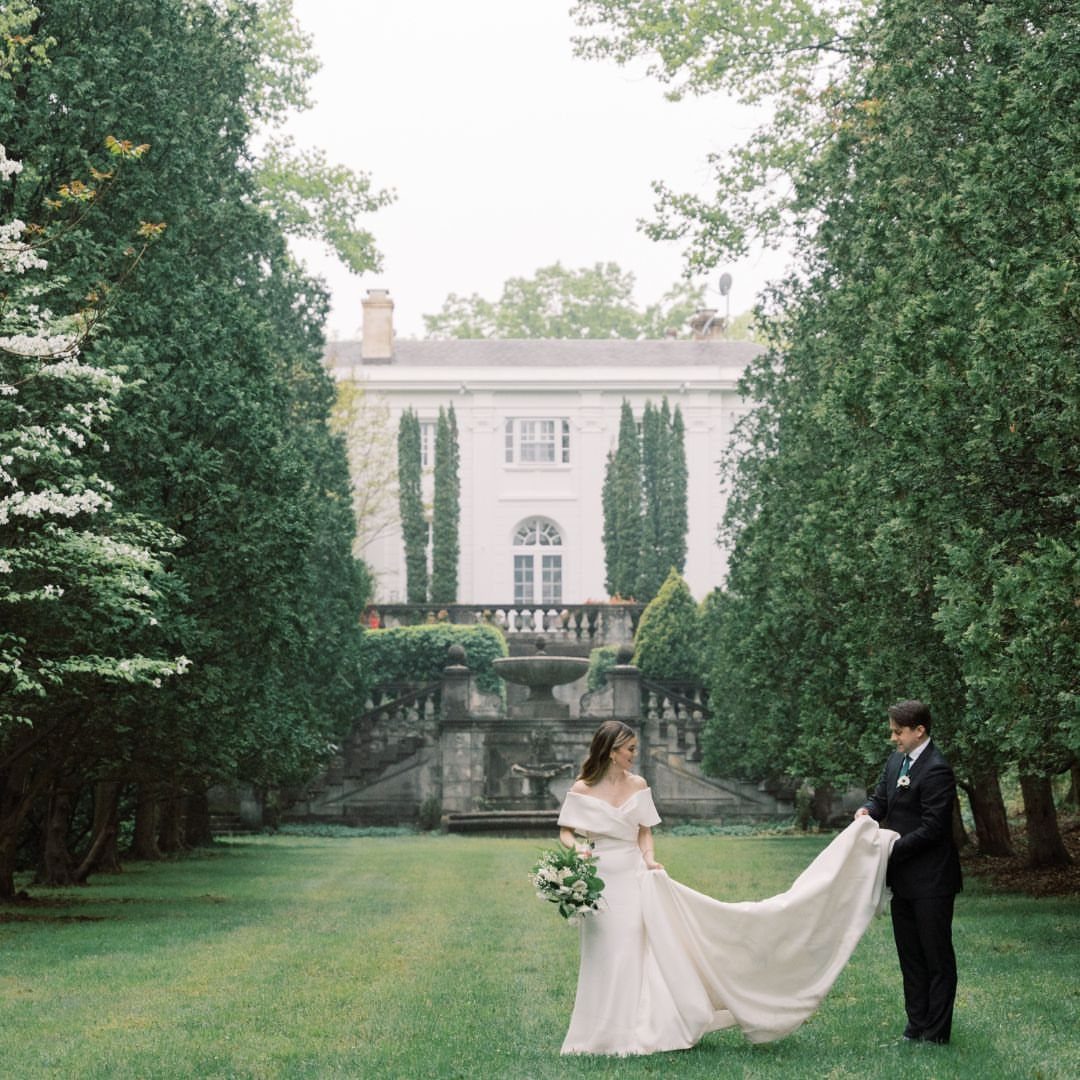
A mansion is the most direct route to a grand setting.
Check that the grounds and the house are both included, and whether the lawn is the ceremony space or just the photo spot. Fountains and hedges mean you can skip heavy decor and spend that money on food.
6. Vineyard Wedding Venues
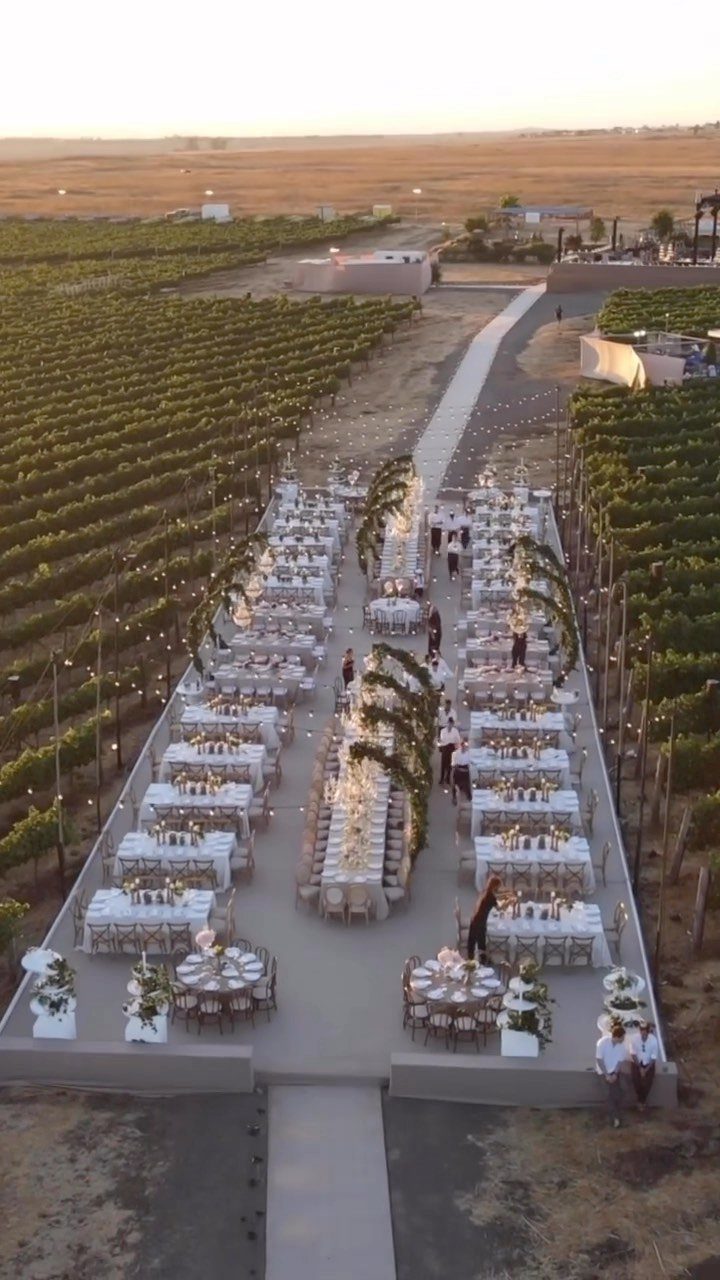
Rows of grapevines make an aisle and a backdrop at once, and long white tables set between them look intentional with very little effort. A vineyard reception feels relaxed but still polished, which is a hard balance to hit elsewhere.
I would choose floral arches like these over heavy centerpieces, since the greenery already fills the view. Confirm the rain plan and the walking surface before booking, because grass between vines can be uneven underfoot.
7. Glass Conservatory Venues
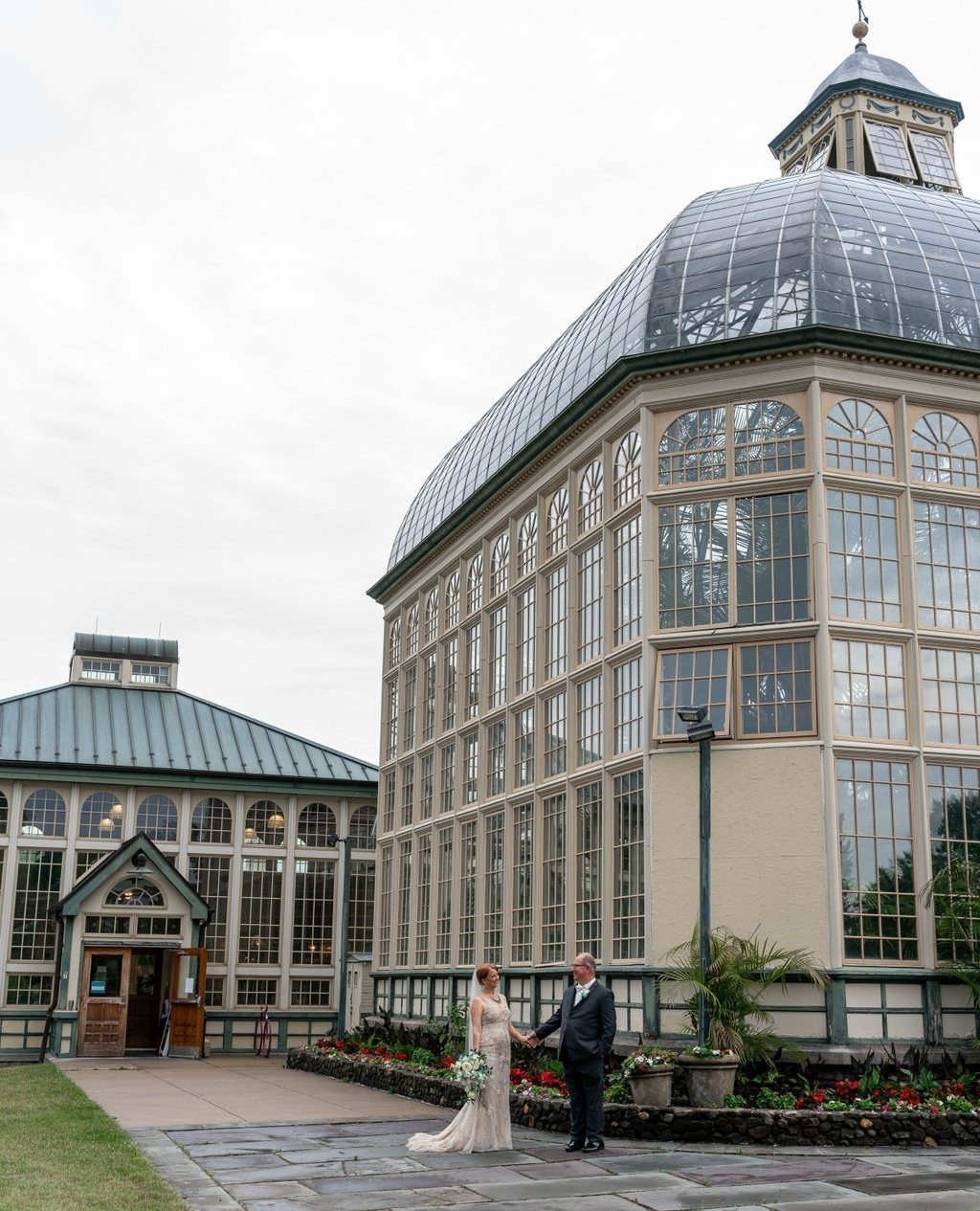
A domed glass conservatory already looks like a landmark before any florist shows up, so the outdoor photos can carry the look. Gardens and a stone walkway around the building also give you a natural route for a processional.
Ask whether the glass hall, the gardens or both are included in the rental. Glass holds heat and light, so check what the space offers for shade and cooling if your date falls in summer.
8. Industrial Brick Venues
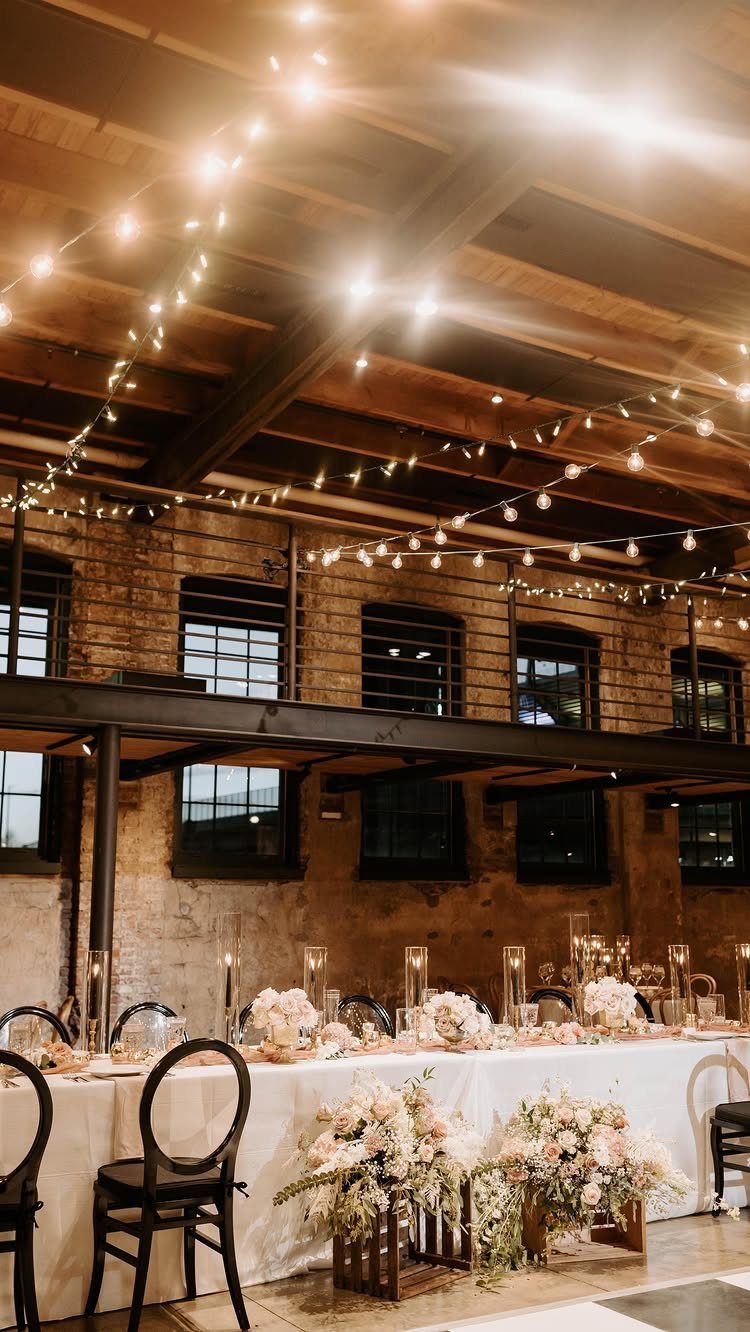
Exposed brick, wooden beams and overhead string lights already supply the mood, which makes an industrial venue a smart pick when the budget is tight.
Skip tall centerpieces that fight the beams for attention. Ask the venue whether string lights are already installed or whether your lighting vendor needs to hang them.
9. Bright Modern Ballrooms
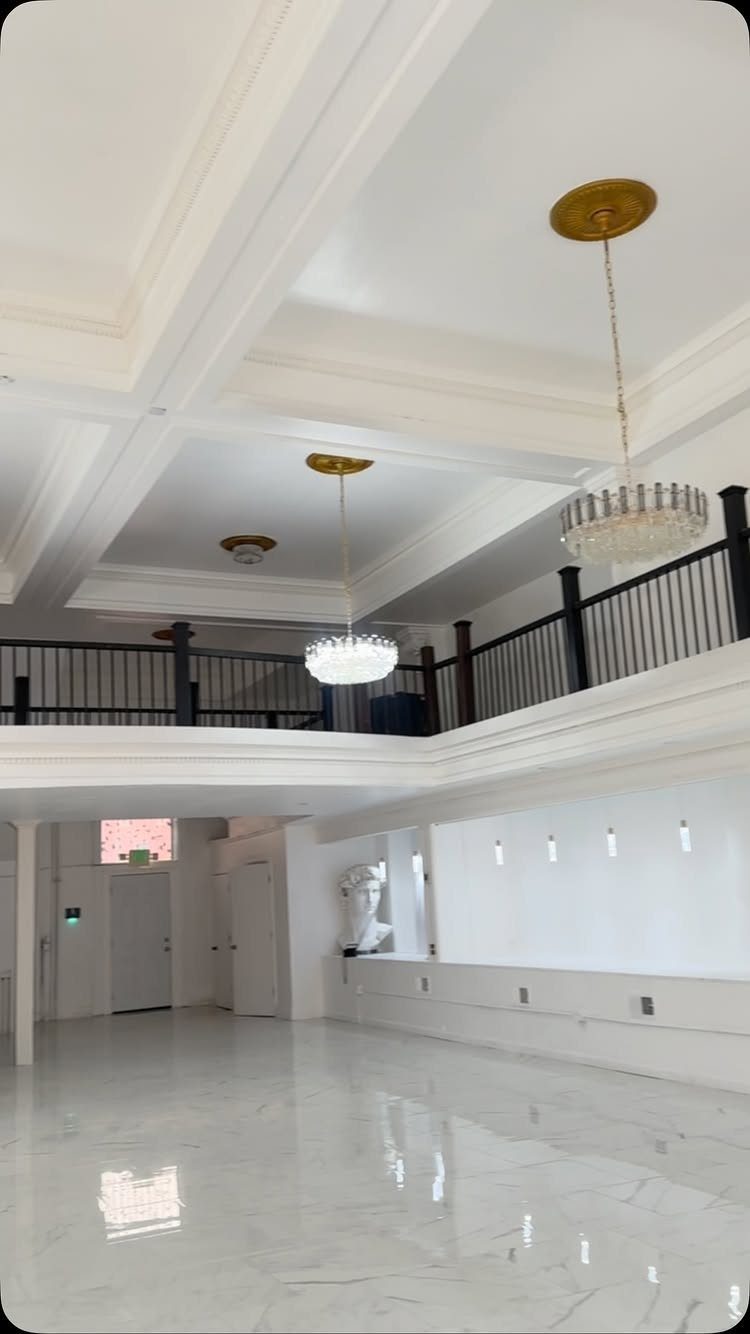
Polished marble floors, coffered ceilings and crystal chandeliers mean a white ballroom arrives fully dressed. Spend on food and music, and keep the decor light, since the room does the work.
A mezzanine balcony is worth asking about: it can serve as a spot for the photographer or for a quiet moment above the crowd.
Confirm what the rental covers before you order extra lighting or draping, because this room may need neither.
10. Modern White Chapels
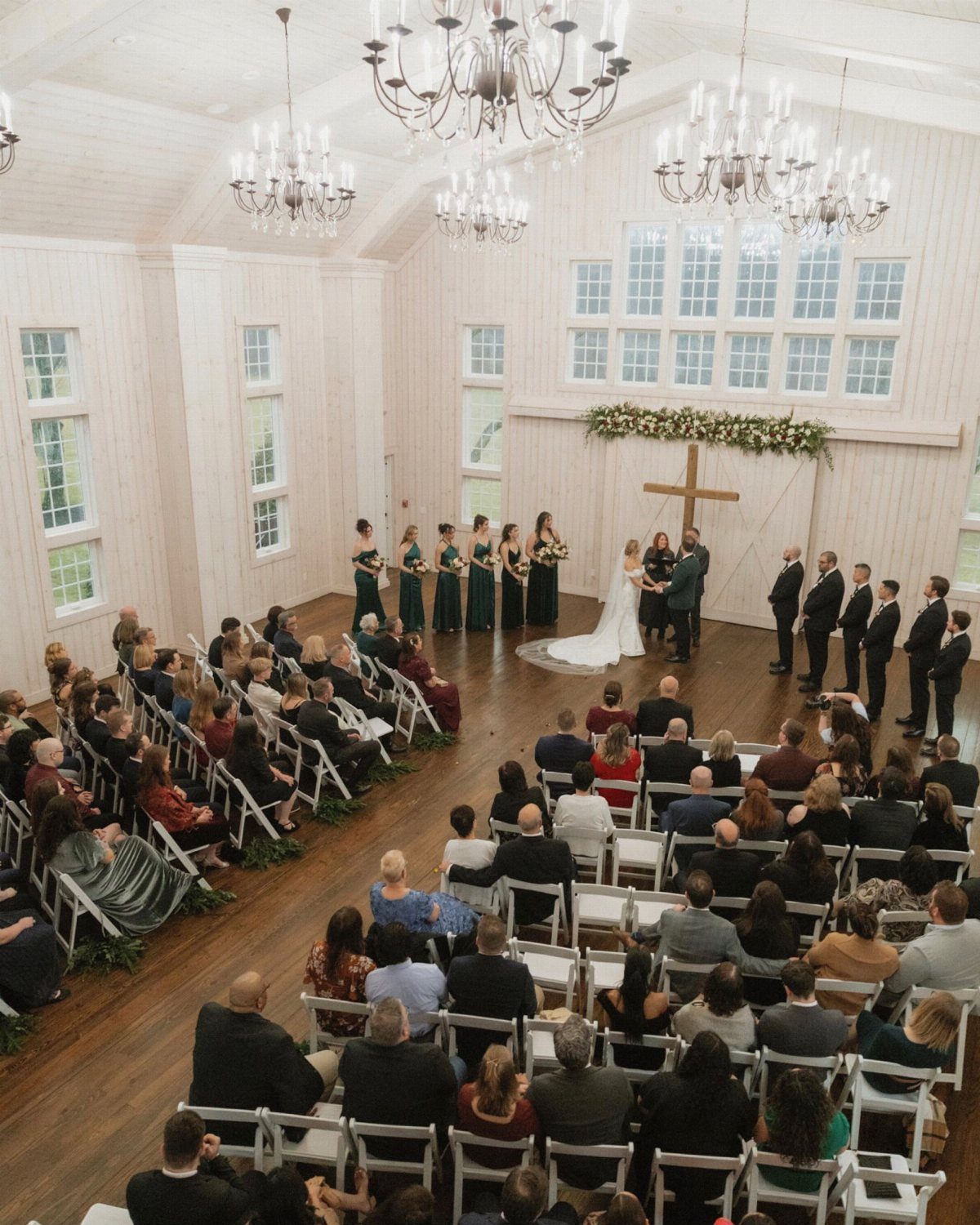
White paneling, wooden floors and a greenery-draped wooden cross make a chapel that feels calm without much effort. My pick is to leave the cross as the single focal point and keep the rest of the decor plain.
Ask how many guests the seating holds, since small chapels fill quickly. Also check whether a reception space is on site, or whether guests need a second venue and a ride to it.
Choosing the Right Venue
Start with the guest count, because it rules out more venues than budget or style does. Write down your realistic headcount before you tour anything, then ask each venue for its capacity in writing.
Capacity varies a lot even inside one property. A single site might hold 300 guests in its pavilion and only 75 in its garden house, so ask which space your date actually covers and whether a rain backup holds the same number.
Then check location: the drive for your guests, and the distance between ceremony, reception and where people sleep.
A venue that fits your budget but sits a long drive from most of your family costs you in attendance, and the people who skip a wedding over mileage are usually the ones you most wanted there.
Start with capacity, then check location, budget and style in that order, and cut any venue that fails the first three.
Venue Amenities
On-site coordination is the amenity I would pay for first. A coordinator who knows the building handles load-in times, vendor access and the order of the evening, which are the tasks that eat your final month.
Required catering simplifies planning but limits your say on the menu, and an outside caterer may add fees.
Lodging on site or nearby means fewer rides to arrange and a calmer morning for the wedding party.
Ask for a list of exactly what the package includes: tables, chairs, linens, setup and cleanup. Bundled packages save time, but only if you compare them line by line against building the day yourself.
Booking Considerations
Popular venues can book out 18-24 months ahead, so start your search as soon as you have a rough guest count and a season in mind. If your timeline is shorter, that is not a dead end.
Less conventional locations tend to have openings sooner, and they often need fewer people to say yes. Weekday and off-season dates open up more of the calendar too.
Have two or three backup dates ready before you call, and ask each venue which are still free. Get the hold terms in writing: how long they keep a date, what the deposit is and whether it refunds.
Frequently Asked Questions
What are some good event spaces in Maryland?
Waterfront piers, vineyards, historic stone buildings, mansions, glass conservatories, industrial brick spaces, hotel ballrooms and small white chapels all work.
Pick by the look you want to pay for, since a dressed-up room like a ballroom or a conservatory needs far less decor money.
Two Maryland spaces I’d put on a first-pass list are Celebrations at the Bay, which seats up to 250 guests with views over the Chesapeake, and Bel Air Armory, a 1915 building that was renovated in 2020.
What type of Maryland wedding venue is right for me?
Start with your guest count, then check location, budget and style, in that order.
Headcount rules out more venues than anything else, so write down a realistic number and get each venue’s capacity in writing. After that, cut any venue that fails on budget, capacity or location before you weigh looks.
How far ahead should I book a Maryland wedding venue?
Popular venues can book out 18–24 months ahead, so start looking once you have a rough guest count and a season. On a shorter timeline, try less conventional locations, weekdays and off-season dates, which open up sooner.
Pick two or three backup dates before you call, and make sure the hold period and the rules for getting a deposit back are spelled out in writing.
What should I ask a wedding venue before booking?
Ask what the package includes: tables, chairs, linens, setup and cleanup. Also ask about the rain plan, the capacity of each space your date covers, and whether catering is required.
Tents, chairs and power are easy to overlook at an outdoor site, and if you have to bring in all three yourself, the lower rental fee can vanish fast.





