The ideas here run from a few quiet minutes fastening a dress together to a picnic spread, and most cost more in attention than in money.
Whatever you choose, build in extra time for transitions, because small groups drift off more than big ones.
1. Cocktail Hour
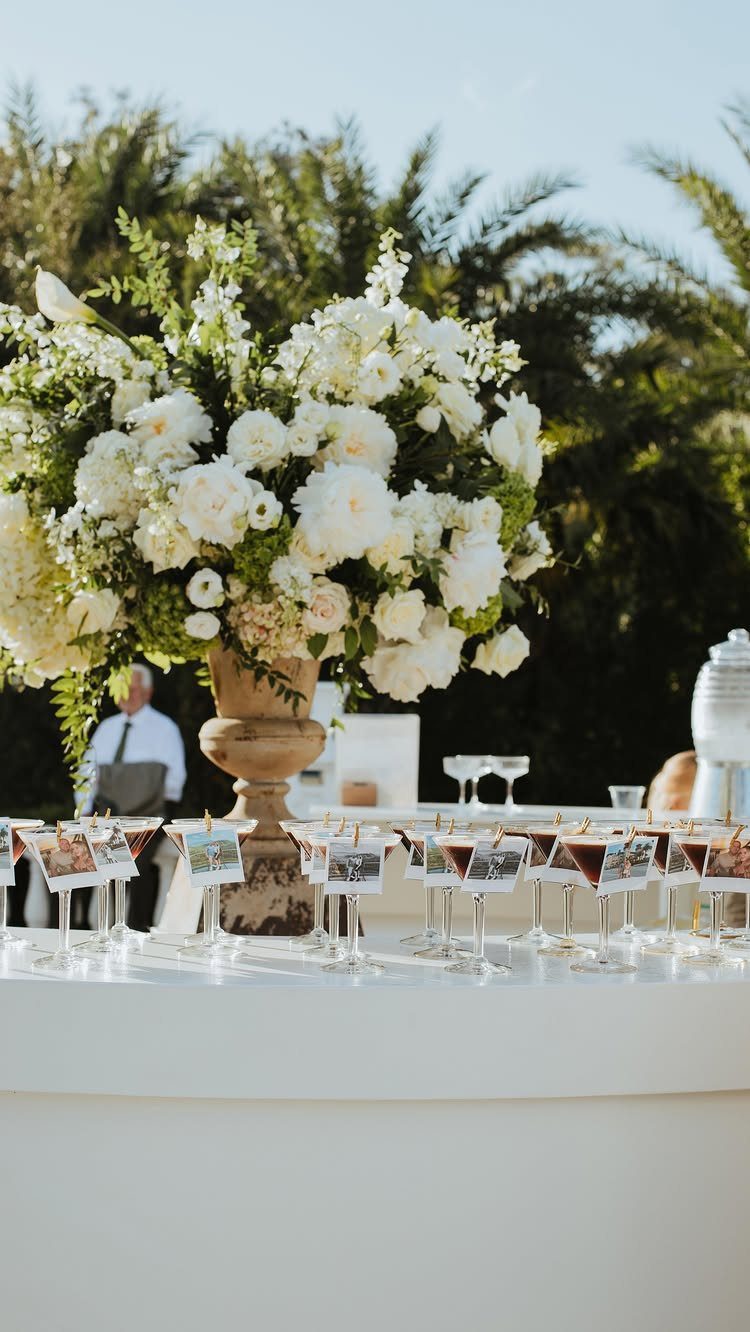
Guests with a drink in hand and nowhere to be will find each other without any help from you.
A micro wedding has so few people that a cocktail hour works as the first real conversation between your families and friends.
Name tags or small charms on the glasses double as a quiet icebreaker, since guests can find their own drink and start conversations with people they haven’t met.
Keep the drink menu short, and put the hour while you and your photographer finish portraits.
2. First Look
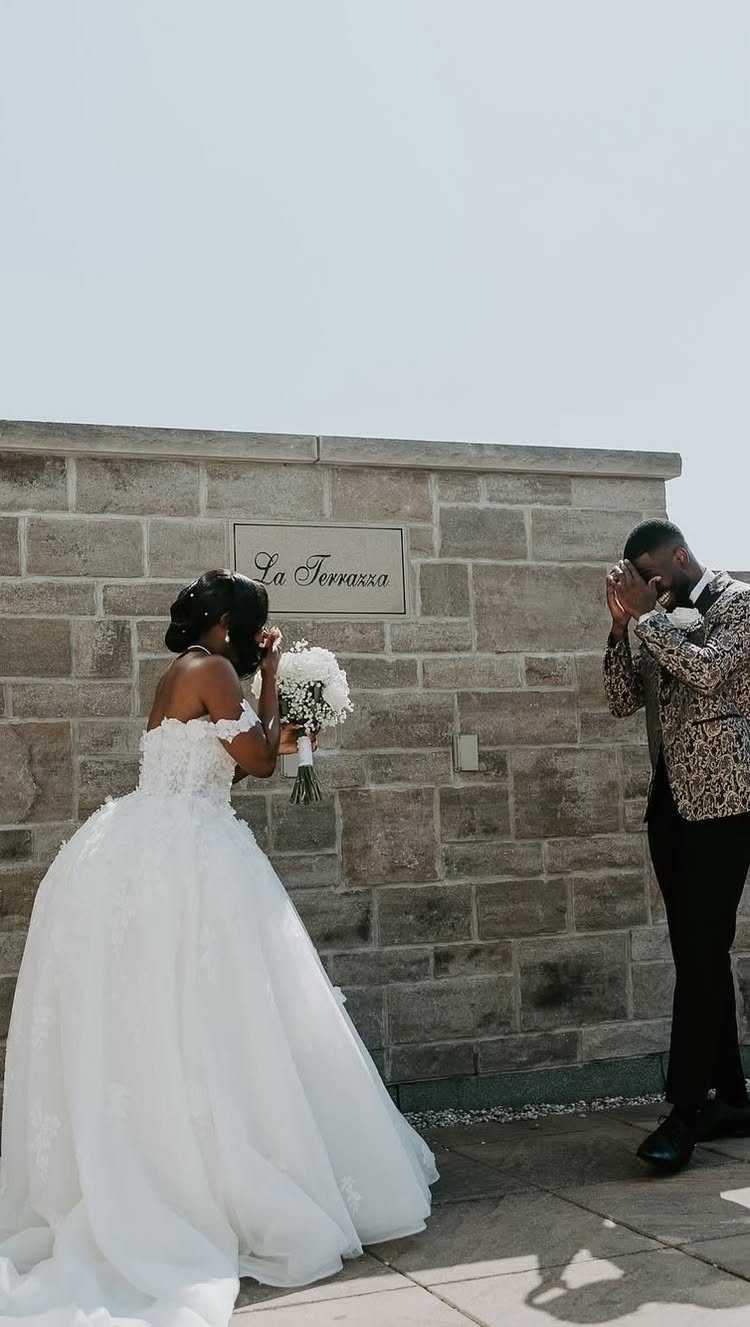
Seeing each other before the ceremony takes the nerves down a notch, and it happens with no audience. Choose a quiet corner, like a stone wall, and have your photographer stay back far enough that you can talk.
For a small wedding, I would take the first look every time. Portraits get done early, so you reach the reception without a gap in the schedule.
3. Getting Ready Together
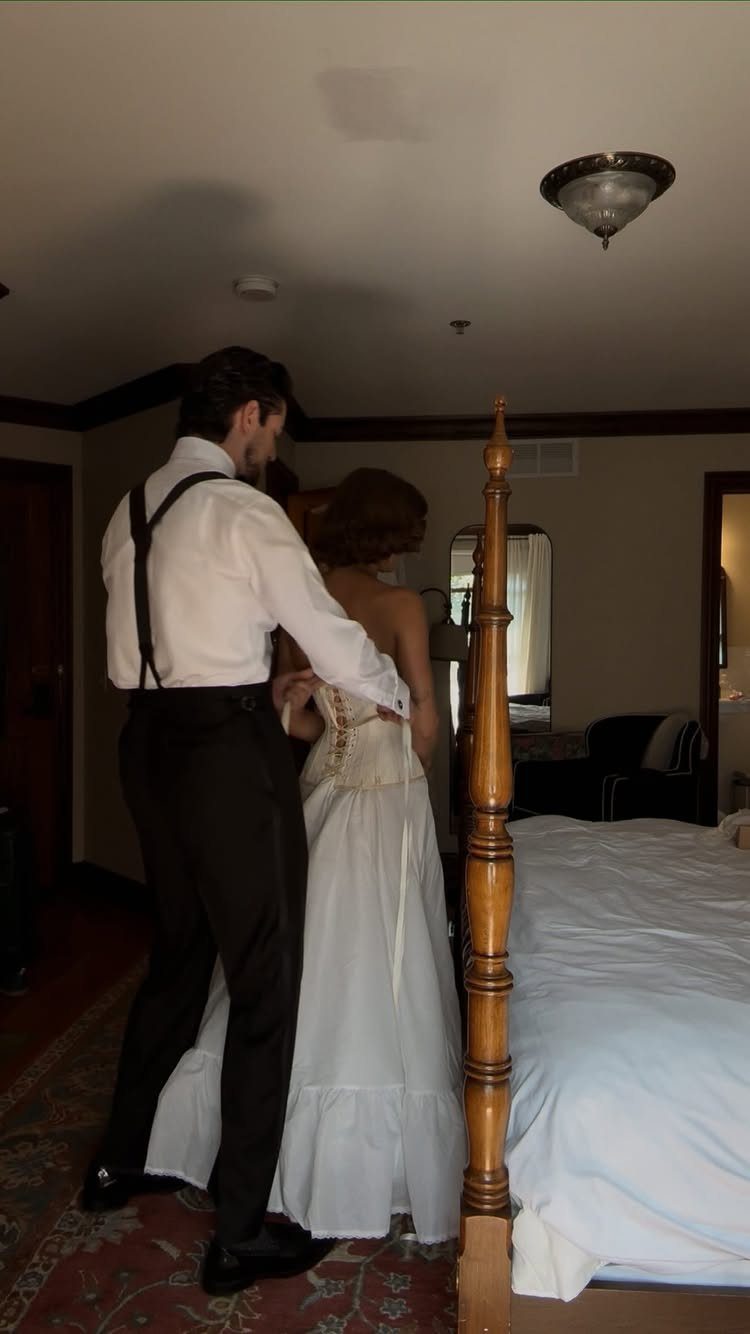
Fastening the back of the dress together turns a chore into a small ritual. A hotel room is enough space, as long as the light is decent and the bed is cleared of luggage.
Keep it to the final dressing moments, since a full morning of you two in one room can run long. If you would rather save the reveal for the aisle, get ready apart and skip this one.
4. Family + Group Photos
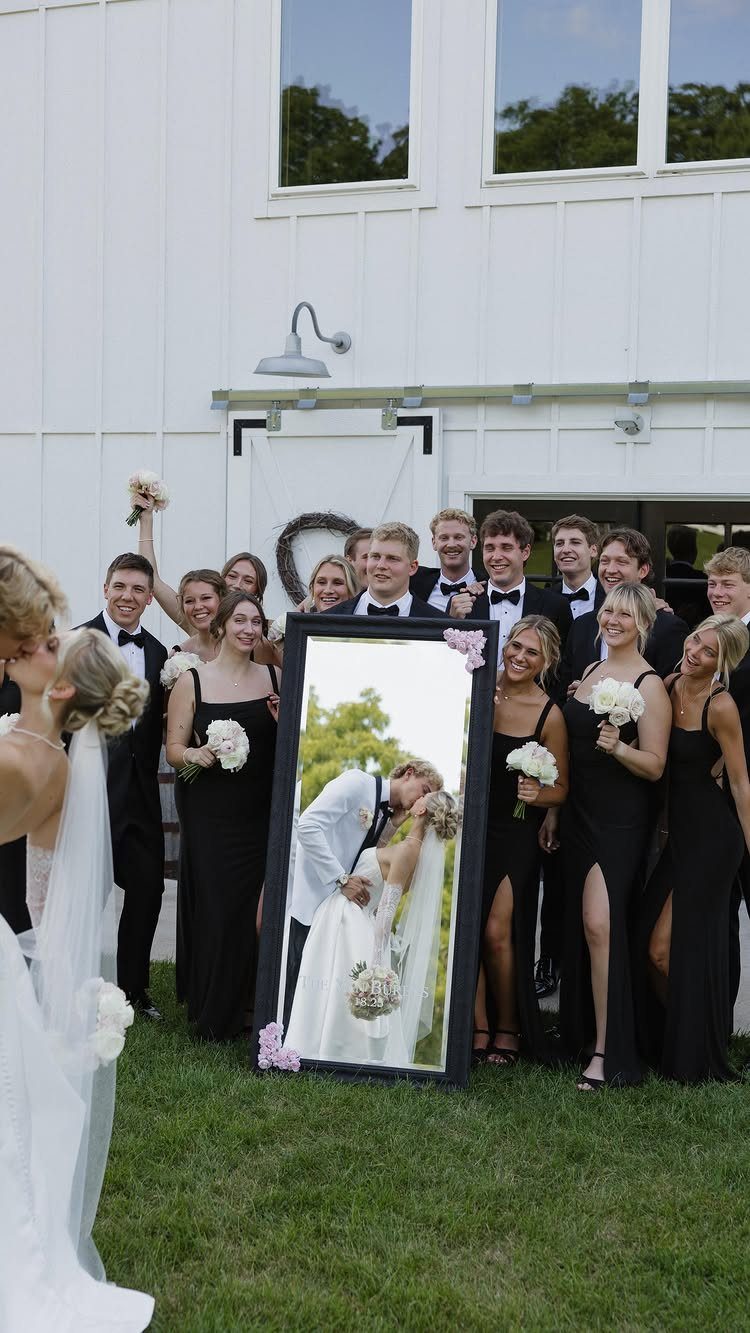
Group photos eat time fast, and with a small crowd that is easy to prevent. Write a short shot list, name each group in order, and give one relative the job of calling people forward.
A small party fits in a single frame, so you may only need a handful of group setups. I like a playful prop like a big mirror; it makes people loosen up and look natural.
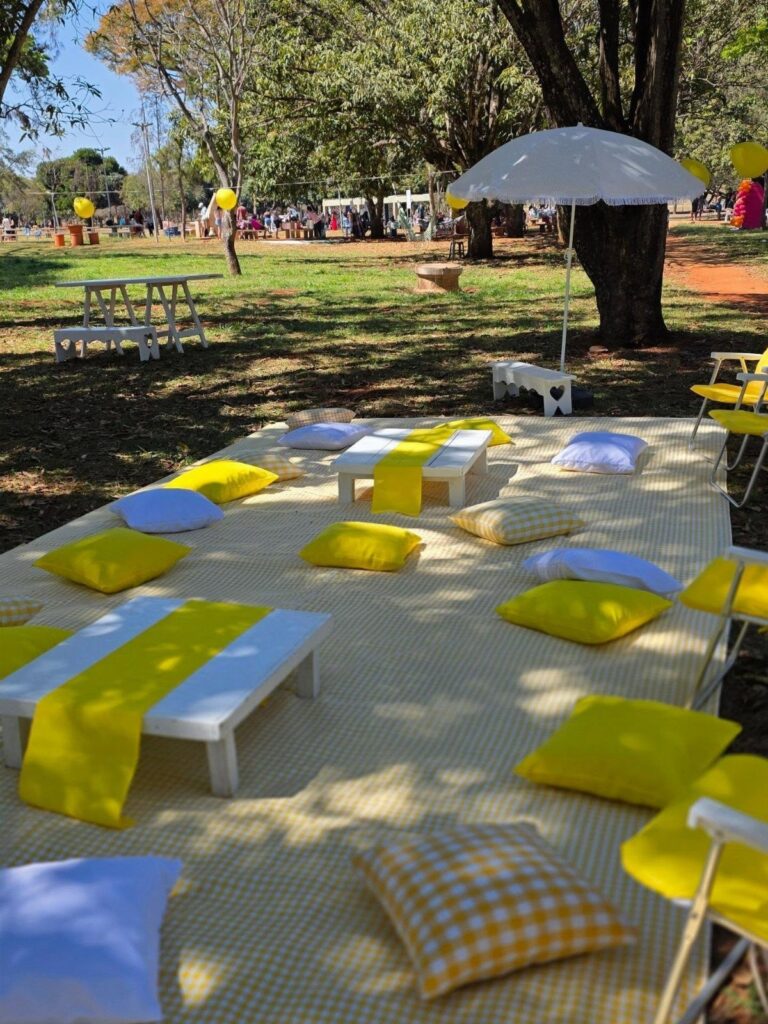
5. Picnic Reception
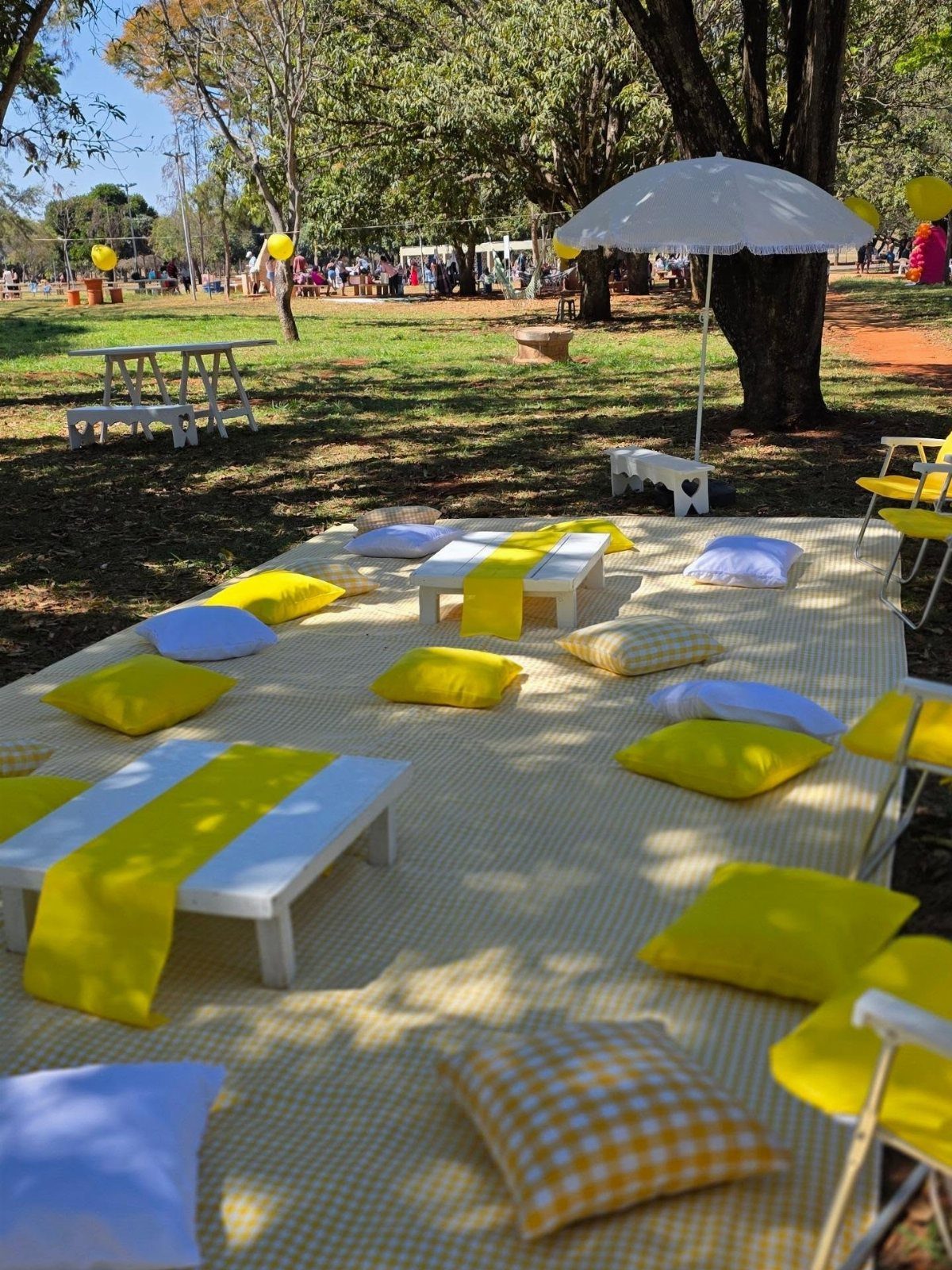
Shade matters, so an umbrella or a spot under trees is worth planning around.
Seating on the ground suits younger guests best. If grandparents are coming, set a few regular chairs at the edge so nobody has to choose between comfort and joining in.
6. Sparkler Send-Off
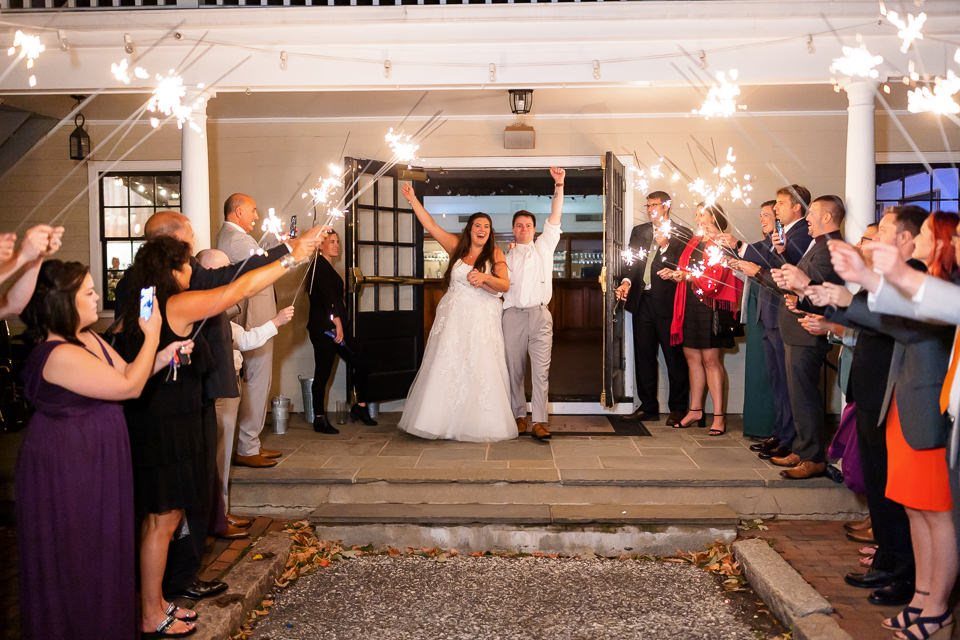
A tunnel of lit sparklers is the one moment that looks bigger than the guest list. A small group is plenty to line a stone patio and light the exit.
Hand out the sparklers just before you leave, and have a couple of helpers ready with lighters so everyone is lit at the same time.
Ask your venue about open flame first, and keep a bucket of water nearby for the used ones.
7. Relaxed Atmosphere
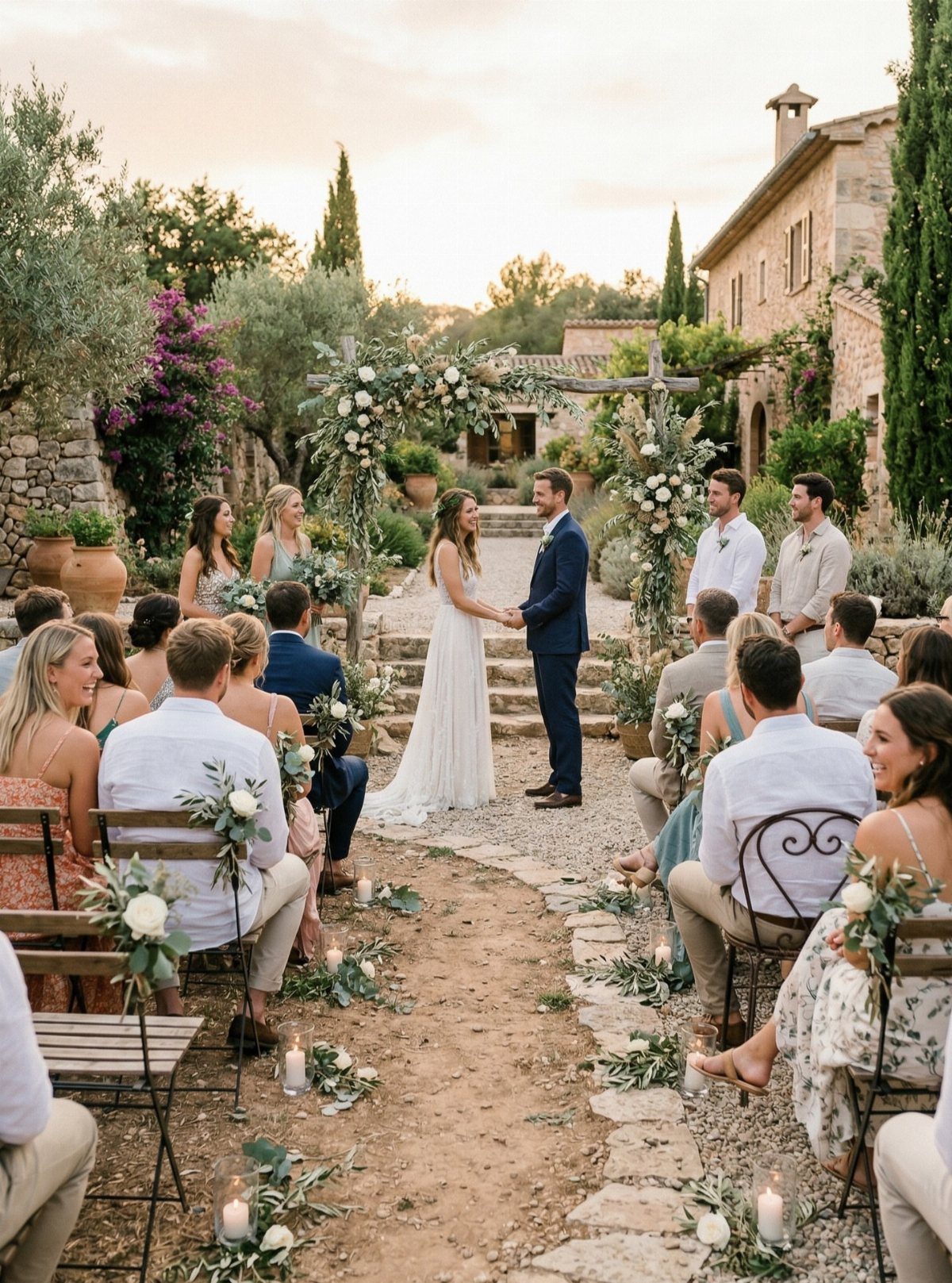
A relaxed day is mostly a matter of what you leave out.
With a guest list this small, you can skip the processional music cues, the formal program and the stiff rows of seating, and let the ceremony run as a conversation among people who already love you.
Keep the setting simple: a small floral arch and a stone courtyard do the decorating, so there is little to style. Tell guests the dress code is semi-formal and the schedule is loose.
I would pick one thing to let slide, like the exact start time, and hold firm on the rest so the day still flows.
Importance of Planning
A timeline written ahead of the day does more for a small wedding than for a big one, because nobody else is carrying the schedule.
Put it in a shared, editable document so you, your photographer and any other vendor are working from the same version.
If your budget allows even a modest planner fee, I think it earns its cost back.
A planner is a separate job from your photographer, and photographers will tell you the same. For a small party, a day-of planner is the one who keeps the schedule moving while you stay in the moment.
Build in extra time for transitions: things run late, people wander off, and moving a group from one spot to the next takes longer than it looks on paper.
Advice for Intimate Weddings
A guest list of 20 or fewer sounds easier to manage than 100, and often it is harder.
A crowd behaves in predictable ways. A handful of individuals does not.
Someone steps away for a minute and the ceremony waits for them.
A guest pulls you aside for an impromptu photo session whenever the mood strikes. Each of these eats into the schedule.
Smaller weddings also lose the built-in structure a traditional venue supplies, so you have to supply it yourself. Pick one person to herd guests from one moment to the next, and tell everyone the order of the day in advance.
Don’t count on a low head count to shorten the day. Plan for the same buffer you would give a bigger party.
Vendor Coordination
Send every vendor the same timeline, and send it again whenever a time changes. One outdated copy is how a florist arrives an hour after the ceremony space was meant to be ready.
Ask each vendor what they need from you and when: setup windows, power access, meal counts, and the arrival time they expect. Then confirm the plan in writing a week or two out.
Give one person, a planner or a trusted friend, the vendors’ phone numbers for the day itself. That way questions go to them and not to you.
Share the transition buffers with vendors too, so the photographer and caterer both know the schedule may slip and by how much.
Frequently Asked Questions
What is a micro wedding ceremony?
A micro wedding is an intimate celebration with a small guest list, often 20 people or fewer.
Think of a micro ceremony as a short, warm talk with your closest people: no printed program, no music cue for every step, and chairs in a loose circle or horseshoe in place of stiff rows.
How do you develop a wedding timeline?
Decide which moments matter most, write the order of the day in a shared, editable document, and send that same version to every vendor.
Send the updated version to everyone each time a time shifts, and pad each gap between steps by 10–15 minutes, since moving even 20 people from the ceremony to the table takes longer than the schedule suggests.
If travel between locations is involved, count that time too.
Is a 4 hour wedding too short?
No, 4 hours works well for an intimate wedding with a small reception.
One sample schedule runs: 45 minutes of getting ready, 45 minutes for the first look and couple portraits, a 30-minute ceremony, 30 minutes of family and group portraits, then a 60-minute reception with cake cutting, toasts and a first dance.
A first look keeps portraits early, so the reception starts with no gap.
Does a small guest list make the wedding day shorter?
Not reliably. A handful of people is less predictable than a crowd: someone steps away and the ceremony waits, or a guest asks for an impromptu photo session.
A guest list of 25 still needs the same cushion a 120-person party gets, plus one friend or helper whose only job is to gather people and point them to the next thing.
Should I hire a planner for a micro wedding?
Even a modest fee, often a few hundred dollars for a day-of coordinator, tends to pay for itself in stress saved, and I would shift money from décor to cover it.





