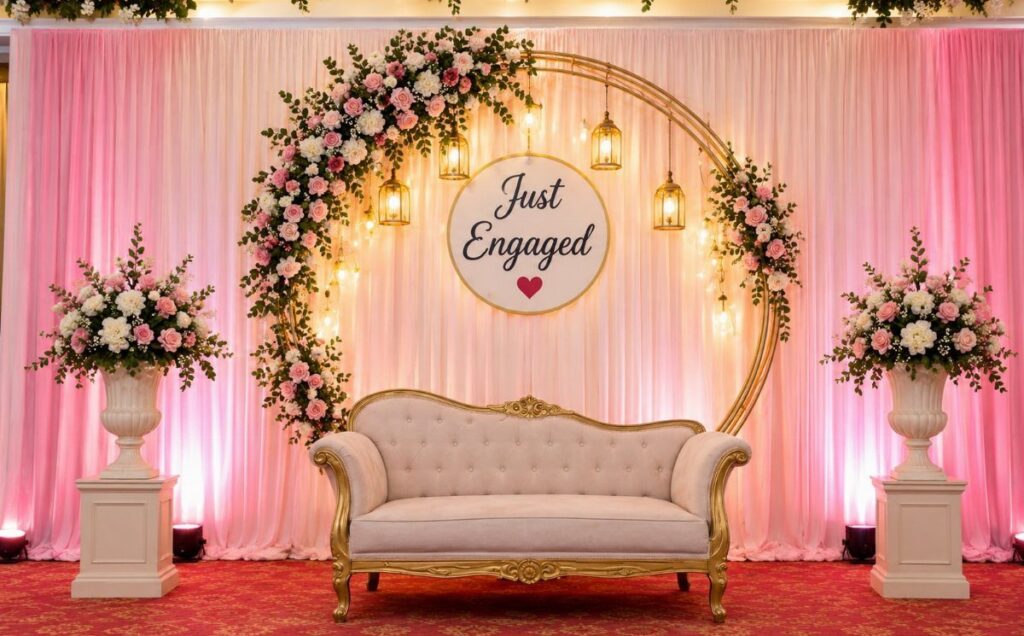
The events in this timeline run from the engagement party to the first dance, and most of what falls between them is optional, so the guest list and your budget decide which ones you keep.
Guest list management picks the party for you: a rehearsal dinner serves only the wedding party and family, while a welcome party should include everyone who traveled.
Whatever you keep, the schedule has to be written down and shared with every vendor, because small delays stack up until a late start leaves the reception 45 minutes behind.
1. Rehearsal Dinner
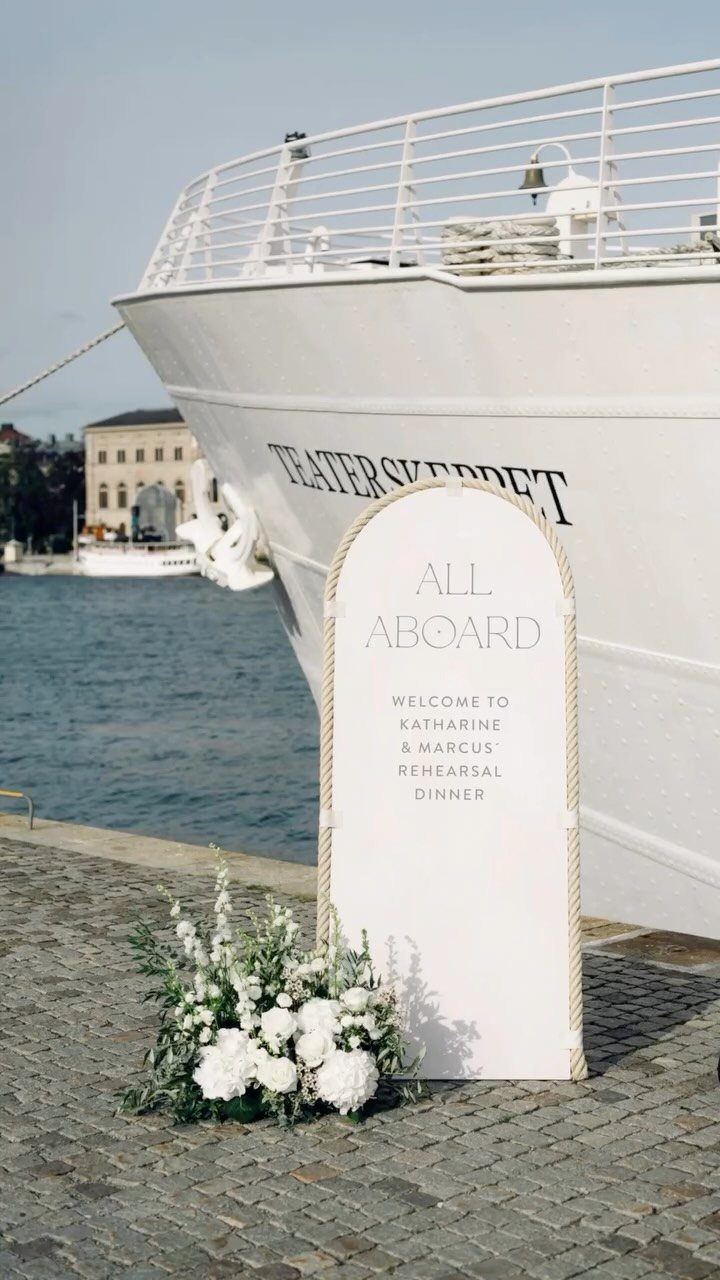
A rehearsal dinner works best when the setting gives guests something to talk about before they sit down, and a welcome sign at the entrance does that job.
Keep the guest list to the wedding party and family, since that is who the evening is for.
Book it for the night before the wedding, and pick a restaurant or space you can lock in early. A smaller dinner also leaves more of your budget for the wedding day.
2. Engagement Party
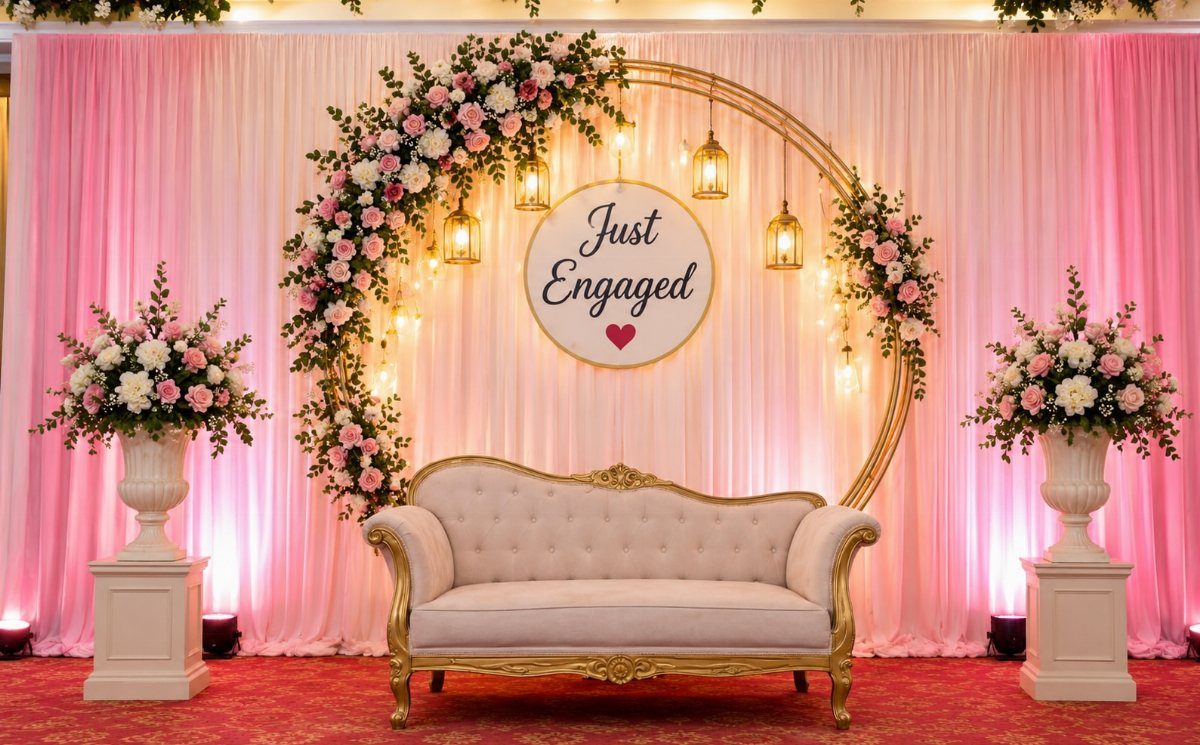
An engagement party is the cheapest big celebration on the timeline, because you control every piece of it.
A backdrop with a "Just Engaged" sign and a comfortable sofa gives guests a spot for photos, and that single corner can carry the whole look.
Skip the full decor budget. Spend on one focal point and let the rest stay simple, since the real wedding is still ahead of you.
Hold it in the first months after the proposal, before the invitations go out.
3. Bridal Shower
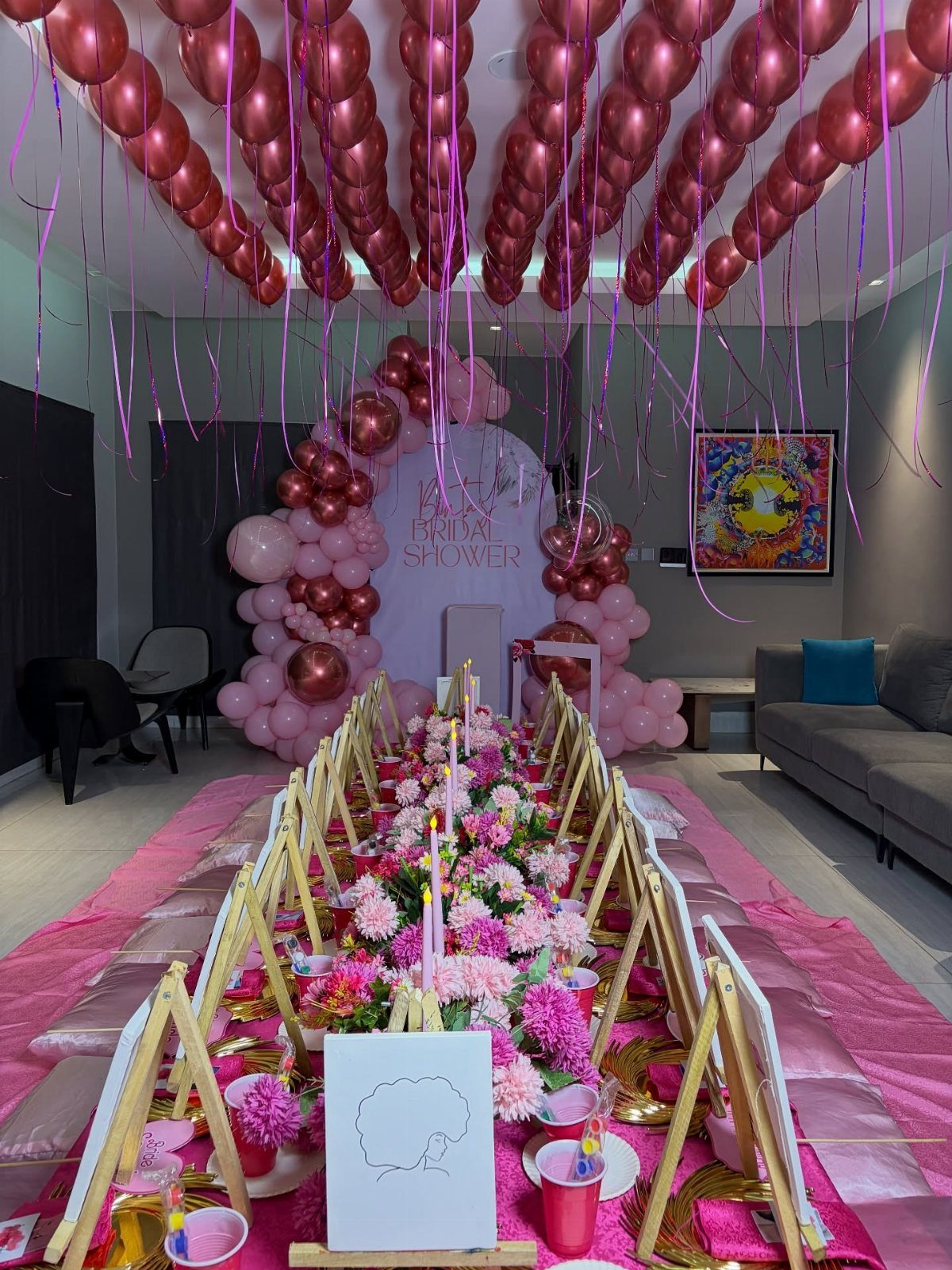
One sign naming the occasion tells guests what the party is for.
Gifts are the point of this party, so give the host a guest list that stays close to your wedding list. That way no one gets a shower invite and misses the wedding.
I would pick one color and stay with it. Pick one color for balloons and flowers and the room looks planned without costing much more.
4. Bachelorette Party
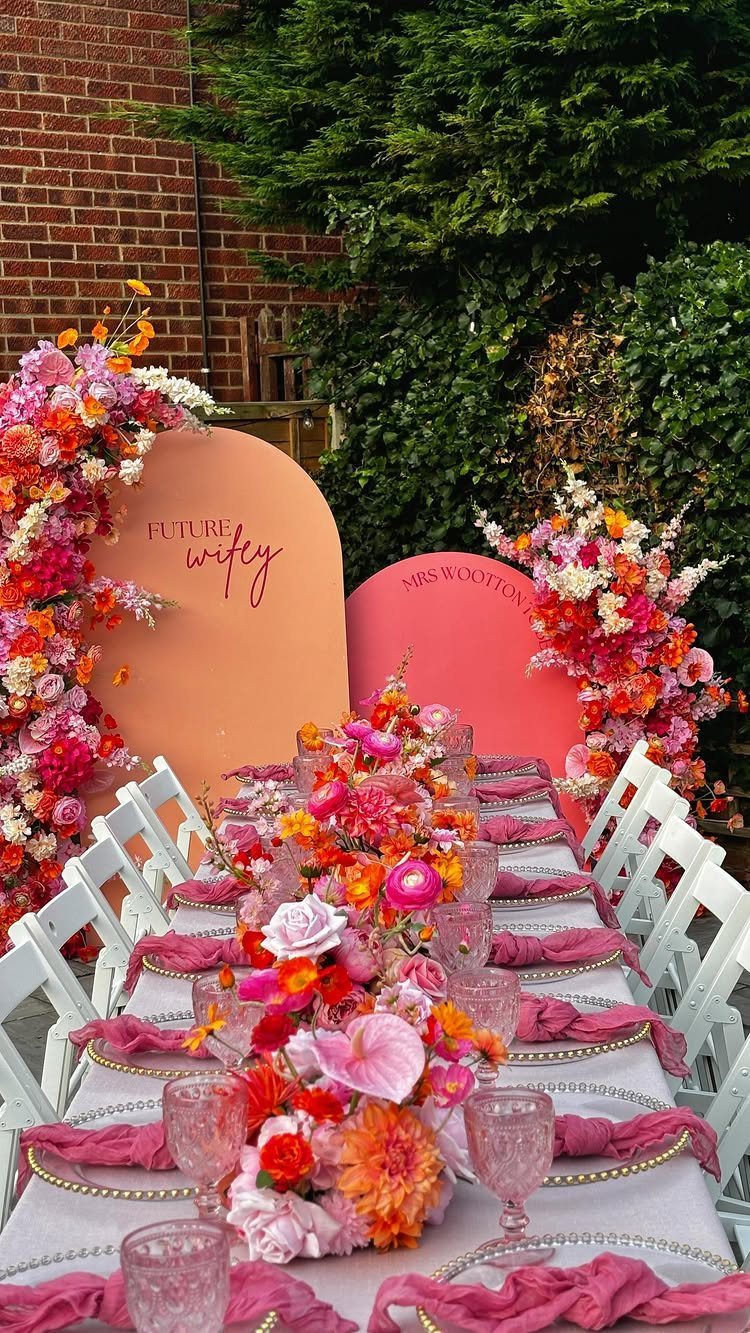
Bachelorette plans get big fast, so decide the budget before anyone picks a destination. A simple dinner with pink linens, flowers and a custom sign like "Future Wifey" can feel like a full celebration at home prices.
Arched backdrops are a good place to spend a little. They photograph well and give the group a spot to gather.
Send the date early, because friends need time to plan their own costs.
5. Cocktail Hour
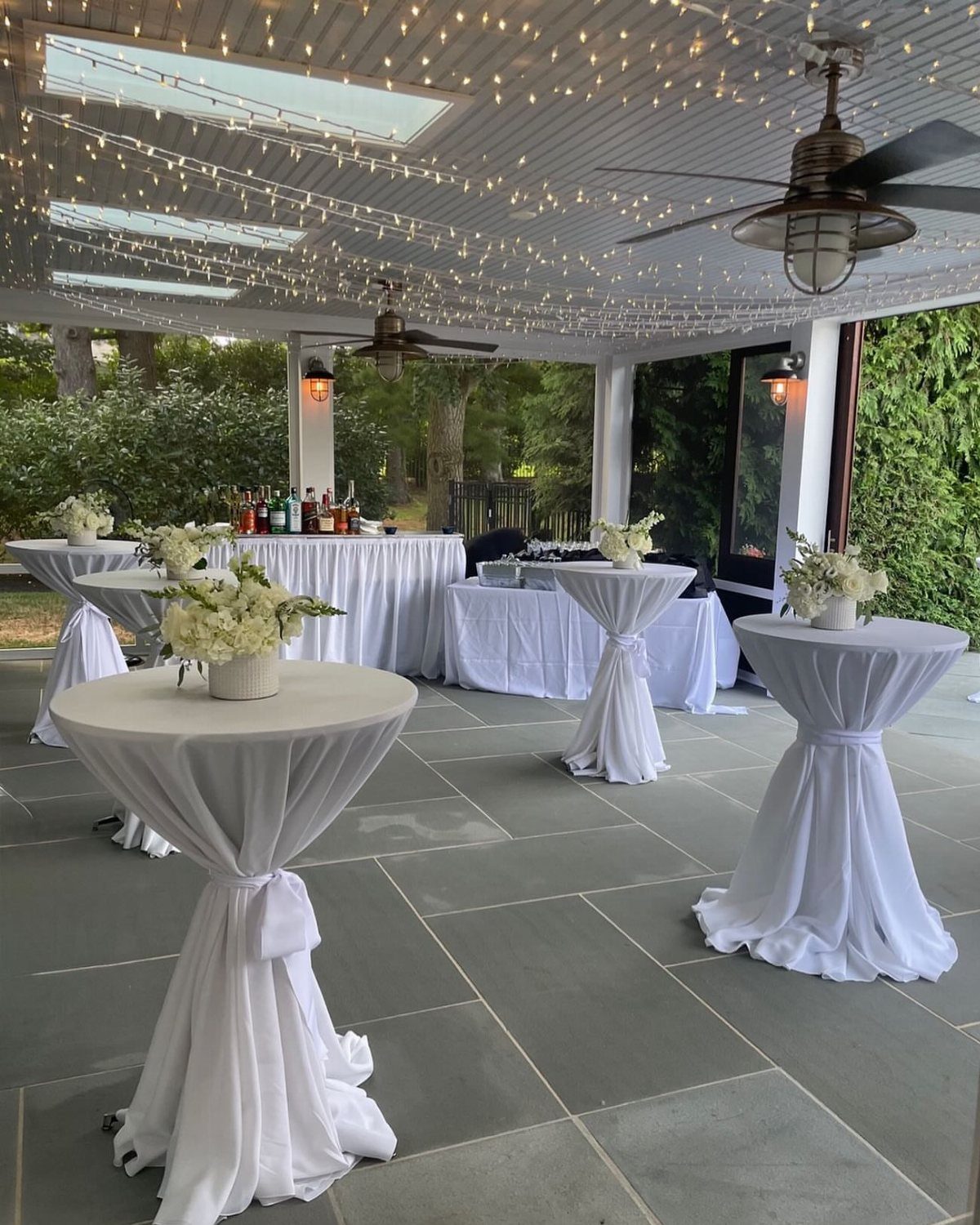
Cocktail hour fills the gap between the ceremony and the reception, and the room needs somewhere for guests to stand and set a drink down.
Put the bar where guests can see it as they arrive, so the line forms away from the doorway.
Plan it so guests have drinks, music and something to eat while the ceremony space is reset, and so they are never left standing around wondering what comes next.
6. Guest List Management
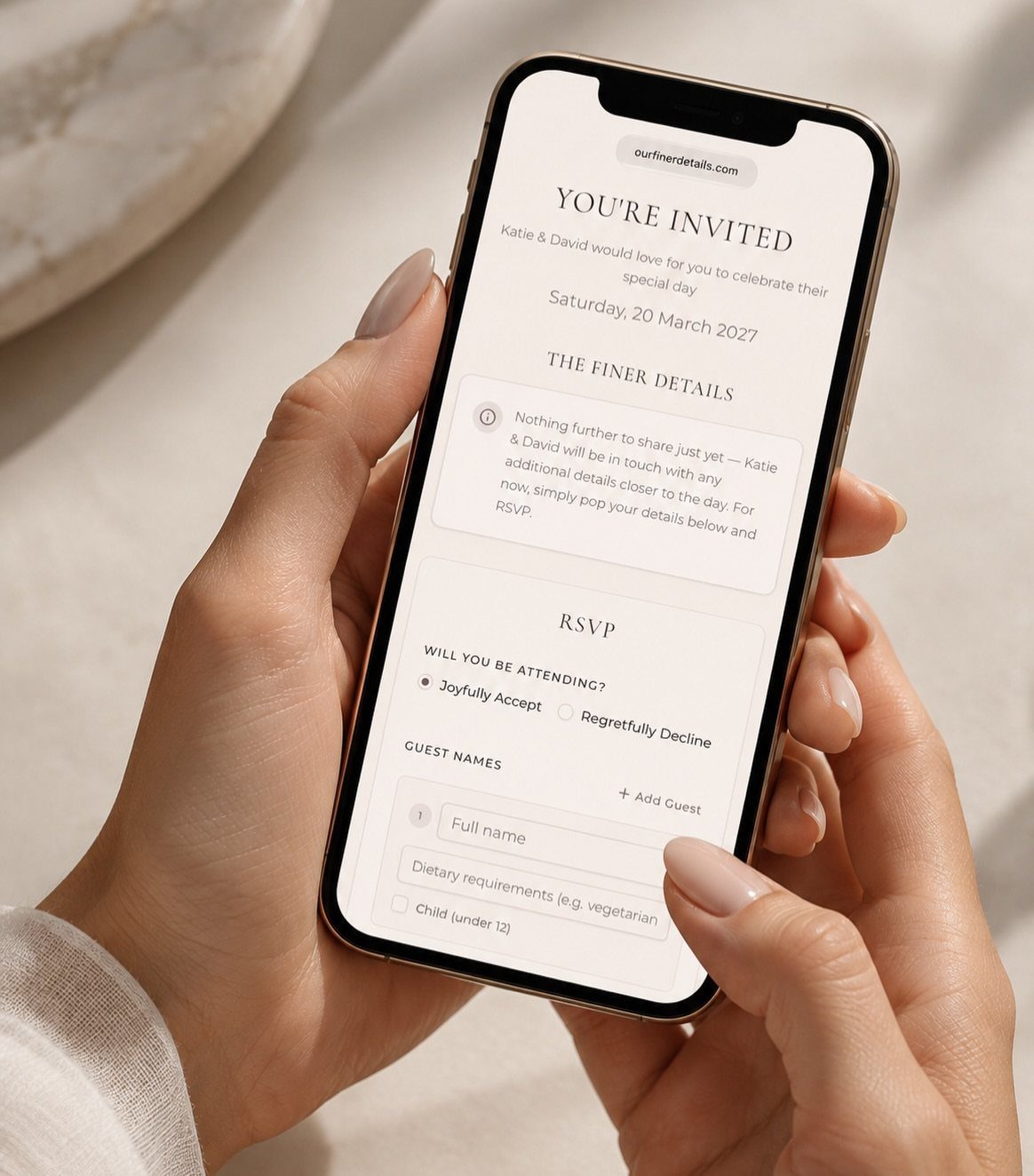
An online RSVP form saves you from chasing replies by text.
Put the wedding date on the invitation, and set a firm reply deadline well ahead of the event. Then follow up personally with anyone who has not answered.
Keep one master list and update it every time a reply comes in. Your final headcount drives the budget, so it needs to be right.
7. Welcome Party
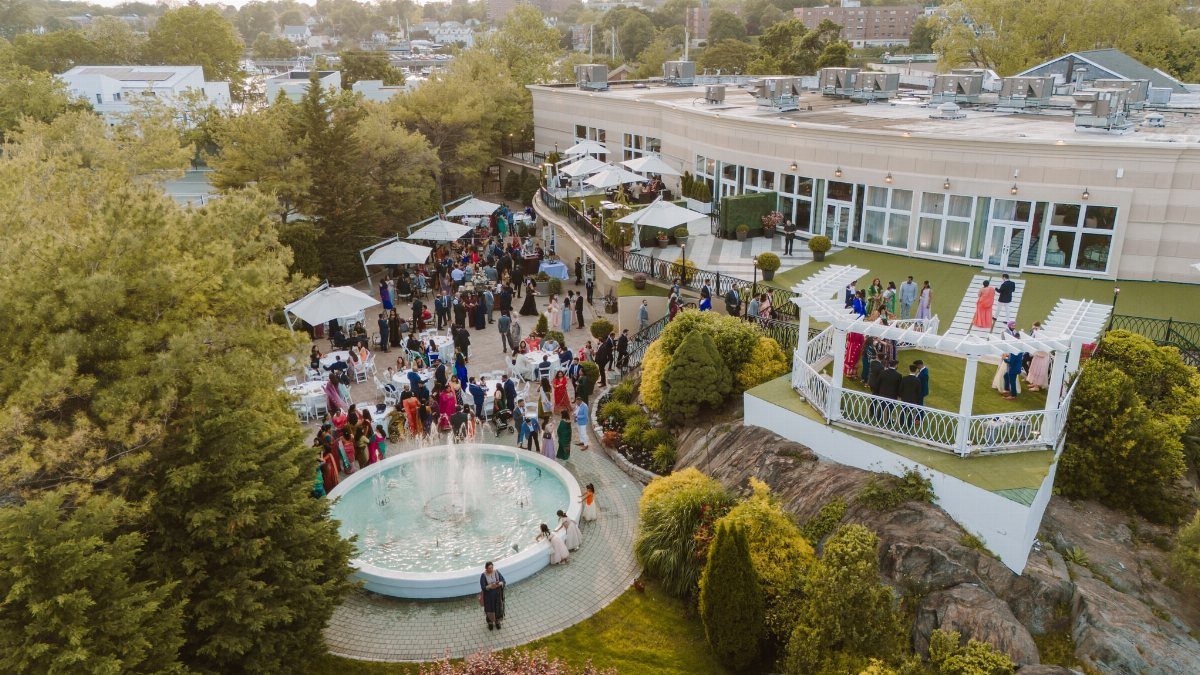
Out-of-town guests arrive tired and knowing almost no one, so a casual daytime gathering outdoors, like a patio with room to mingle, lets them meet before the wedding day. Keep it relaxed: drinks, light food and space to stand around.
I would invite everyone who traveled, not just family. Pick a spot near where most of them are staying.
Send the time with the invitation so guests can plan their flights around it.
8. First Look
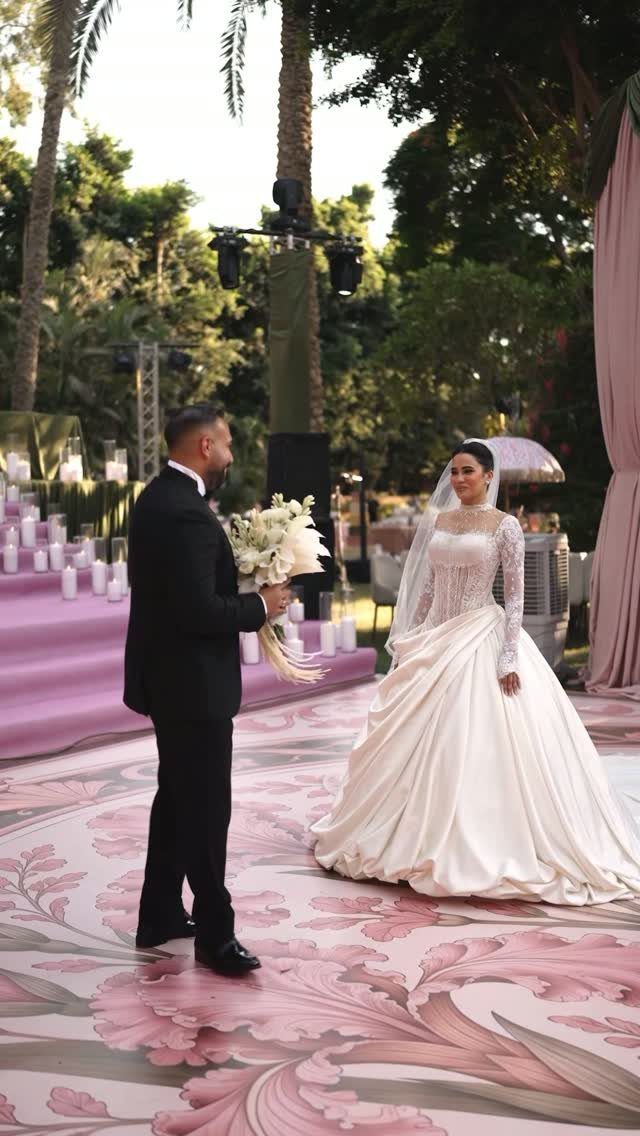
A first look puts the two of you face to face before the ceremony, privately, with only the photographer nearby. It also moves portraits ahead of the ceremony, which keeps cocktail hour open for you to attend.
Block out 30 minutes for the whole first look, and if the meeting spot sits far from where you’re getting ready, a 15-minute walk or ride may eat half of that before anyone sees anyone.
Choose a quiet corner with greenery or candles, so nothing behind you competes with the moment.
9. Family and Wedding Party Photos
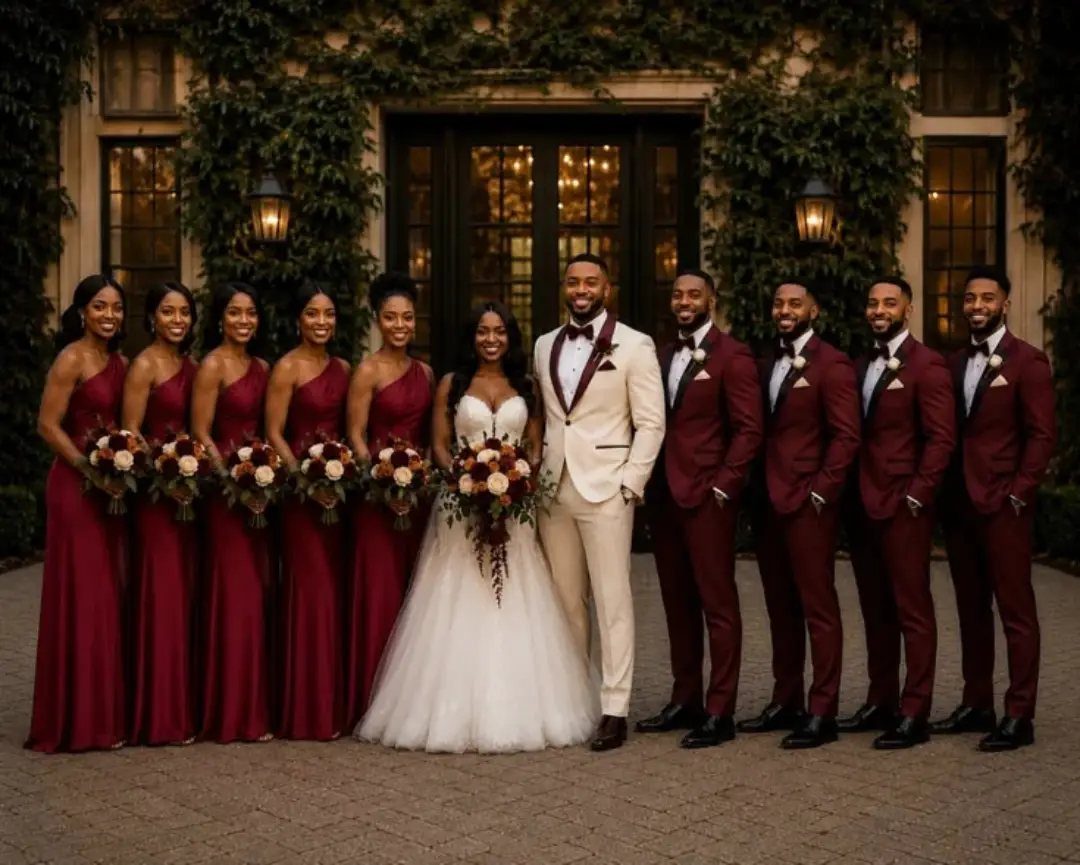
Group shots matter more than most couples expect, since these are the prints that end up in frames on grandparents’ walls.
Write the shot list ahead of time: couple with each set of parents, then the full wedding party, then smaller combinations.
Give one friend or relative the job of calling people into place. A photographer who has to hunt for guests burns time you are paying for.
I like attendants dressed in one shared color, since it makes a large group look pulled together.
10. Pre-Ceremony Photos
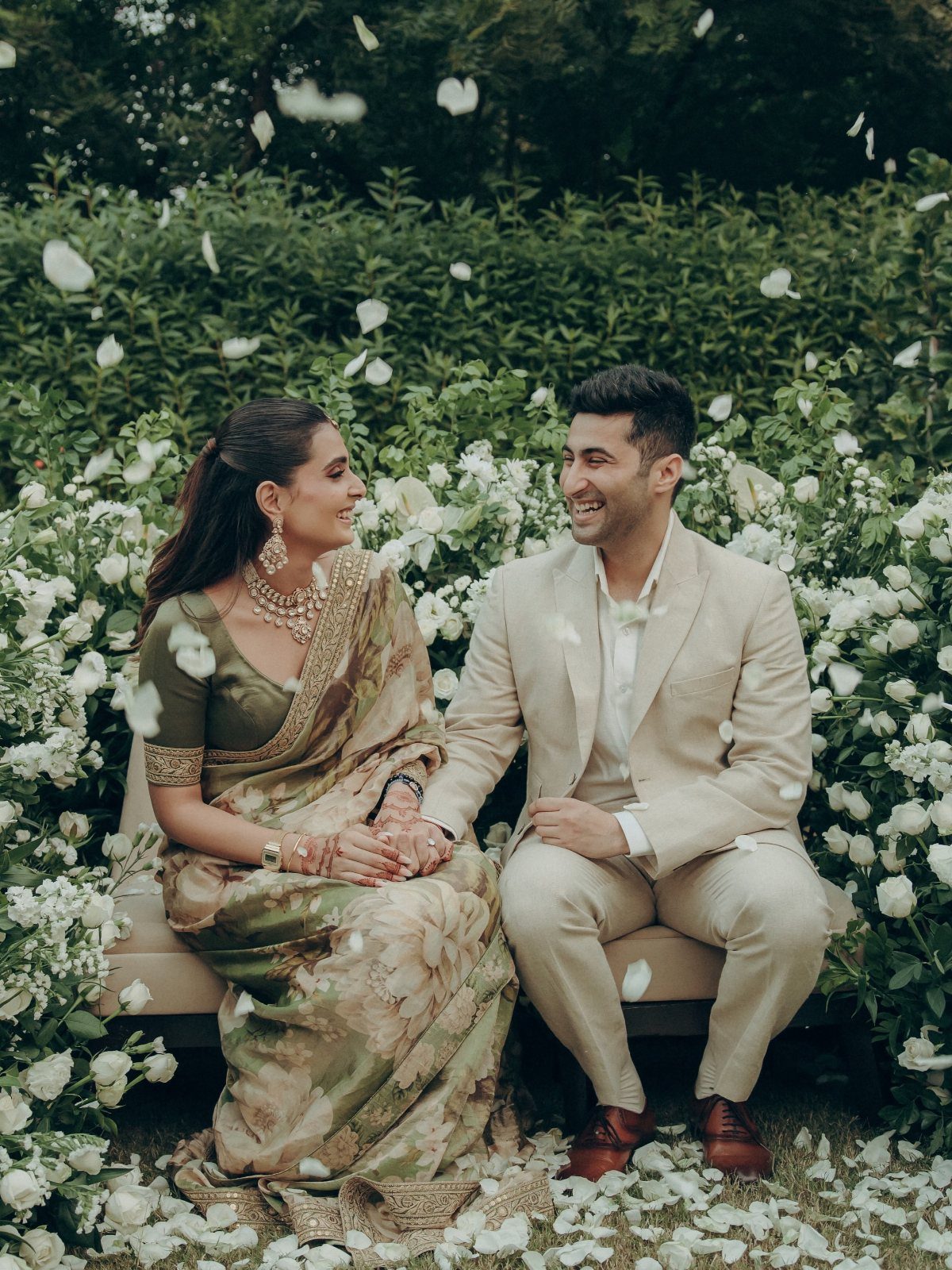
Pre-ceremony photos catch the hours when nerves and excitement run highest, and that mood shows on camera. Sitting together somewhere quiet, in your wedding clothes, gives you a calm stretch before the day speeds up.
Set a start time with your photographer and build in a buffer, because getting dressed always runs long.
Pick a spot with soft decor, like flowers, so the photos feel finished without extra props.
11. First Dance
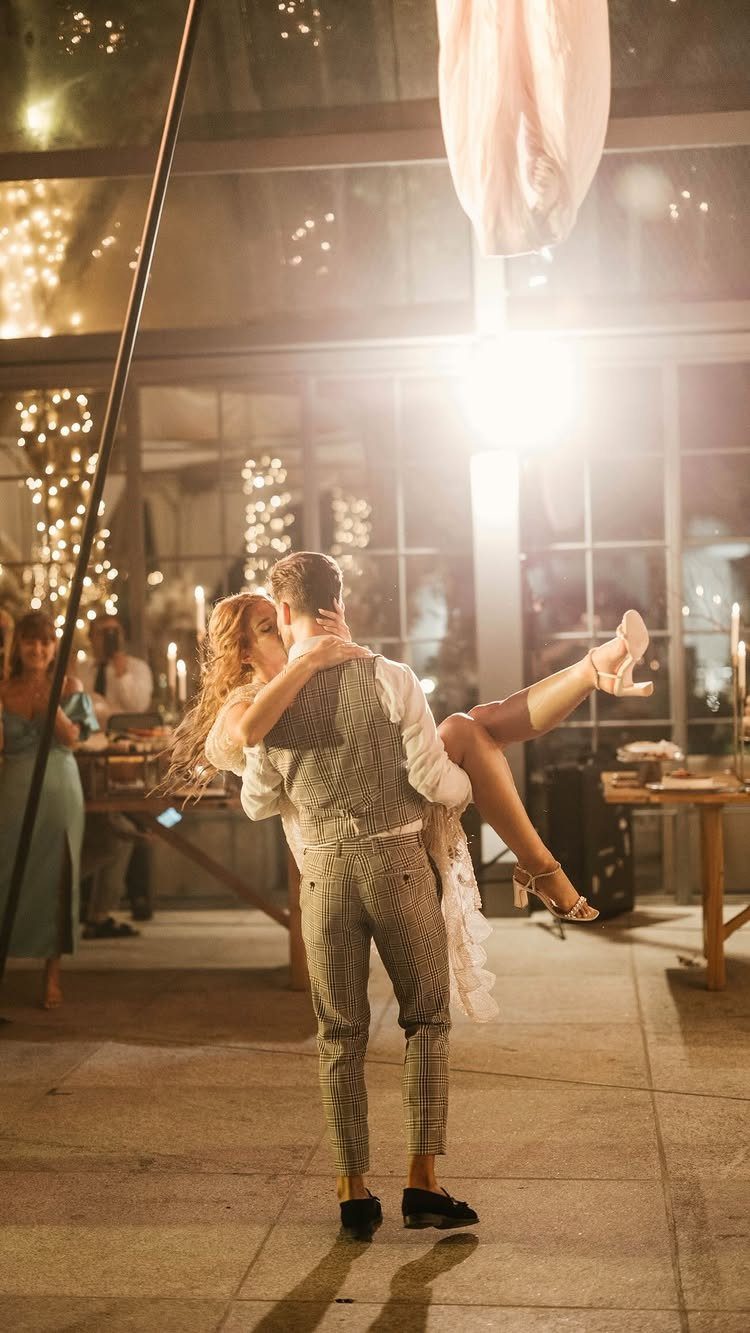
You have 2 good slots for the first dance: right after you enter the reception, or after dinner and/or cake cutting. Going first gets it done while your nerves are fresh, and guests are all watching.
I prefer after dinner, because people are settled and ready to cheer. Either way, tell the DJ or band which slot you chose.
A dip or lift adds drama, so practice it a few times in your wedding shoes.
Importance of a Timeline
Small delays stack up on a wedding day, and a late start at one point can leave the reception 45 minutes behind by the end.
A written timeline shared with every vendor, your wedding party and your families keeps all of them working from the same clock.
Build it backward from the ceremony start, then add the reception events after it. Hand the final version to your photographer, caterer, DJ or band, and whoever is coordinating on the day, so no one relies on memory.
Some venues will help build the schedule and floor plan, so ask about that during the tour, while you still have room to compare other places. Some include it in the package.
Sending Invitations
For the wedding itself, formal invitations go out 6 to 8 weeks ahead. Make it 6 months for destination weddings and for guests coming from abroad, since they need time to book travel.
The engagement party follows its own clock. It usually lands within 1–3 months of the engagement, and parents often host it.
If you plan to give favors or wedding party gifts, order them in the same 4–6 month window. Personalized items take time to make and ship, and online shops are a good place to look.
Managing Guest Expectations
Guests can only follow a plan they have been told about, so spell out how they will get from one place to another.
If the day uses more than one location, or several areas within one venue, tell them where to go and how, whether that is shuttles, parking or a short walk.
Leave buffer time between events, and say so to your vendors too. Unexpected delays will happen, and a cushion gives you a few minutes to breathe instead of rushing.
Vendors also need set-up and breakdown time for decor, equipment and catering stations. Put those windows on the schedule so guests aren’t walking into a room that isn’t ready.
Frequently Asked Questions
What is the normal order of wedding events?
Most couples move through an engagement party, bridal shower, bachelor and bachelorette parties, rehearsal dinner, ceremony and reception, with a post-wedding brunch at the end.
On the reception side, a common run is entrance, toasts, dinner, cake cutting and special dances. Tie it to your photographer’s hours, because dinner often runs past an hour and can push late events out of coverage.
How far in advance should you create a wedding day timeline?
Draft a rough version 6 to 9 months out, then refine it 4 to 6 weeks before the wedding. Anchor everything to the moment the ceremony begins, work backward to hair, makeup and photos, then lay the reception out from there.
Get the finished schedule to each vendor 2 weeks or more before the wedding, so the florist, DJ and photographer are all reading the same clock.
How much buffer time should a wedding day timeline include?
Leave 10–15 minutes of slack between big moments, because one late item will otherwise drag four more behind it. Tell your vendors about the cushion too, and add their set-up and breakdown windows.
When should you hold a rehearsal dinner?
The night before the wedding is the standard slot. Book the restaurant or space early, and keep the guest list to the wedding party and family.





