The ideas here range from a seating chart on a printed board to a sparkler exit that needs open-flame approval from your venue, and they cover everything from a first dance to a full dinner under string lights.
Your venue and your vendors decide which ones fit: a rule against open flame rules out the sparklers grand exit, and the length of your dinner service sets how much room the toasts and speeches get.
Whatever you pick, the timeline goes to every vendor 2–3 weeks ahead.
1. Cocktail Hour
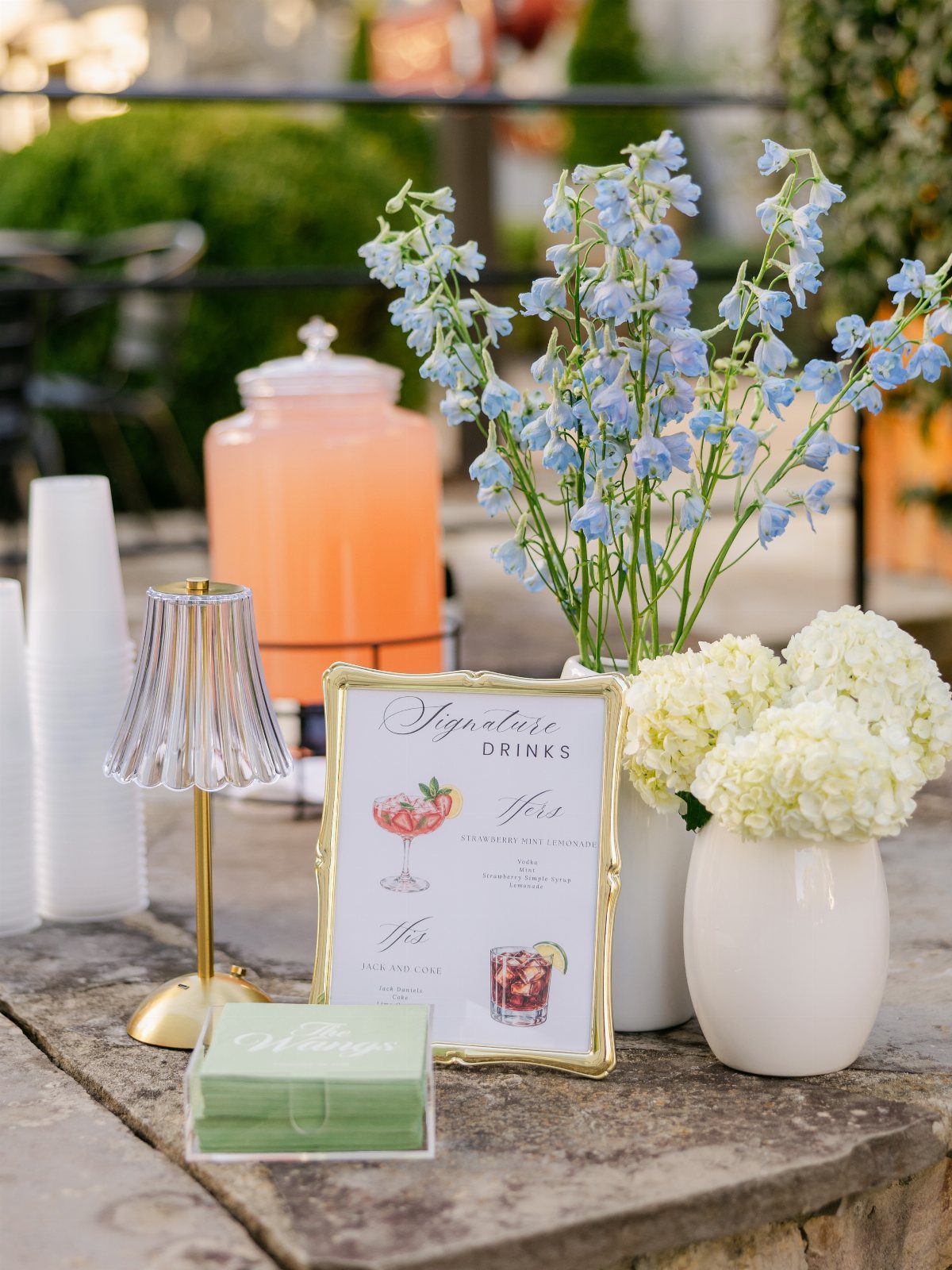
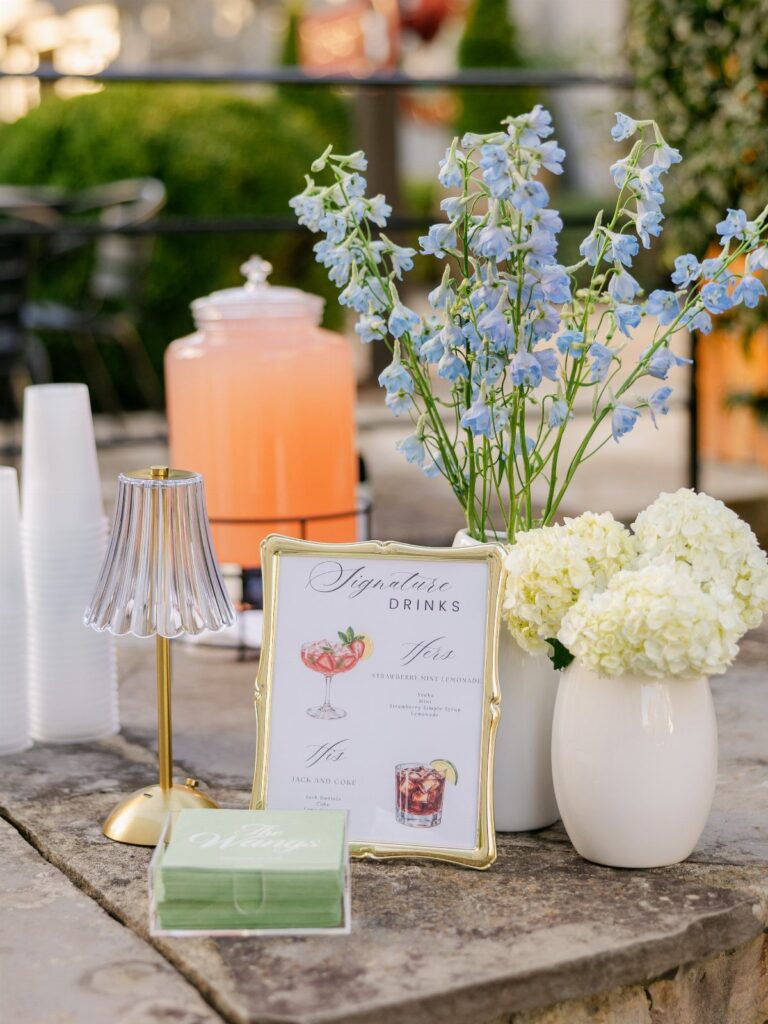
A signature drink does more for a cocktail hour than a full bar, and a self-serve dispenser is the cheapest way to do it.
One named drink on a printed menu, poured from a large dispenser, keeps guests moving instead of queuing for a bartender.
Put the station near the ceremony exit so people find it without being told. Matching napkins and a few flowers on the table make it look planned, not improvised.
2. Dinner Service
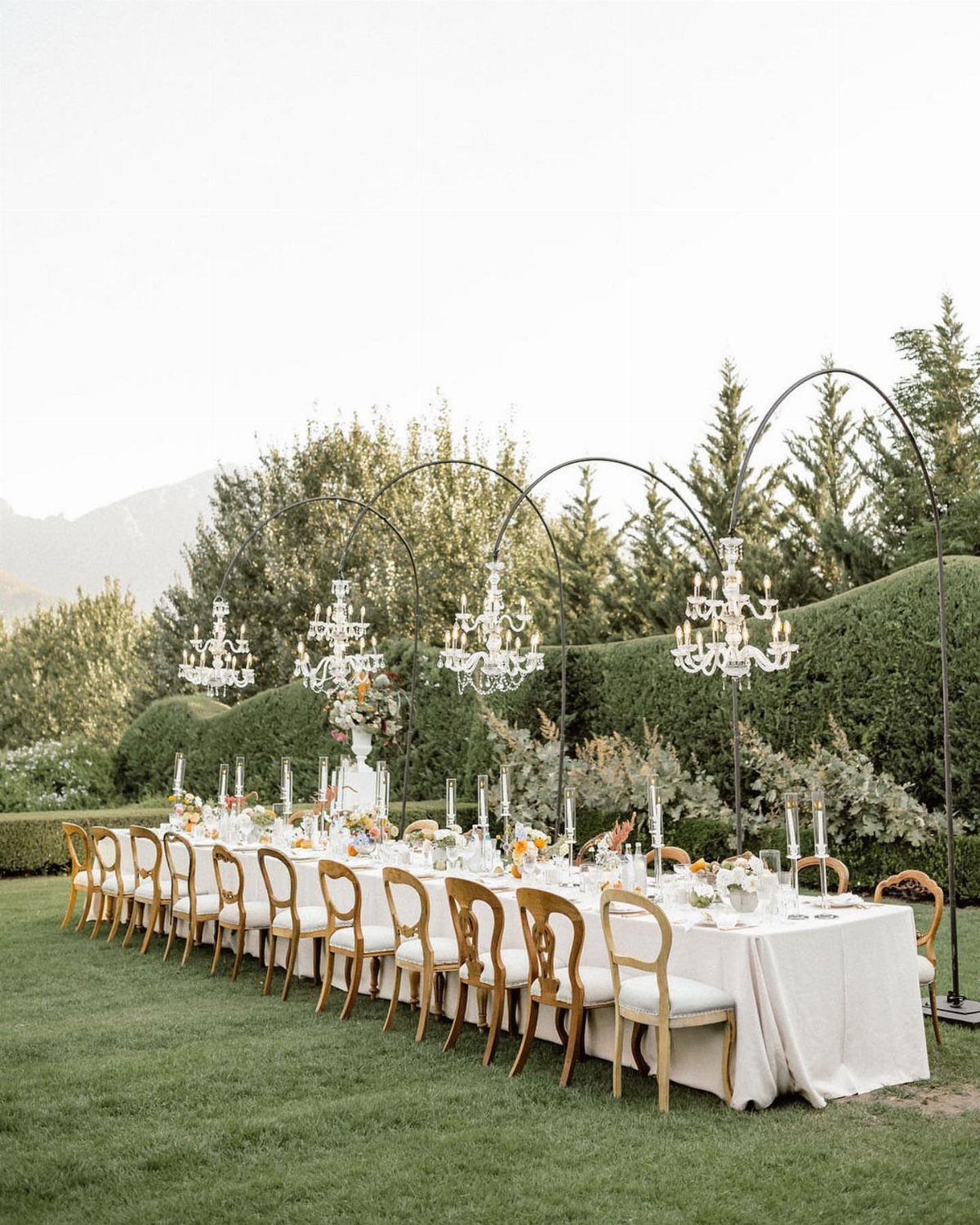
Long tables suit a dinner where you want everyone facing each other, and one single table makes the whole meal feel like a shared supper.
Outdoors on a lawn, a string of lights hung over the dining tables gives guests a sense of a ceiling and keeps the space from feeling like an open field.
I would choose one long table over rounds if the guest count allows it. With the lighting handling the atmosphere, chairs, linens and centerpieces carry the rest of the look, so that is where I would spend first.
3. Toasts and Speeches
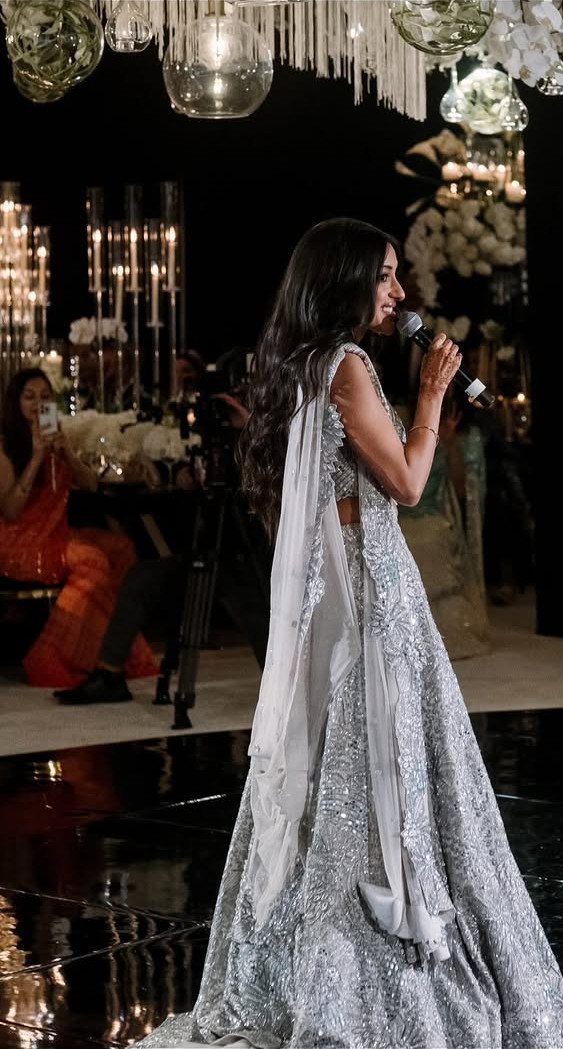
Toasts go best when the people giving them know they are limited. Ask each speaker to keep it short and to write it down, because a microphone makes everyone more nervous than they expected.
Choose your speakers early and tell them where they fall in the schedule. Schedule speeches during dinner, because everyone is already in a seat and not yet distracted by the dance floor.
4. Welcome Toast
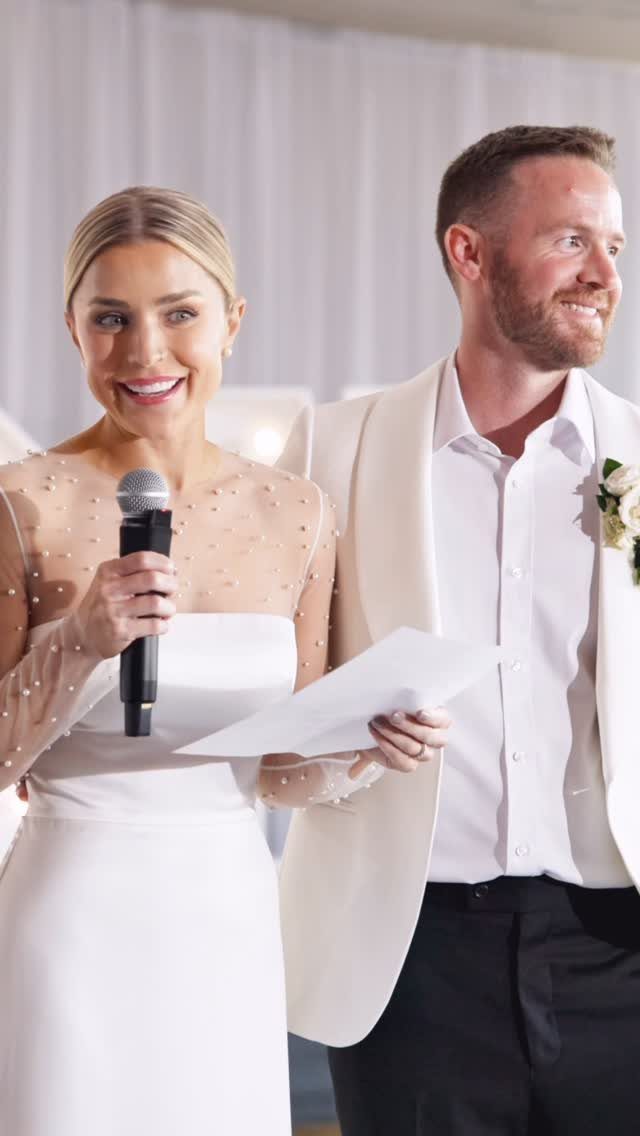
A bride holding notes at the microphone is a smart move: a welcome toast is only a few lines, and cards keep it that short.
Thank guests for coming, name the people who helped, and invite everyone to raise a glass.
Doing it as a couple, side by side, splits the nerves in half. Place it right as guests sit down, before the food arrives.
5. Open Dancing
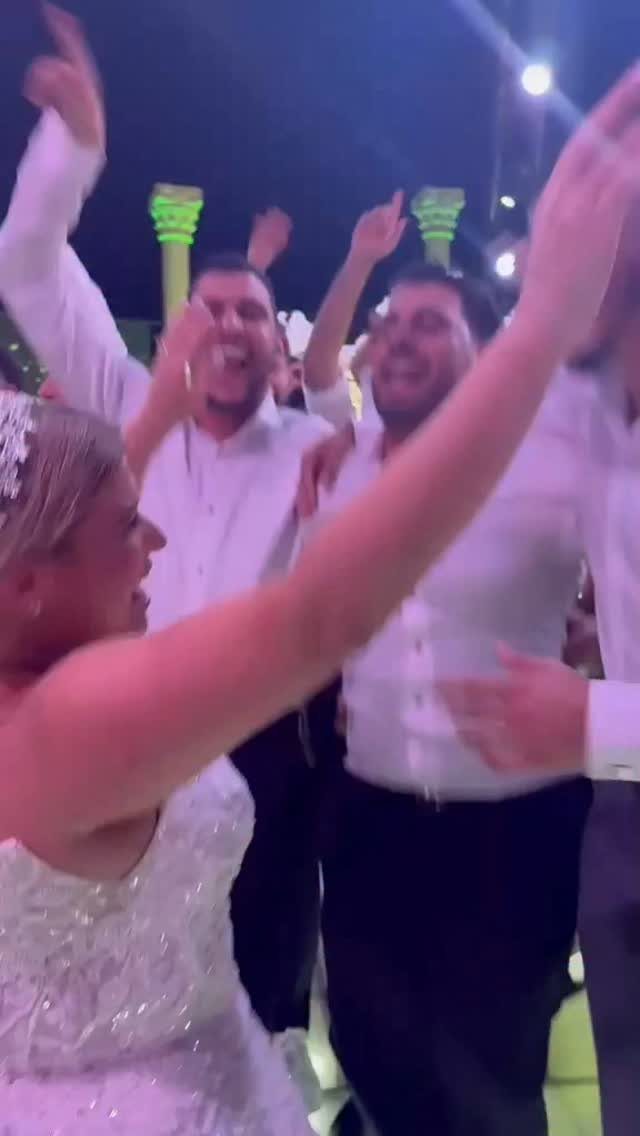
Open dancing works best when the room has already warmed up, so schedule it after dinner and the toasts are done. Start with songs everyone knows, then let the playlist or DJ build from there.
Evening is the right time for it, and lighting matters more than anything else you can add. Keep it dim enough to feel like a party and the floor fills quickly.
6. Grand Entrance
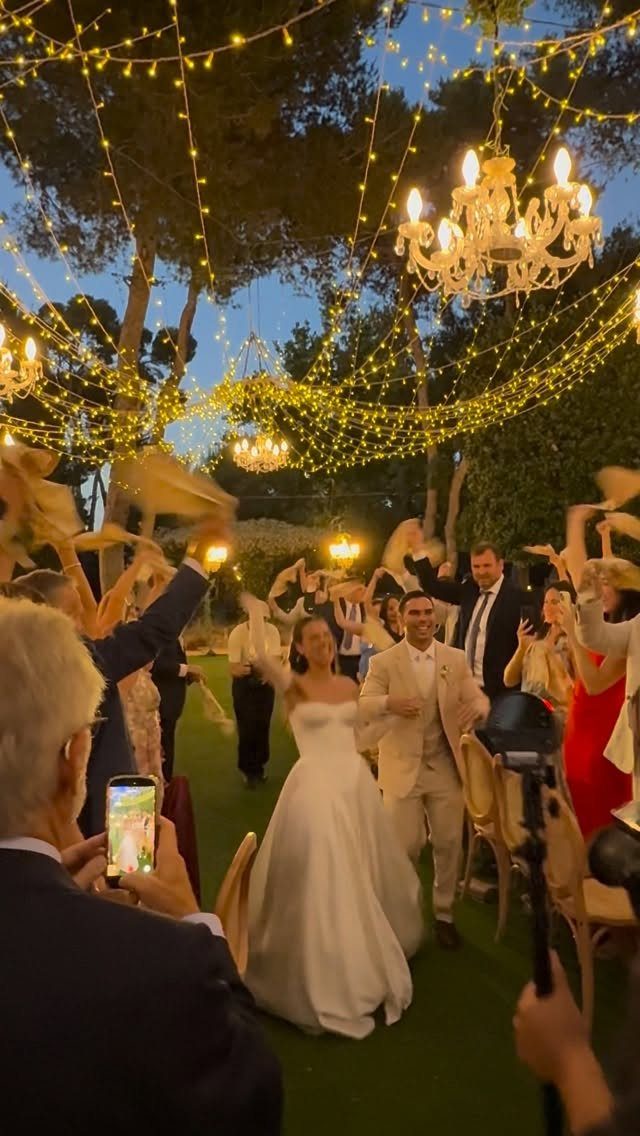
Guests lining the path turn a walk into an entrance. Ask them to gather and cheer before you appear, and have your DJ or emcee announce you by name so the moment has a clear start.
Dusk with string lights overhead is the setting I would pick. Walk slowly enough to greet people on the way, since the entrance takes only a minute or two.
7. Sparklers Grand Exit
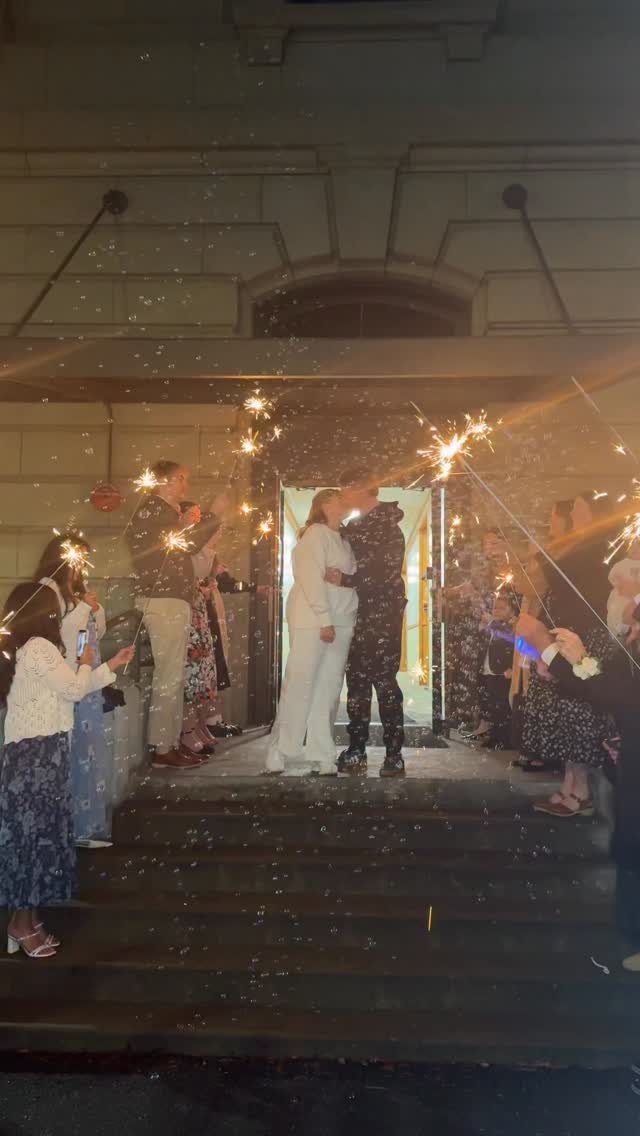
Sparklers turn the last few minutes of a reception into the photo everyone keeps. Guests line up in 2 rows with unlit sparklers, you light them in sequence, and the couple walks through the glow.
Hand them out before the exit, and have your DJ or a friend announce the line-up so no one is fumbling with a lighter while you wait.
Choose longer sparklers if your budget allows, since short ones burn out before the couple reaches the end.
Check your venue’s rules on open flame first.
8. First Dance
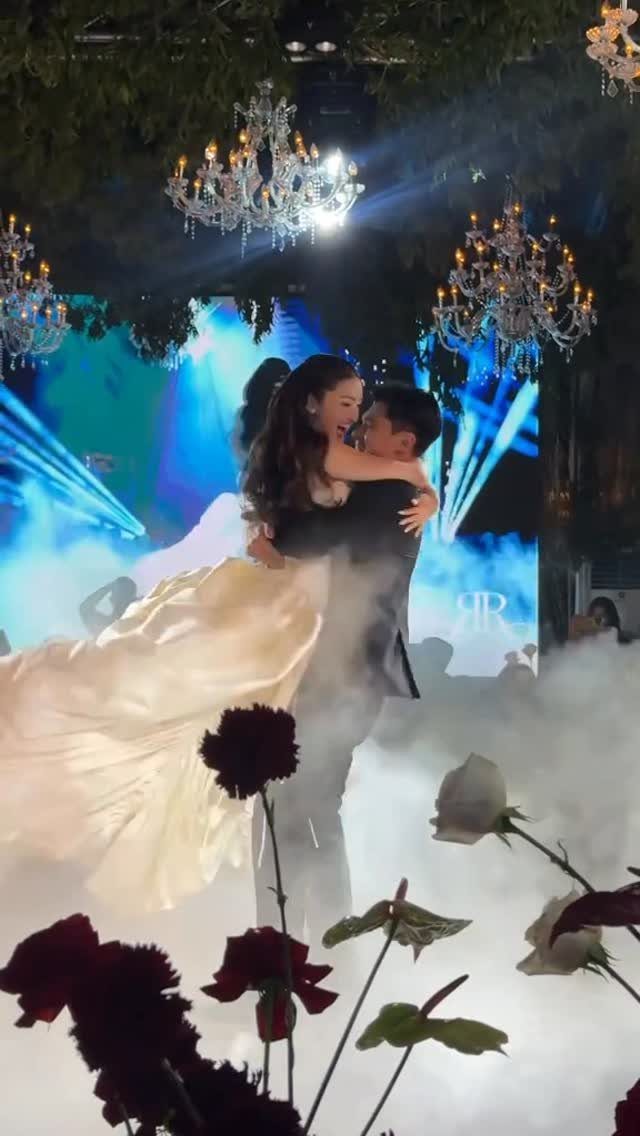
A first dance is the one moment of the reception with no guests in it, and a lift like this one gives photographers a clear shape to catch.
Pick a song you can actually move to, and trim it to about 2 minutes if you dislike being watched.
I would book one or two practice sessions with an instructor, or just run it at home in your wedding shoes. Slip it in right after the entrance, while the room is still giving you its full attention.
9. Bouquet and Garter Toss
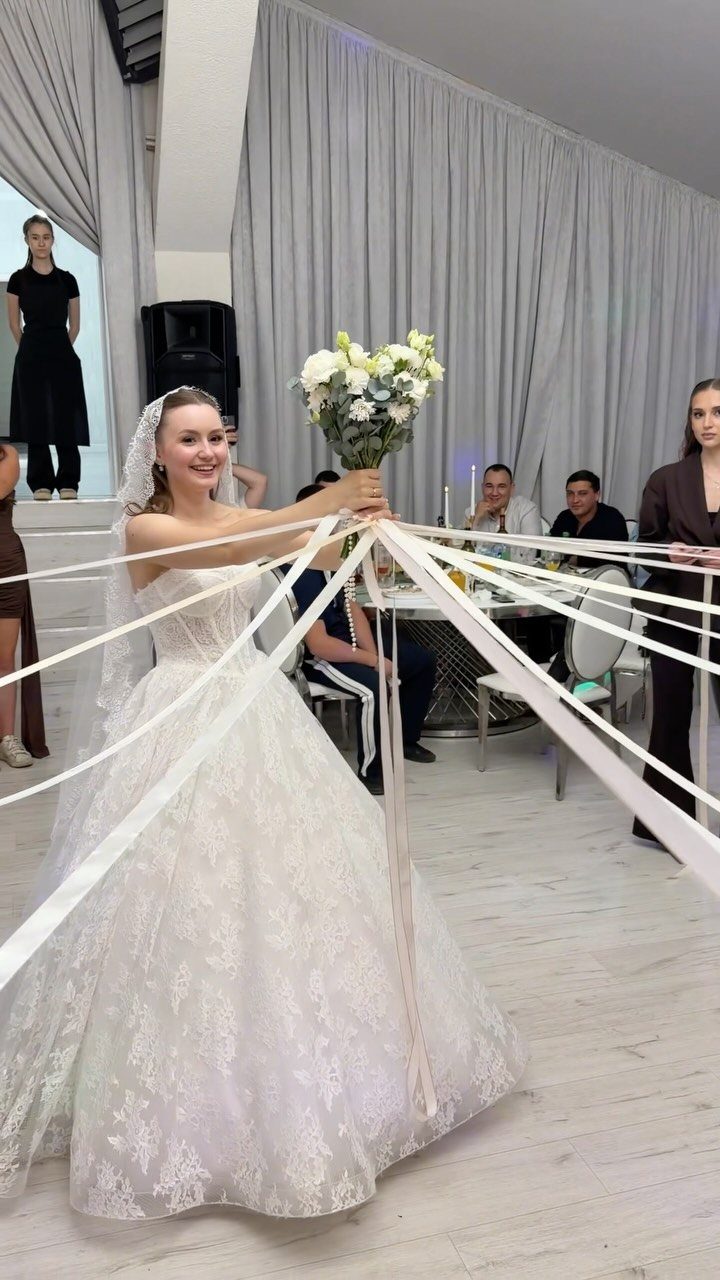
A ribbon bouquet toss is my pick over the classic throw. Each single guest holds a ribbon tied to the bouquet, and the bride pulls one free, so nobody gets elbowed and nothing lands in a chandelier.
Keep it short and make it optional, because some guests would rather skip being called single.
Have the DJ announce it once, gather volunteers near the dance floor, and let it run no more than a few minutes before dancing resumes.
10. Seating Chart
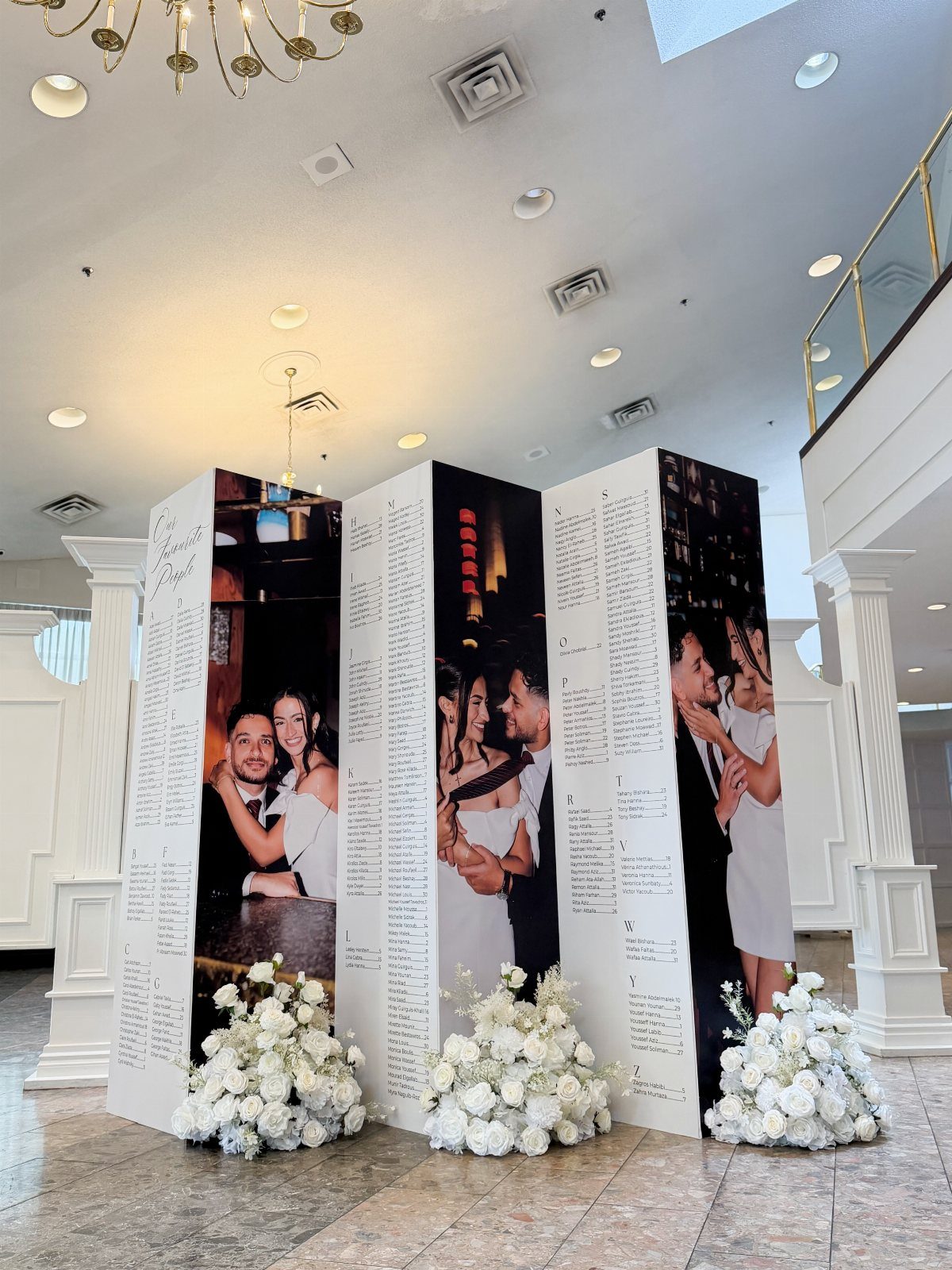
A seating chart works best when it is big enough to read from a few steps away and placed where guests arrive. Alphabetical order by guest name, with the table number beside each, finds names faster than listing tables.
Set it up before the cocktail hour ends so guests can find their seats, then seat people for dinner right after.
I like pairing it with couple photos, which gives the entrance a focal point. Print a backup copy and give it to your coordinator.
11. Couple and Family Portraits
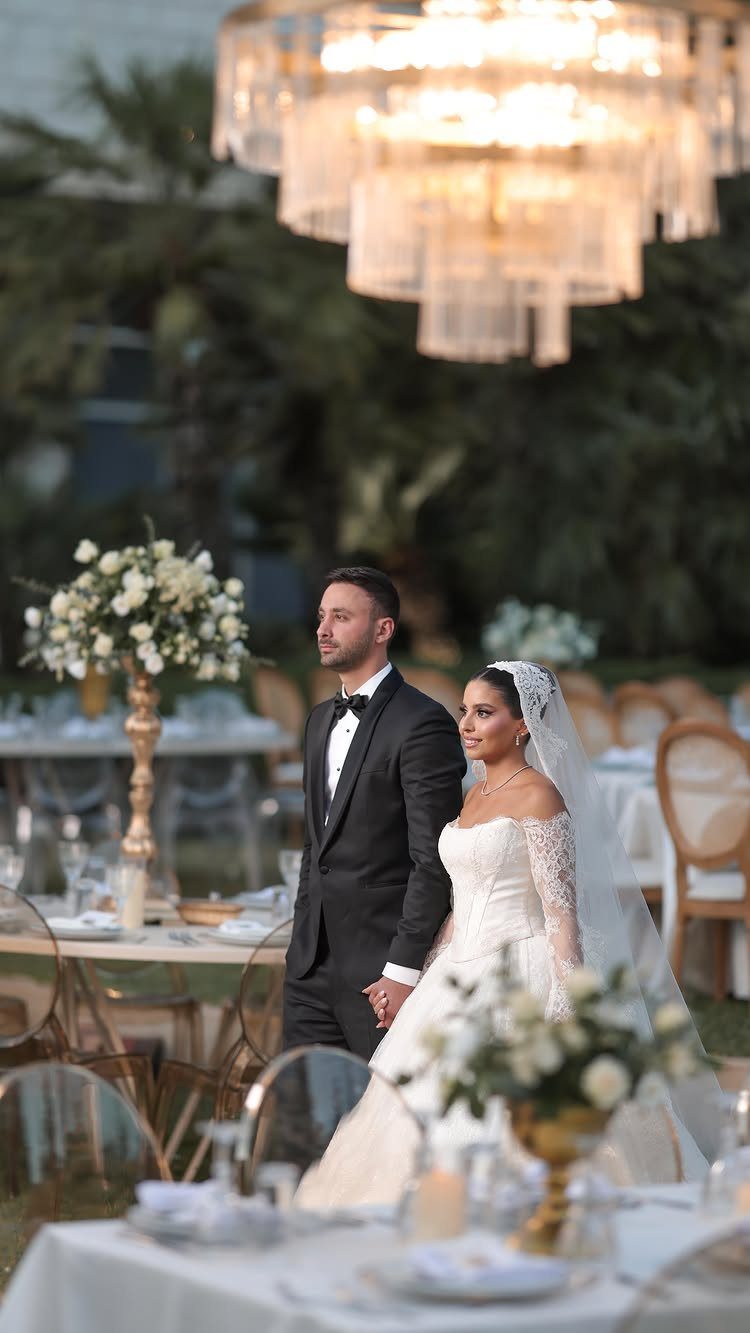
Portraits are easiest to fit in when you plan them before the reception starts, not squeezed between courses.
Write a short list of family groupings and give it to your photographer, then ask a relative to gather each group by name.
I would take couple portraits at the venue itself, with the chandelier and flowers behind you, so you do not travel anywhere. Block the portraits for before the reception begins, so cocktail hour stays a party you actually attend.
Importance of a Timeline
A reception timeline only works if every vendor is reading the same page.
Skip the schedule and things collide: the photographer shows up mid-curling-iron, the DJ is still hauling speakers in during dinner, and the kitchen starts plating before anyone has found a seat.
Send the final version to your photographer, videographer, caterer, DJ or band, and whoever is calling the shots on the day, whether that’s an MC or a coordinator.
Send the final version out 2–3 weeks ahead rather than the week of; that gives vendors and family time to ask questions and catch conflicts.
Give each vendor the times that affect them. Photographers need exact times for the first dance, cake cutting and exit.
Dinner service gets timed around when your toasts happen, so the kitchen needs to know that order. A DJ needs a cue for every transition.
Adjusting for Different Styles
Start with the style, then bend the schedule to fit it.
A formal evening with a long seated dinner and a casual afternoon party will not share a clock, and copying a template that doesn’t match yours leaves dead time or a rushed finish.
Region matters too. If you’re marrying far from home, ask local vendors how weddings there usually run before you lock anything in.
Timing Considerations
Set the ceremony time first, then build forward (dinner, reception, cleanup) and backward (getting ready, photos, setup).
Summer couples often start at 5pm, since the sun doesn’t set until after 7pm and the light stays good for portraits. Winter and weekday weddings usually begin earlier, and a New Year’s Eve wedding runs later than either.
Put the real start time on the invitation, then plan to begin 5–10 minutes after it. Listing 4:30pm for a 5pm ceremony leaves early guests waiting unhappily in a room that may not be set.
Add 15-minute buffers between major transitions, because everything runs long.
Pick one person to keep the timeline moving, whether that’s a coordinator, a planner or a friend who doesn’t mind being bossy.
Frequently Asked Questions
What is the usual order of a wedding reception?
Most receptions run cocktail hour, grand entrance, first dance, dinner with toasts, then open dancing, and sometimes a sparkler exit at the end.
Guests mingle first while the couple does portraits, and dancing comes after dinner and speeches because the room has warmed up by then. Plan backward from the ceremony time so every piece has a slot.
How long is the dancing portion of a wedding reception?
Plan on about 3 hours of dancing and special events.
That fits a typical 4–5 hour reception, which follows a 1-hour cocktail hour and about 1.5 hours of dinner. Plan on about 3 hours of dancing and special events, and I’d rather end on a high point than stretch the night past that.
How long should a wedding reception be?
Most receptions run 4–5 hours, not counting cocktail hour.
With cocktail hour added, the total is 5–6 hours. Shorter feels rushed, and longer usually means guests start leaving before the night ends.
How do I create a wedding timeline?
Pin down the ceremony start first, because every other time hangs from it: dinner, toasts, dancing and cleanup run forward from that moment, while hair, photos and setup count back.
Before the schedule is final, ask each vendor how early they arrive and how long they work, then send the finished timeline to every one of them 2–3 weeks ahead so everyone reads the same page.





