The 7 tasks here run from sending save-the-dates to settling a budget that shapes every other choice, and the order you tackle them in depends on what has to be locked before something else can start.
Budget and a rough headcount come first because they drive invitations, rentals, favors and the seating chart, while save-the-dates need a firm date before they can go out.
1. Wedding Invitations
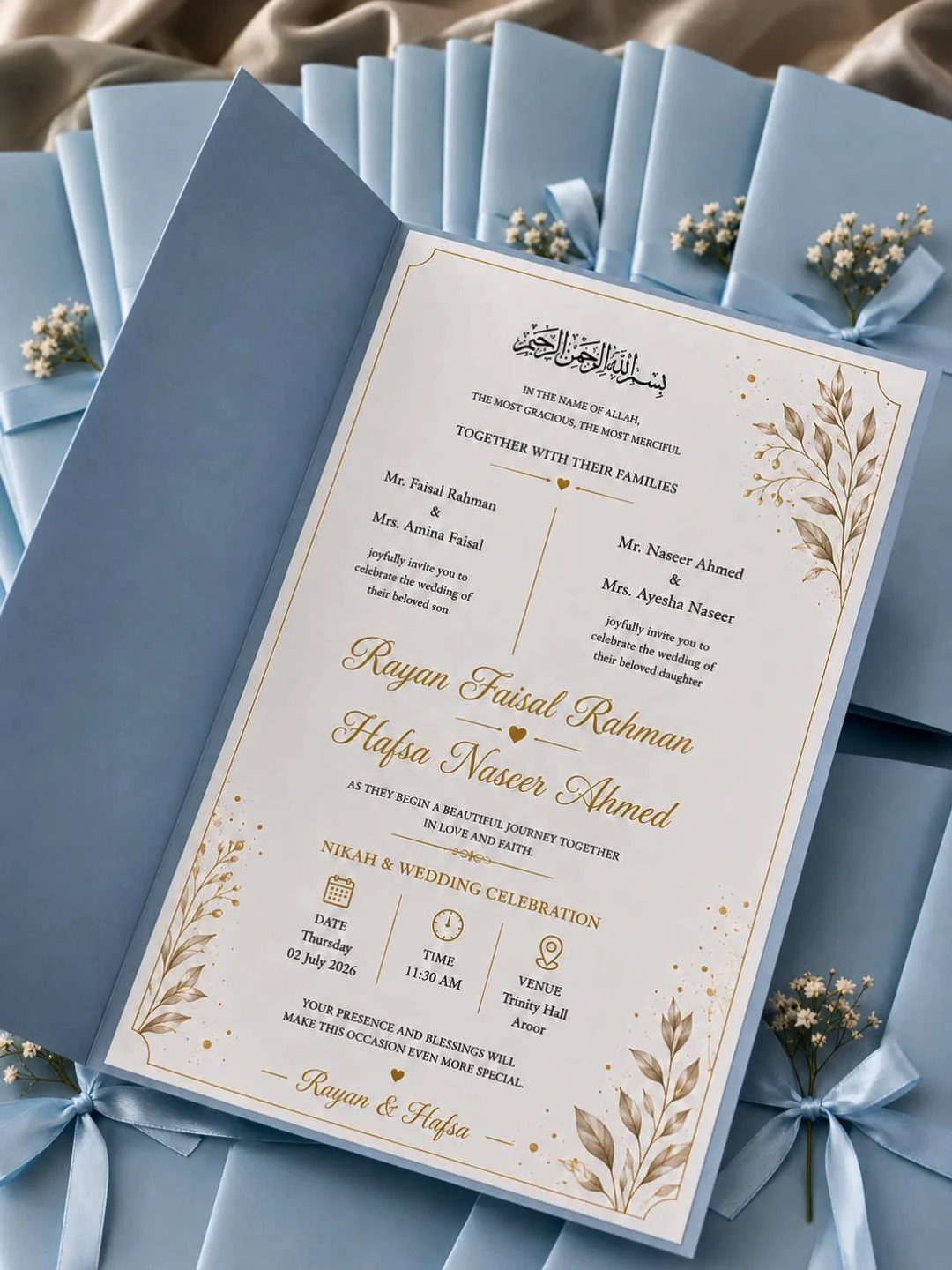
Invitations set the tone before anyone arrives, so order them early enough to leave room for proofs and a second round of edits.
Invitations work backward from the mailing date, so the design has to be settled well before that, and your printer’s turnaround decides how early.
Calligraphy and gold borders like these take longer to design and print than a simple template, so budget extra time. Check every name and spelling with both families before anything goes to print.
2. Send Save-the-Dates

Save-the-dates go out first, and they only need the names, the date and a promise that a formal invitation follows. A calendar layout with the day circled does that job in one glance.
Hold off on sending until the date is locked and a venue is booked.
Leave the address off if the location is not final. Destination weddings and holiday weekends deserve a few extra months of notice.
Save the dates are commonly sent about 6 to 12 months before the wedding.
3. Marriage License
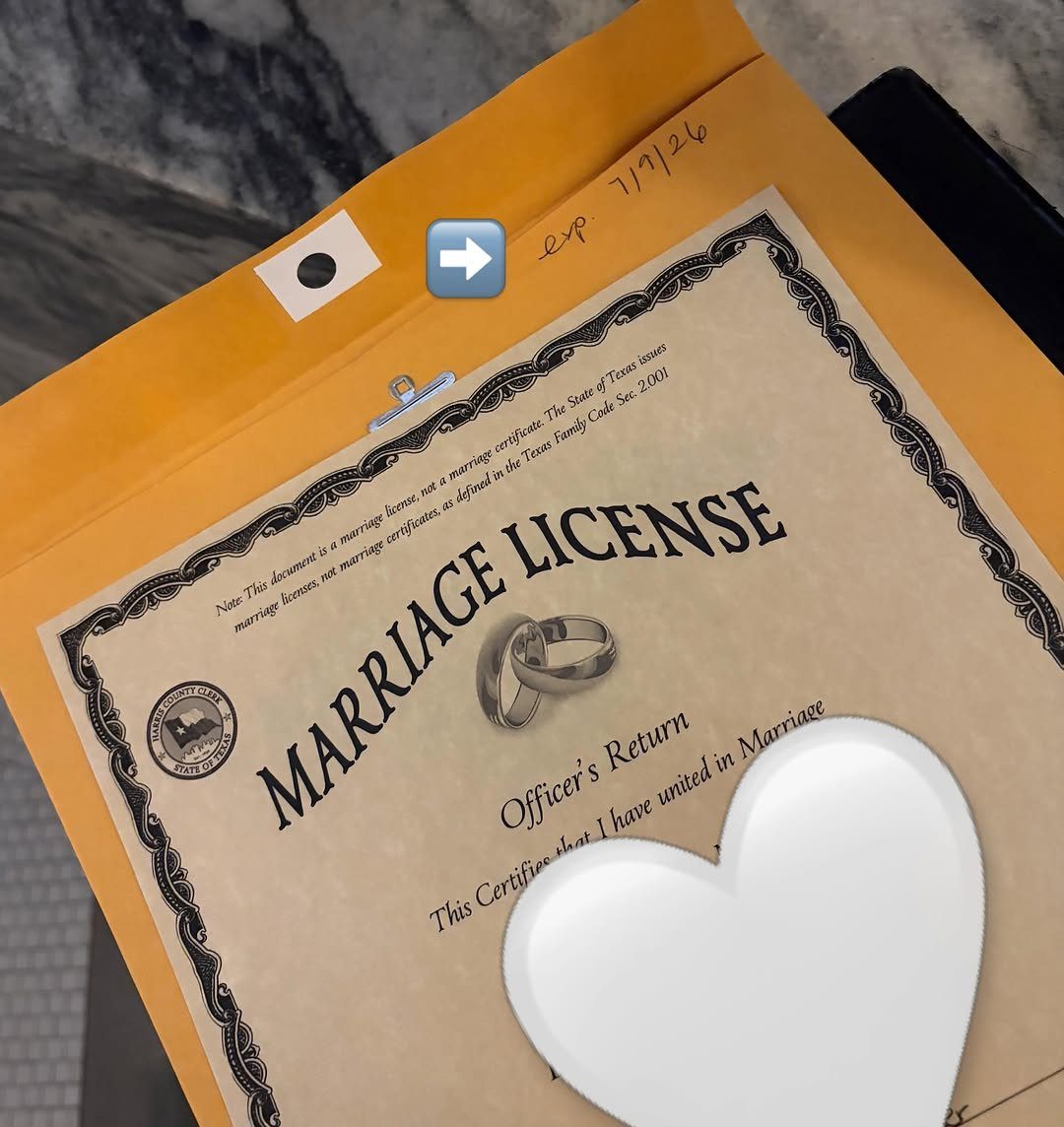
Marriage licenses expire, and that handwritten date on the folder is the detail to copy. Every state sets its own window for how long a license stays valid, so check your county clerk’s rules before you pick a pickup day.
Plan to apply in the final few weeks, and bring photo ID.
Some states add a waiting period or want both of you present. Afterward, make sure the officiant signs and the signed license gets filed.
4. Finalize Decor and Rentals
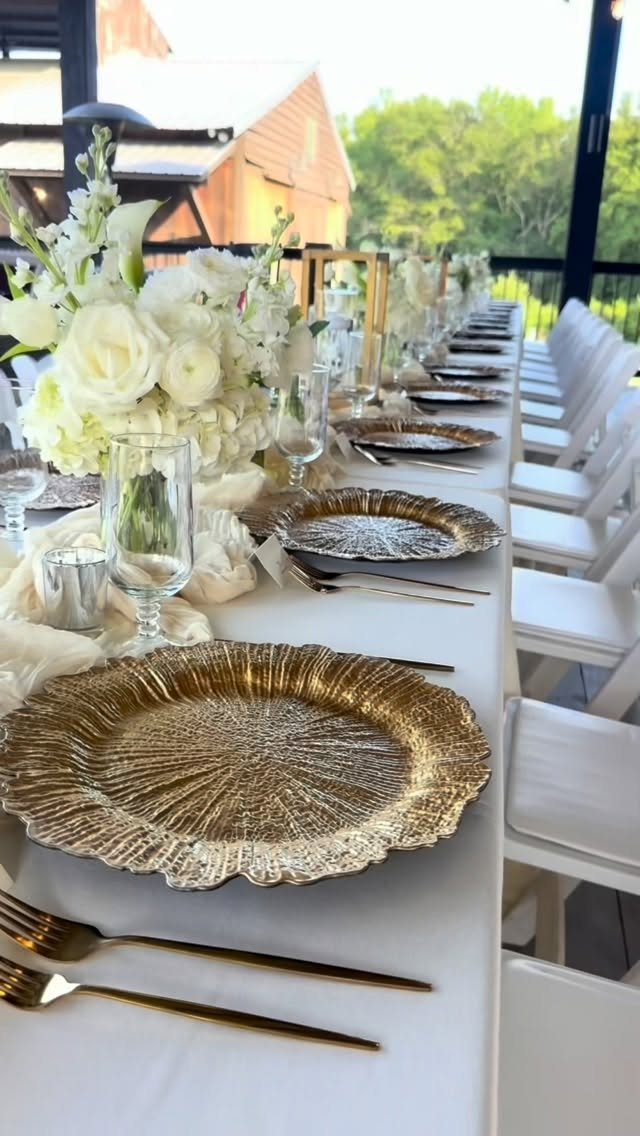
Rental orders are where a long table like this gets decided: chargers, glassware, linens and flowers all need counts, and counts depend on a final guest list.
I would lock decor choices well before the final month and confirm rental quantities after RSVPs close.
Ask for delivery and pickup times in writing. Also ask who sets up and who clears, since a missing step there can cost more than the plates.
5. Rehearsal Dinner
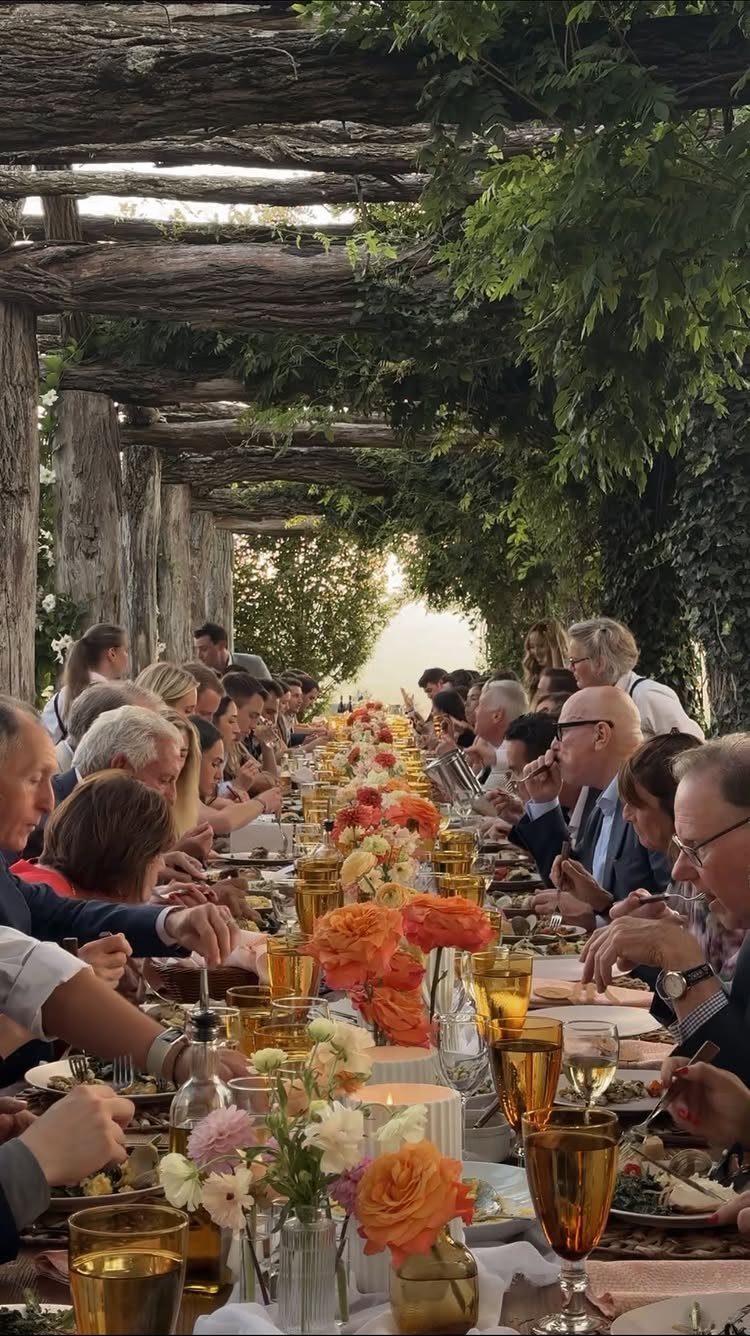
A rehearsal dinner belongs on the calendar the day you book the wedding venue, because the night before is the one slot everyone competes for.
Reserve a restaurant or private room early, especially for a group near 20, since those spaces fill first.
Send invitations with enough lead time for out-of-town guests to book travel, and finalize the menu a couple of weeks before.
Outdoor tables look great, but keep a weather backup ready, whether that is a tent, an indoor room or a rain date.
6. Wedding Favors
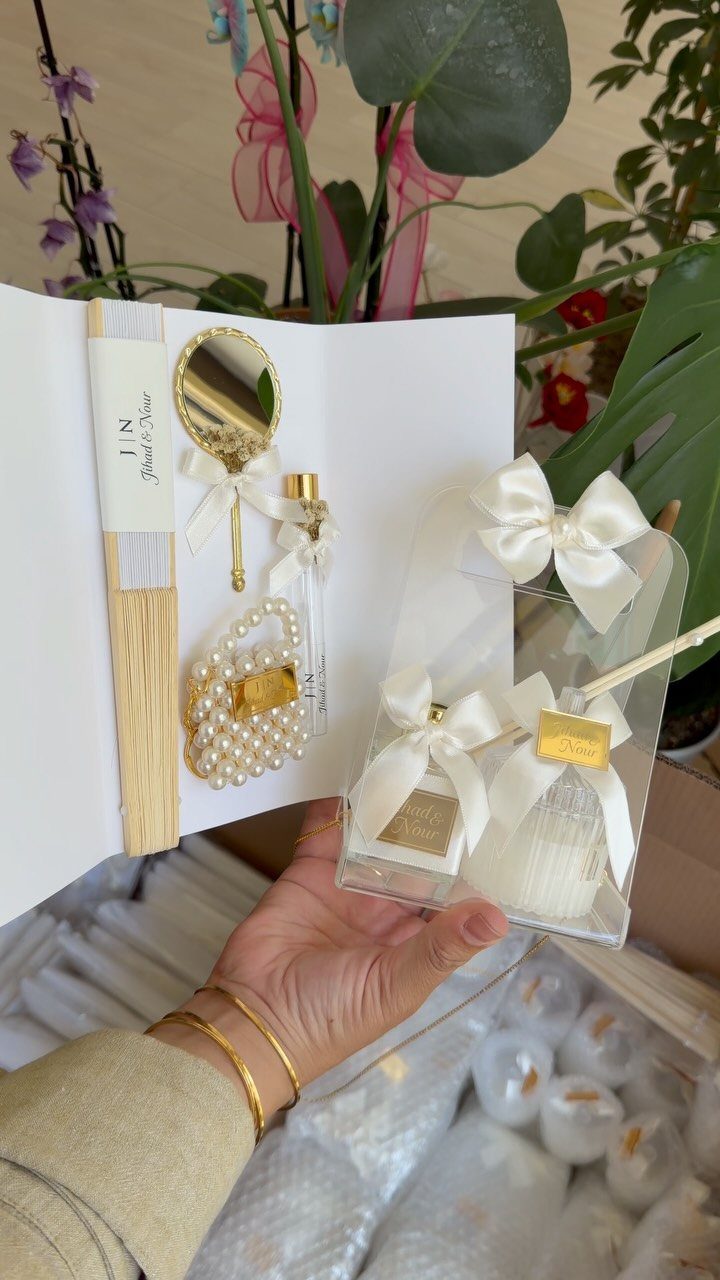
Favors are the easiest item to push to the end, which is why I would settle them early. Ordering personalized sets, like ones labeled with the couple’s names, needs lead time for printing and packing.
Choose the design early enough to leave room for ordering, production and shipping.
Count your favors against your confirmed guests, not your invite list, and consider one per couple or household to hold costs down. A scented candle plus a small keepsake is an easy pairing.
7. Seating Chart
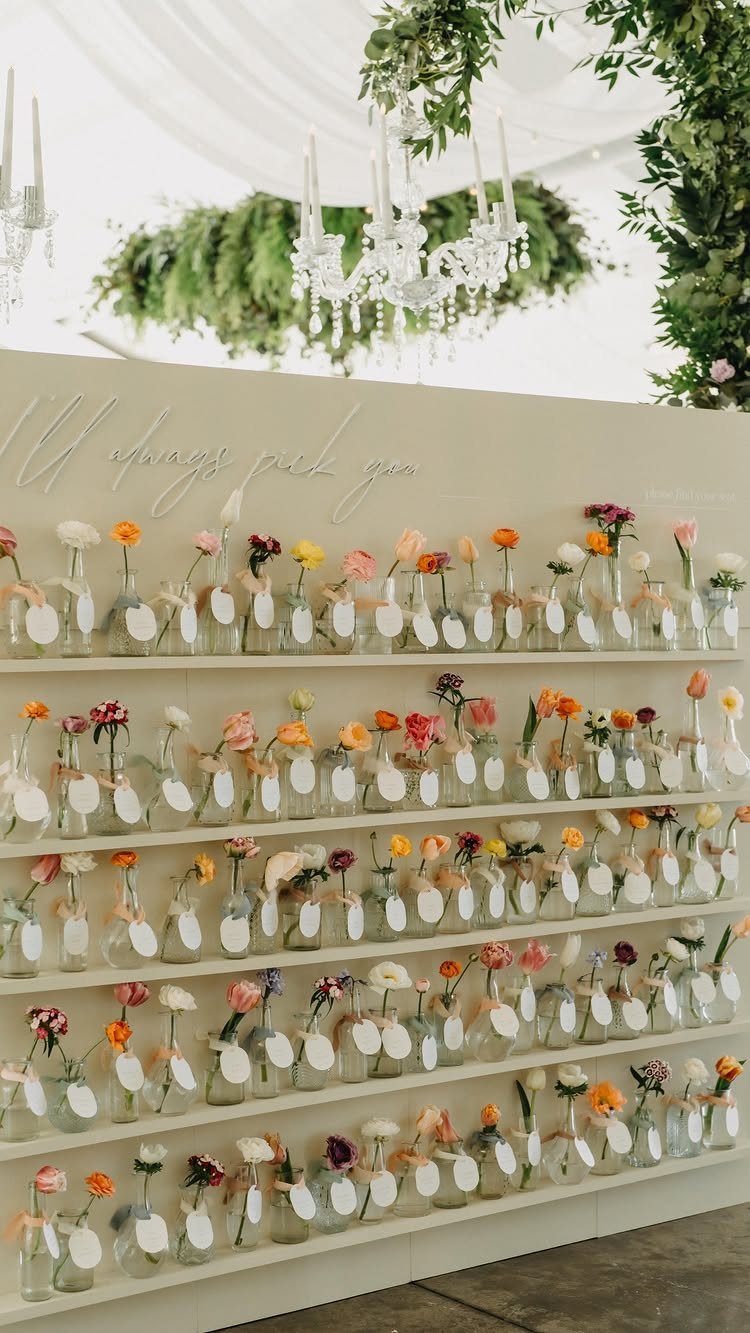
A seating chart built from small glass bottles of flowers, each with a name tag, lets guests find their place and take a bit of the decor in one move.
Shelves hold the tags in order, so the display doubles as the chart.
Set the seating after RSVPs close, since the bottle and tag count has to match your confirmed guests. I would write the tags last, once the table assignments stop changing.
Group the tags by table so guests can scan quickly, and use legible lettering.
Place the display near the entrance, away from the bar line.
Advice on Budgeting
Money talk comes first: get your partner and every family member chipping in around a table, and agree on what each person is willing to put toward the day before a single quote lands in your inbox.
Then sort every item into must-haves and nice-to-haves. Venue, food and photography usually land in the first pile; a photo booth or fireworks lands in the second.
For a starting split, venue and catering take 40–50% of the total, and photography and video take 10–12%.
Another common breakdown gives 10% each to attire, entertainment and decor, plus 5% held back for surprises. I would treat the emergency slice as untouchable until the week of the wedding.
Lock the venue and bar first, since they eat the most money.
Then adjust attire, favors and extras until the total fits your funds. Ask the venue for two price proposals, one with only must-haves and one with wants added, so you can compare out-the-door costs.
Importance of a Wedding Planner
What a planner really sells is coordination, since someone else keeps the vendors, the schedule and the small details on track so none of them get dropped.
If juggling a dozen contacts sounds like a second job, I would hire one.
Interview more than one. Press any planner you’re considering on their track record, request samples of past events, and find out if they’ve worked your venue or pulled off a look like yours.
Full-service help from the start is not the only option.
Plenty of couples prefer to run the planning themselves and hire a coordinator only for the final weeks before the wedding. Some venues require a professional for day-of coordination anyway, so ask before you budget.
Either way, someone else owns the timeline and the vendor calls on the day, which leaves you free to be present.
Managing Guest RSVPs
Start the guest list before you search for a venue, because the headcount shapes every other decision.
List immediate family and close friends first, then widen to extended family, colleagues and acquaintances. A Google Sheet works fine.
Once RSVPs arrive, add columns beyond the yes or no: meal choice, dietary needs and special accommodations. Add one more for anyone who needs help getting there, such as an airport pickup or a ride to the rehearsal dinner.
Around 6 weeks out, review that travel column. If guests are booking through a room block, call the hotel to confirm they have the details they need.
Frequently Asked Questions
How to coordinate a wedding?
Build one timeline and keep every vendor working from it, with someone owning the calls on the day.
Check in with each vendor as the day gets closer, confirming arrival times, setup needs and the backup plan, so nothing surprises you on the day.
Is $10,000 a reasonable wedding budget?
It can be, depending on your location and guest count. Many weddings average $35,000–$39,000, so a budget that sits well below that will mean a shorter guest list or fewer extras.
What is the 50/20/30 rule for weddings?
I can’t point to a rule by that name that I’d vouch for, so I’d use a split with clear figures instead.
What is the typical timeline for a wedding ceremony?
A civil ceremony runs 20–30 minutes, and a religious one runs 45 minutes to an hour. Leave room before the ceremony for guests to find their seats, roughly 20–30 minutes, and a few minutes after it for the recessional, about 5–10.
A full wedding day of ceremony, cocktail hour and reception usually lasts about 5–6 hours, and anything longer can start to drag.





