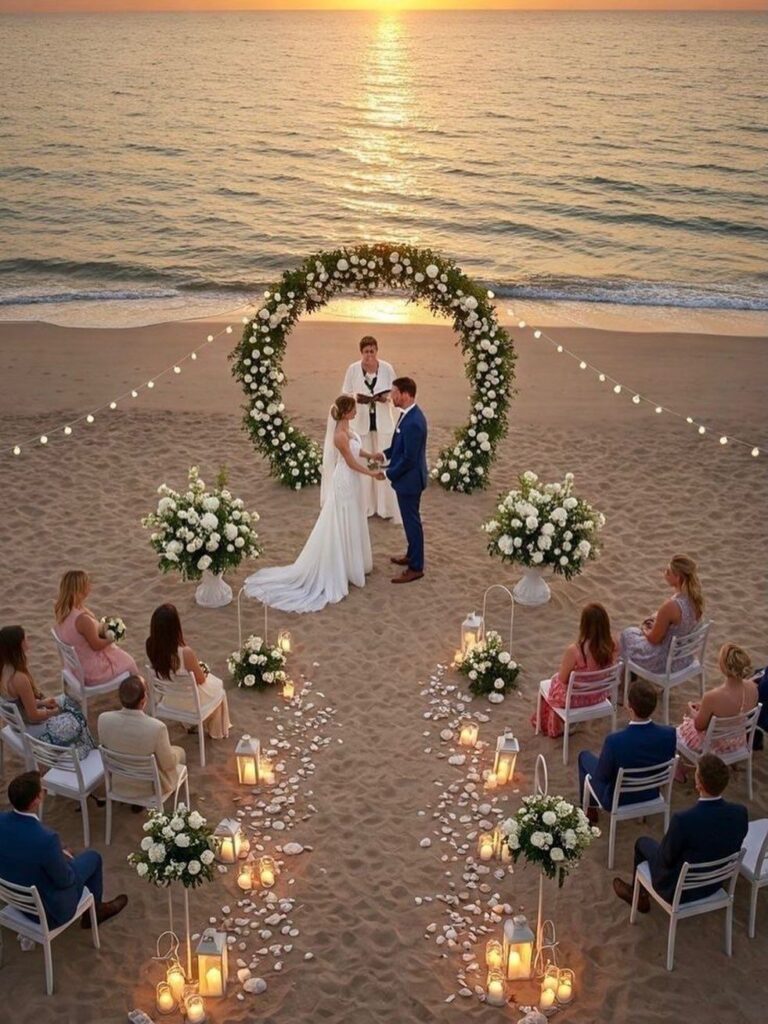
The 10 ideas run from a lawn beside the water to tables set straight on white sand, and from a small beach house to a luxury package that bundles setup, staffing and coordination.
Your guest list decides which of these fits: older relatives and heels point to a terrace or a beach-proximate lawn, while a short list of people who will happily go barefoot makes sand dining workable.
Permits for larger beach groups can change your date or headcount, so confirm the local rules before you fall for any of them.
1. Beach-Proximate Venues
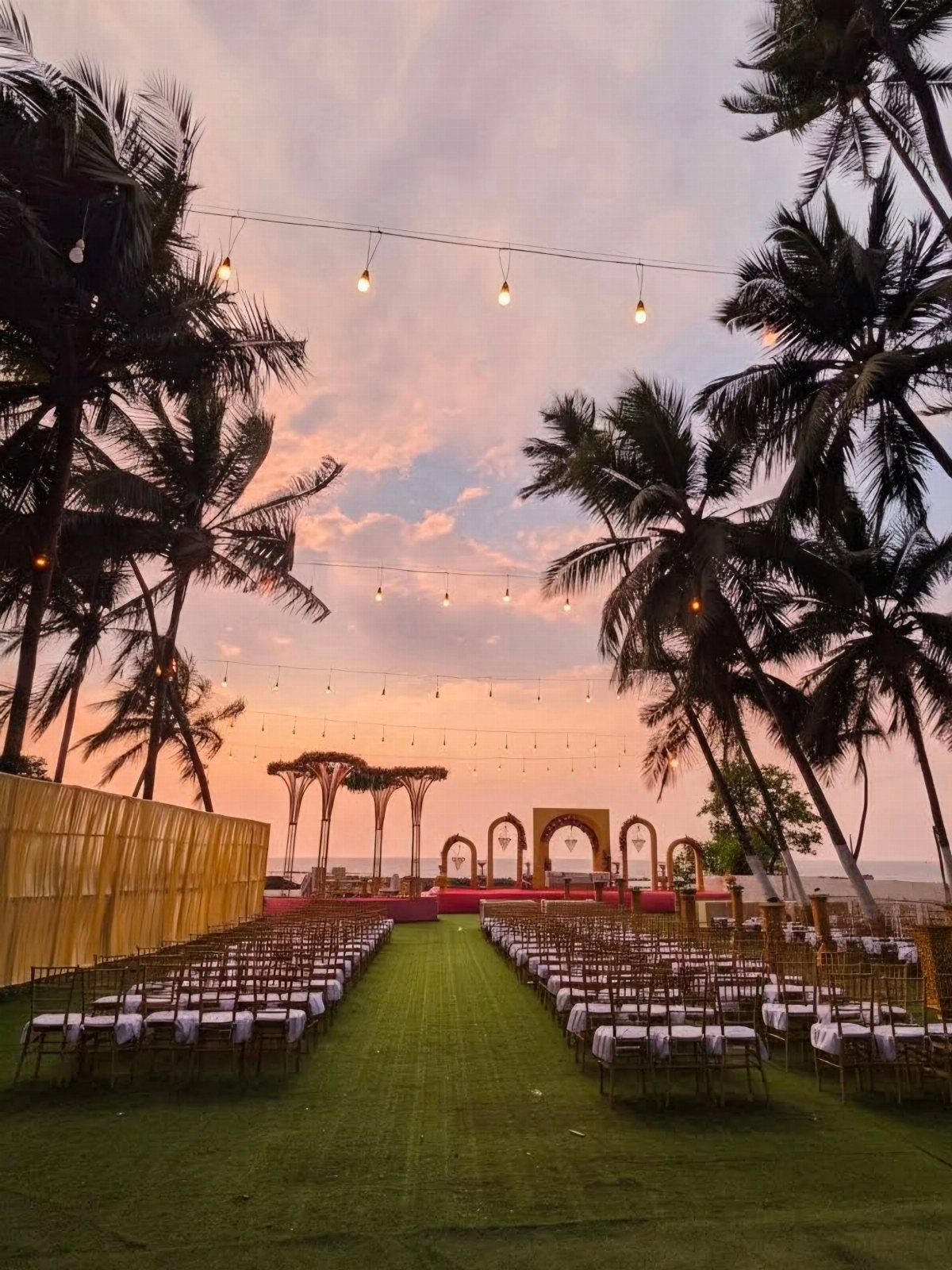
A lawn beside the beach gives you the ocean backdrop without asking guests to sit in sand. Chairs stay level on turf, and heels, strollers and walkers all behave.
I would pick this over a true sand ceremony for any guest list with older relatives. Palm trees and a sunset sky do the scenery work, so spend the budget on the arch and lighting instead.
Ask the venue where the ceremony lawn sits relative to the water, since that decides what your photos show.
2. Historic Venues
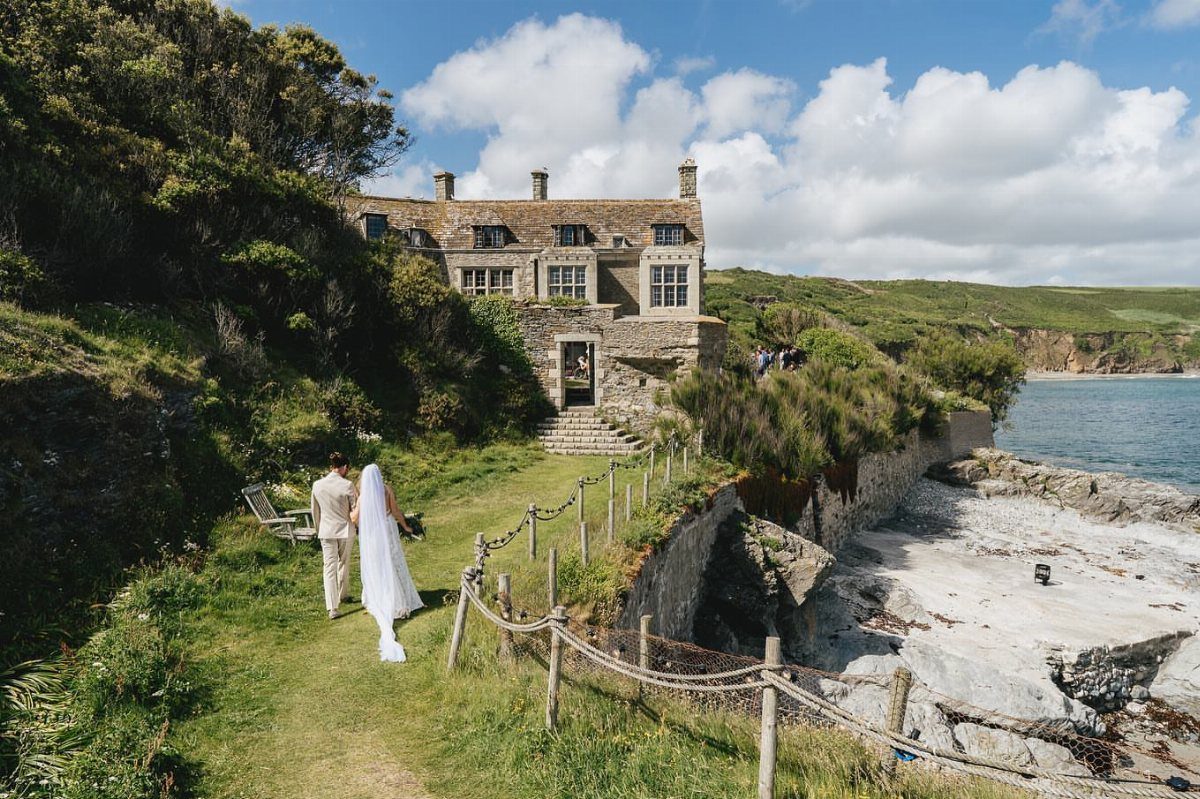
Old stone changes a coastal wedding more than any decoration can. A historic house on a grassy cliff brings texture, age and a built-in backdrop before you have rented a single chair.
For a couple on a real budget, that matters: you pay for the site and add less. I would keep the styling light so the stonework and the ocean view carry the look.
Check early what the property allows for amplified music, caterers and guest capacity, because older buildings often have tighter rules than modern venues.
3. Intimate Venue Options
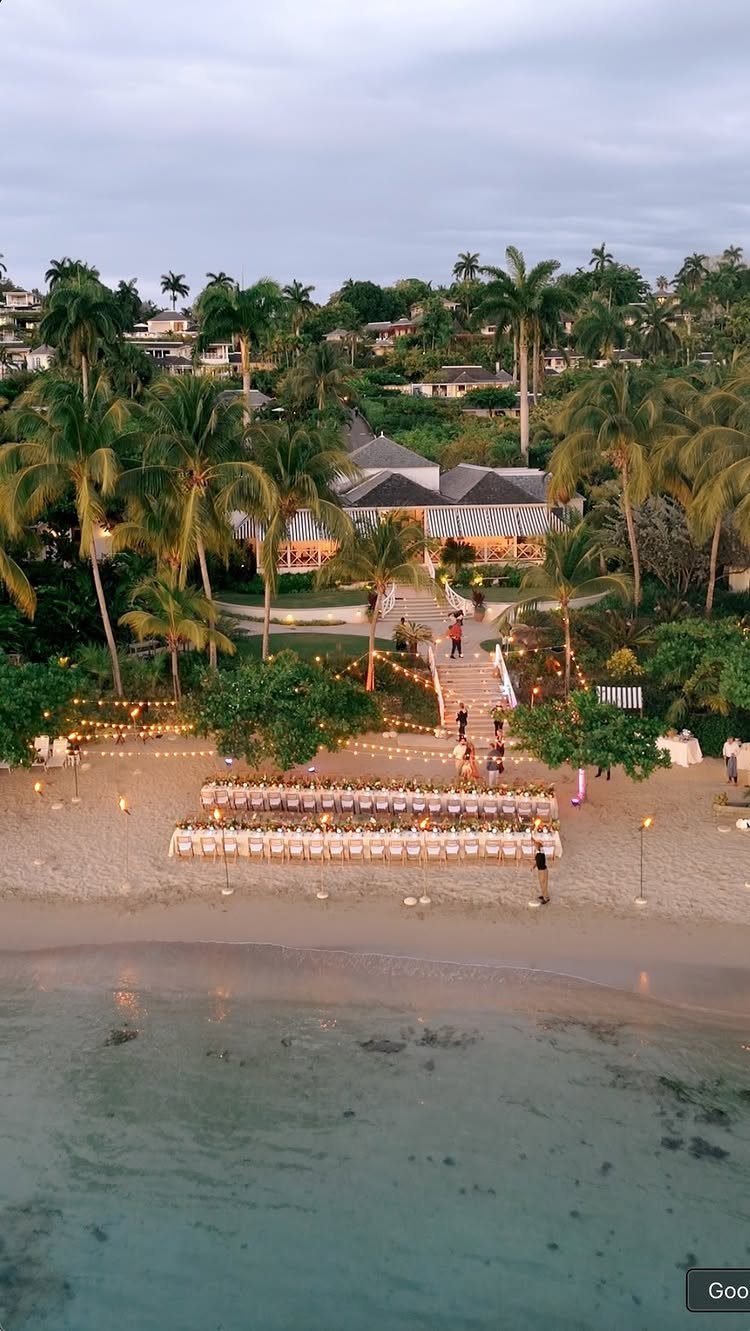
Small weddings suit small spaces, and a beach house with a stretch of sand fits a short guest list better than any hotel ballroom.
Cutting the guest count is the cheapest way to afford a better location. I would rather host a small group at a place I love than a big crowd at one I tolerate.
Keep the list honest before you book, since a house-scale venue cannot stretch.
4. Luxury Beach Venues
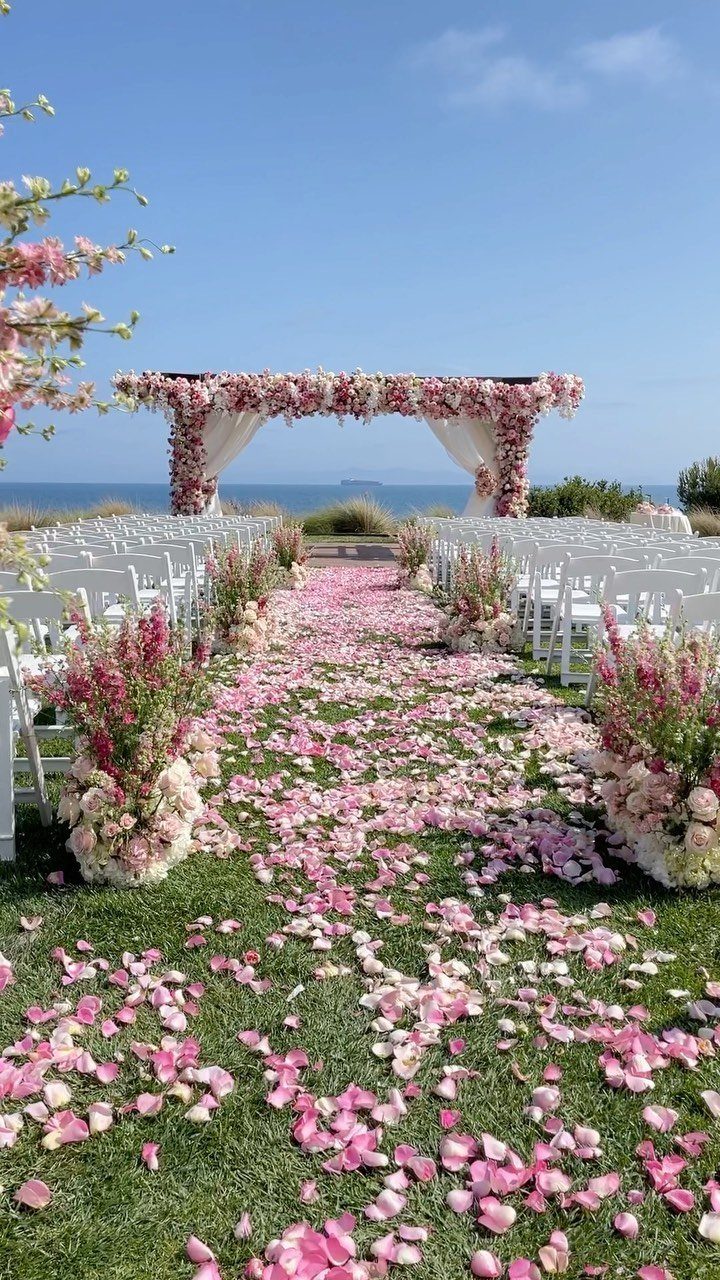
Petals down the aisle and a full floral arch signal a high-end ceremony, and a color that contrasts with the sand and water will read well from every row.
Luxury venues usually bundle services such as setup, staffing and coordination. That is where the money goes, so ask exactly what the package covers before comparing prices.
I would spend on the arch and skip extra decor elsewhere. The ocean already fills the space behind it.
5. Destination Weddings
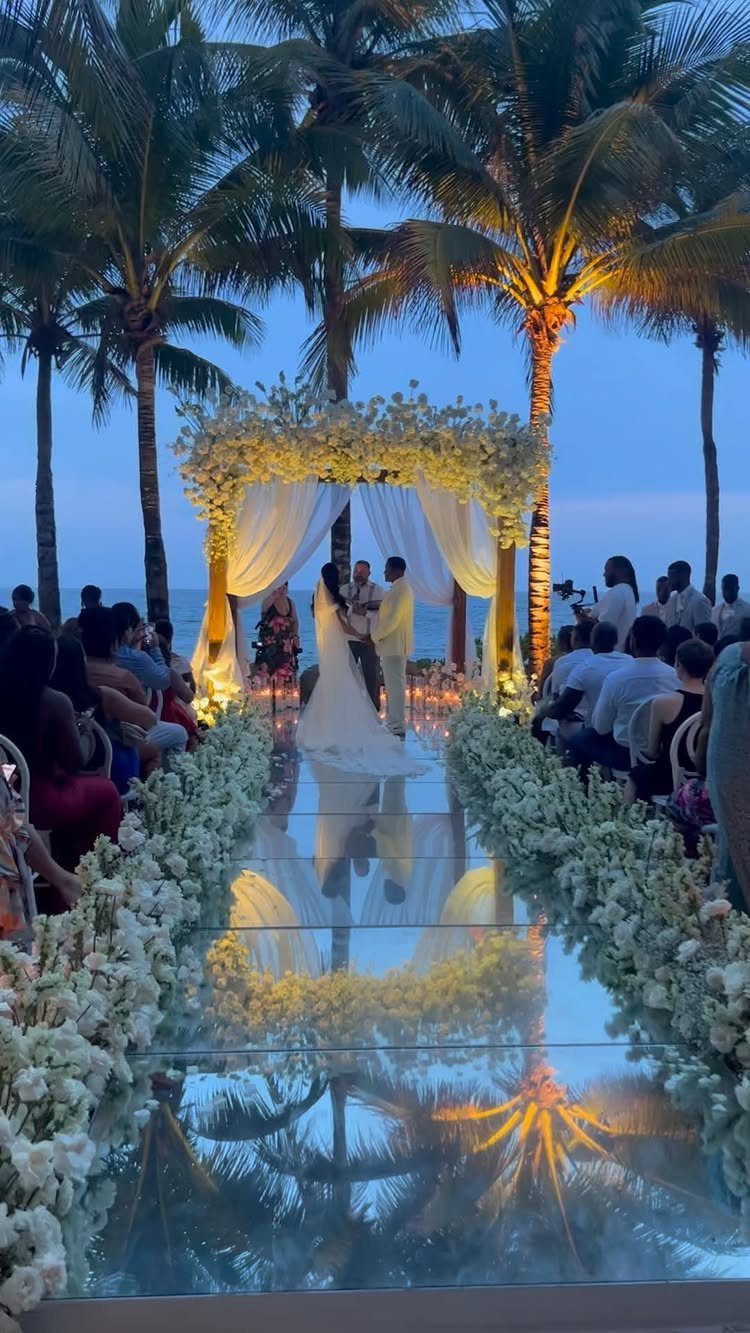
Marrying at a beach far from home means guests choose to travel, so your list shrinks on its own. That can help a tight budget.
If the venue can supply it, you skip hauling decor.
Book the date early, tell guests well ahead, and expect some relatives to decline. I would accept that trade for the setting.
6. Beach Wedding Themes
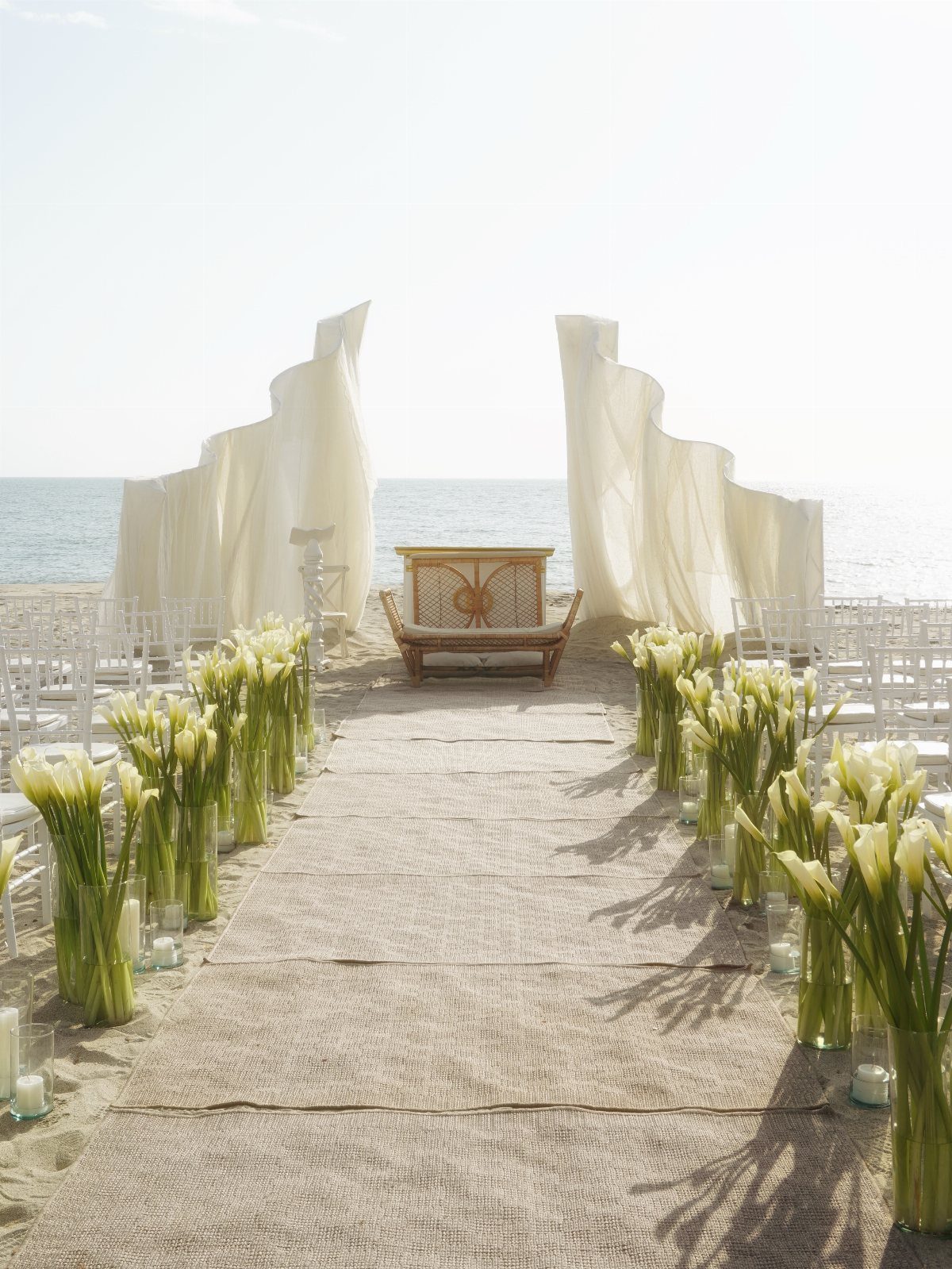
Burlap underfoot, white tulips on the chairs and loose white drapery behind the altar: a beach theme works best when it stays to two or three materials.
Draped fabric moves with the breeze, which looks lovely and also tells you to weight it. A wicker bench is a simple, low-cost piece to add.
For attire, I would echo the same restraint. Light fabrics and neutral tones fit the setting without turning the day into a costume.
7. Photography Opportunities
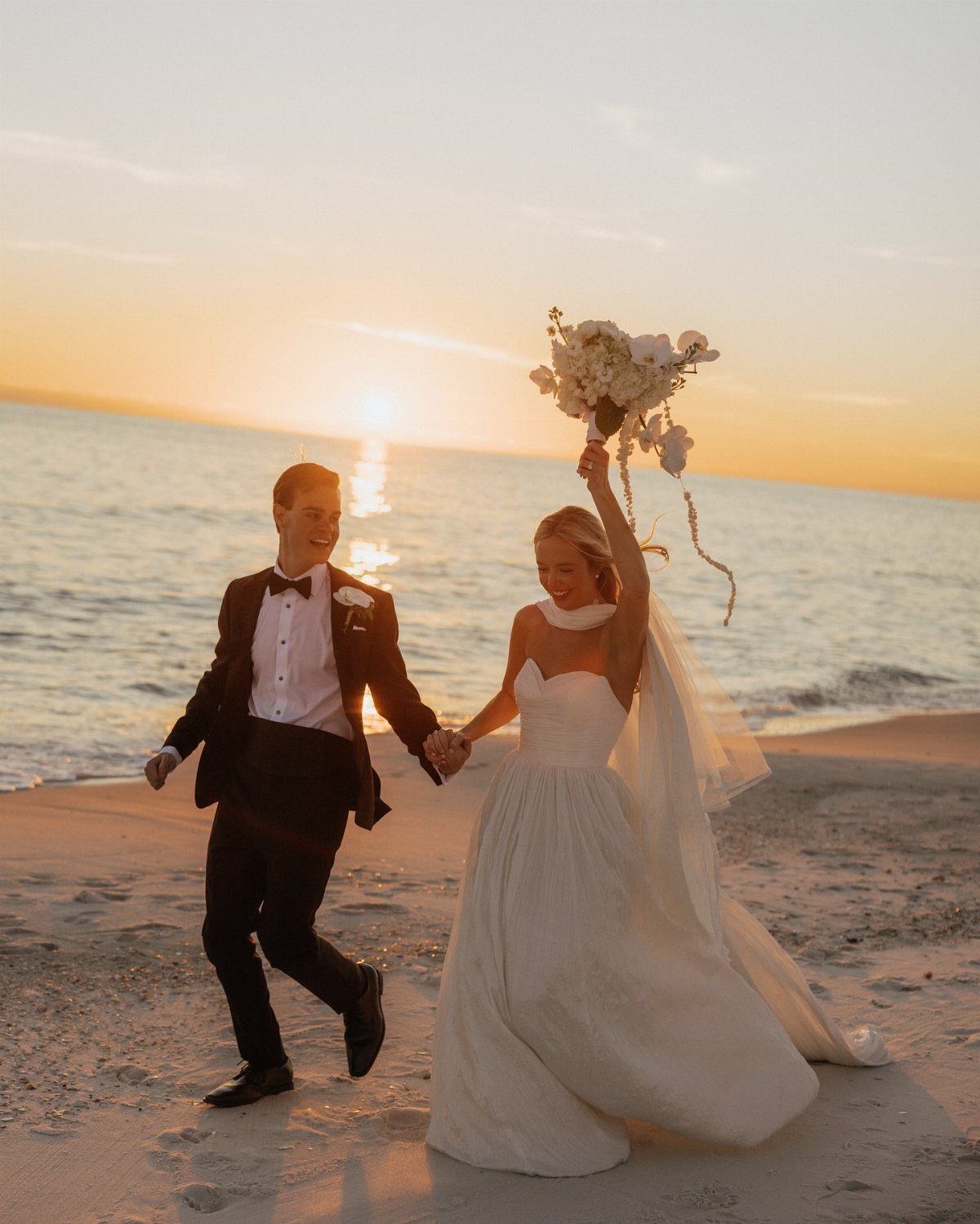
A beach gives a photographer open sky, flat light on the water and a long stretch of sand to move through, so the couple can hold hands and walk or run without a crowd in frame.
I would keep a little of the schedule free for this. Sunset portraits want unhurried time, and a bouquet held high catches the wind and the eye.
Plan the portraits around the light, and tell your photographer the beach is the main backdrop.
8. Oceanfront Terrace Reception
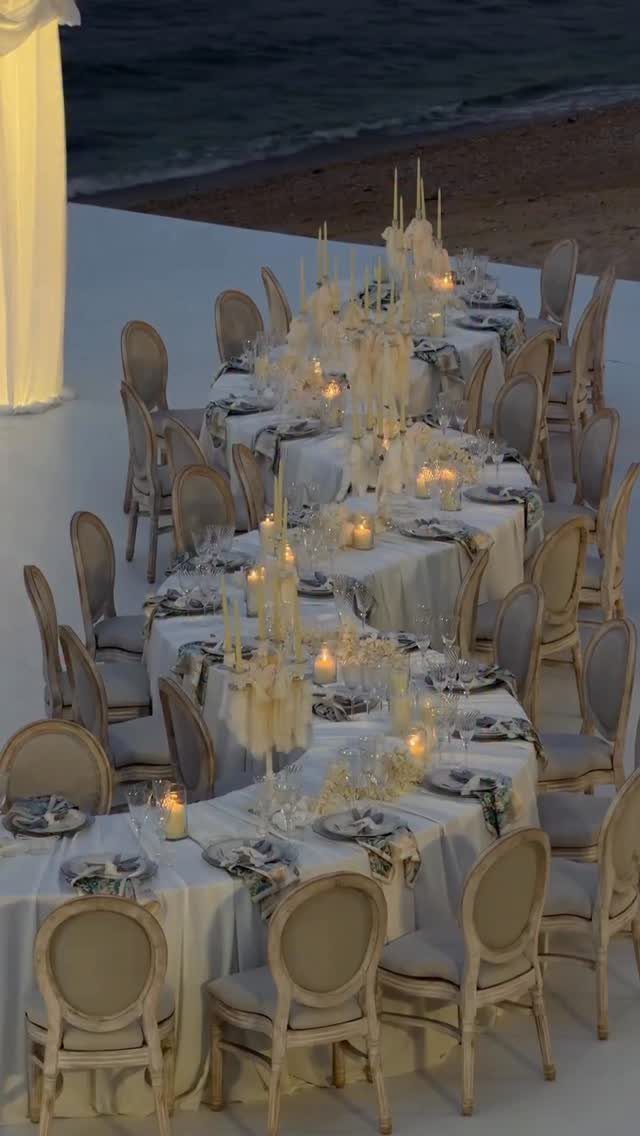
Dinner on a terrace above the water gives you a view without sand in the shoes or in the food. Long tables, white linens and tall candles do the work, so the setting needs little else.
Candles are cheap next to a full decor package, and I would spend on those and good linens. Dusk is the moment to aim for, when the sea goes dim and the flames start to show.
Ask the venue about wind, since open terraces can blow candles out.
9. Sand Beach Dining Setup

Tables set straight on white sand, with palm trees overhead and turquoise water beyond, make the most relaxed reception style at any beach venue, and the setting asks for almost no styling.
I would keep the furniture simple and dark so it reads clearly against the pale sand. Umbrellas add shade, which guests will appreciate in full sun.
Check with the venue or the local beach rules about permission to set tables on the sand before you plan anything else.
10. Rustic Beachside Chapel Setting
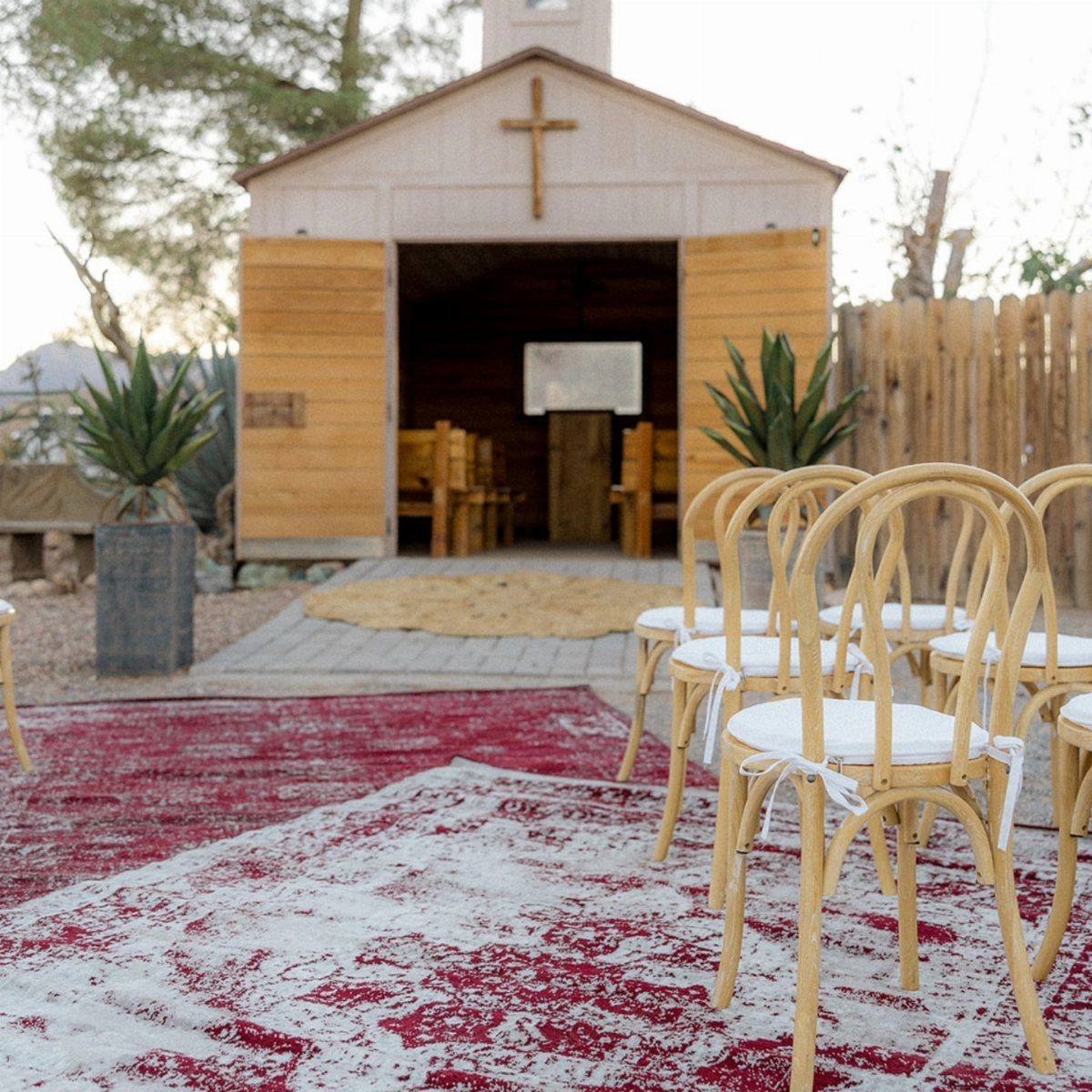
A small wooden chapel on the sand lets the ceremony happen in a built structure, which feels more settled than an arch alone. Open doors frame the aisle and the rows of chairs face them.
Rugs laid over the sand give guests steadier footing, and cushions on wooden chairs add comfort for a longer ceremony. I like this look because the rustic wood needs little decoration.
Keep the guest count to what the rows can seat.
Logistical Considerations
Moving guests between a beach and a second location is where timelines break. Book a shuttle or set up carpools, and tell people which one they are getting before the day.
Beach ceremonies for larger groups often require a permit, so check the local rules early; the answer can change your date or your headcount.
Guests need easy-to-follow directions and a note on what to wear, so tuck both into the invitation suite where nobody can miss them. Guests who know about sand and wind arrive in the right shoes.
Set the ceremony time around golden hour on the sand. Then the twilight can belong to the reception indoors.
Vendor Coordination
Keeping every event in one place saves more than money. A rehearsal dinner, the wedding and a farewell brunch within reach of the gulf and historic downtown means fewer shuttles to book and fewer vendors to brief.
I would price that against splitting events across several sites. One location usually wins on logistics, even if a single line item looks higher.
Guest Experience
After a beach ceremony, guests want relief from sand and sun. A venue with air conditioning, private restrooms and easy parking gives them that, and it matters most for older relatives and anyone in heels.
I would ask about all three before booking. Parking in particular gets overlooked until guests are circling the block in formal clothes.
Frequently Asked Questions
What should couples confirm before booking a beach wedding venue?
Before you sign, pin down 3 things: the top guest count the venue allows, exactly what the package covers, and how far the site sits from the waterline and from the public beach.
Then have all of it written into the contract.
Older buildings often have tighter limits on amplified music, caterers and headcount, so check those early. Parking, air conditioning and private restrooms matter too, because guests want relief after sun and sand.
Do beach wedding venues require permits?
Often yes, especially for larger groups on public beaches. Setting tables on the sand may also need permission from the venue or local beach authorities, so ask before planning anything else.
Do wedding venues require liability insurance?
Many do. With a private venue, find out who holds the coverage, the property owner or you, and get the answer in writing.





